Norway is a Nordic country comprising the western and northernmost parts of
the Scandinavian Peninsula in Northern Europe. Norway is one of
Europe's most sparsely populated countries. With a population of only 5.6
million people and a land area of 385,802 km2 (148,959 sq mi) the population
density is only 15 inhabitants per km². Norway is a land of great
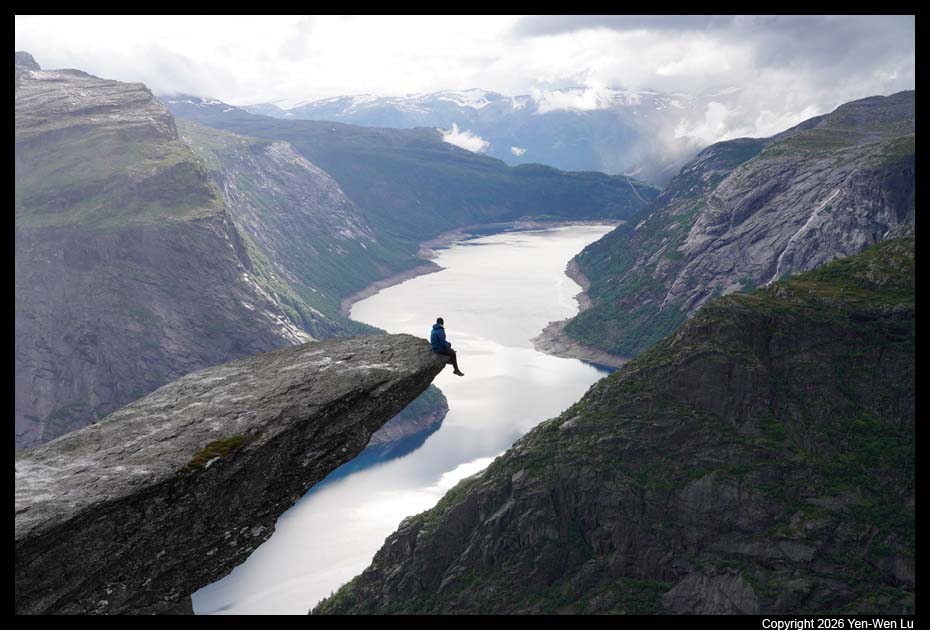
mountains and glaciers, deep coastal fjords and valleys, and wide forests and
gorgeous lakes. It also hosts lively cities such as Oslo and Bergen, and
countless remote villages with rich cultural heritage.
Getting there ...
We had a flight from SFO (2:40PM on 7/25) to Frankfurt (FRA), and from FRA
(1:45PM on 7/26) to Oslo (3:50PM on 7/26). It was quite chaotic when we
were in Frankfurt to enter the Schengen Area (Norway is in Schengen , but not an
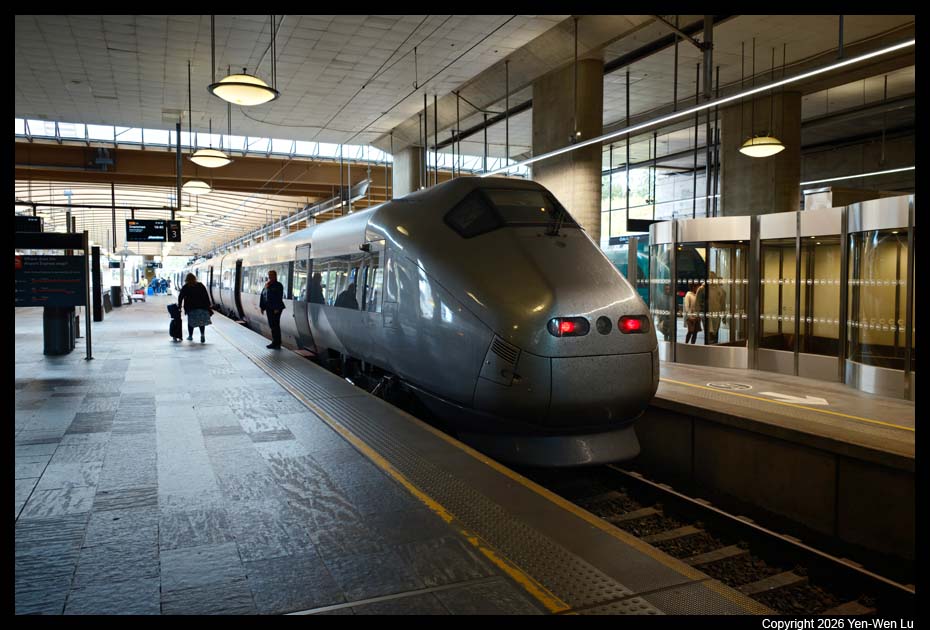
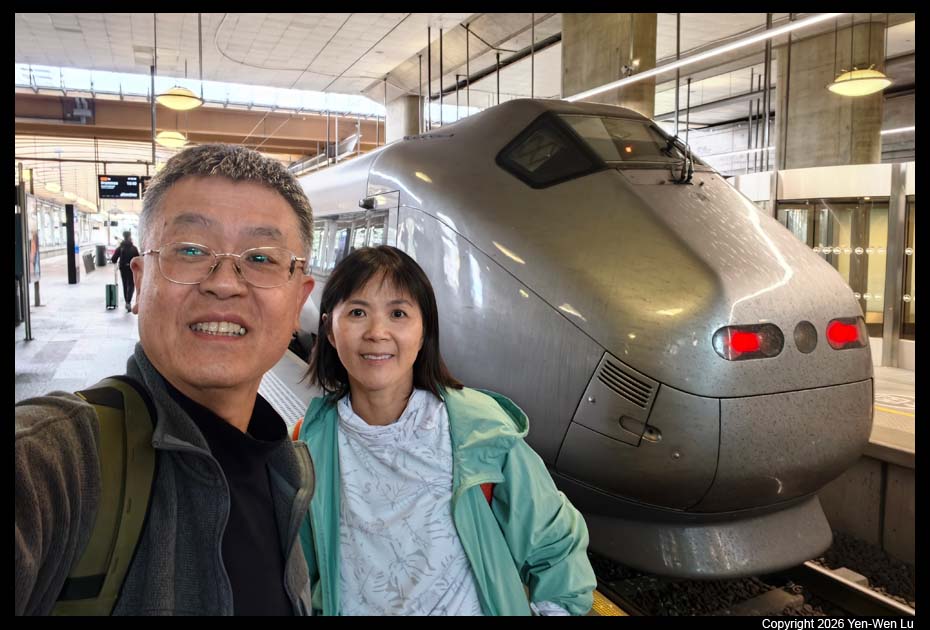
EU member). After arriving in Oslo Airport, it was a smooth 20-minute
train ride (Flytoget Airport Express) to get to the city.
Our Norwegian trip has 3 main parts: 1) Capital City Oslo (3 nights), 2)
Western Norway from Stavanger to Bergen for great
nature and cities (7 nights), and 3) Lofoten Islands
for its dramatic landscape and historical fishing villages (4 nights).
[Oslo] [Stavanger--Bergen]
[Lofoten]
Day 2 (7/26) ...
- Oslo
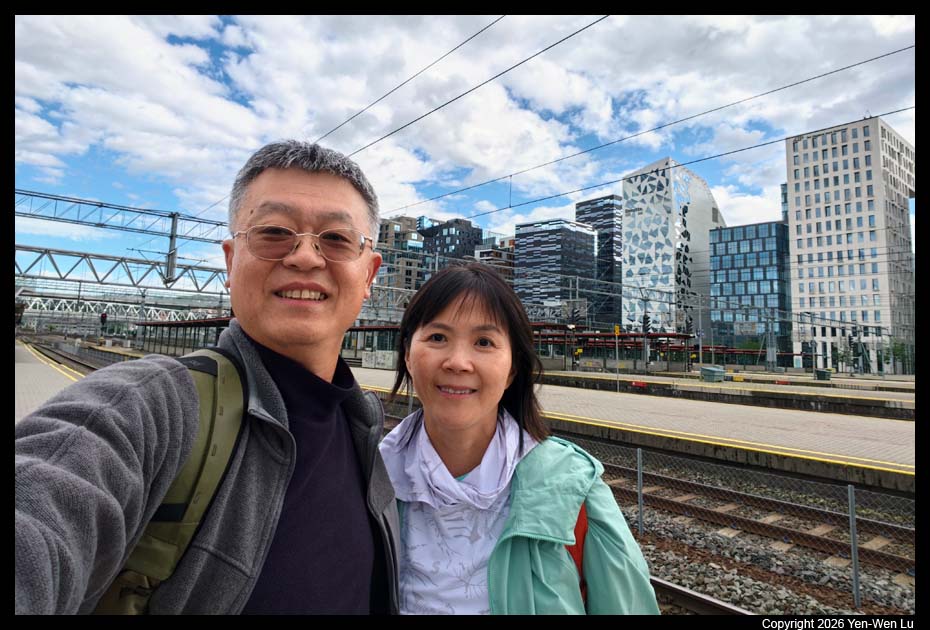
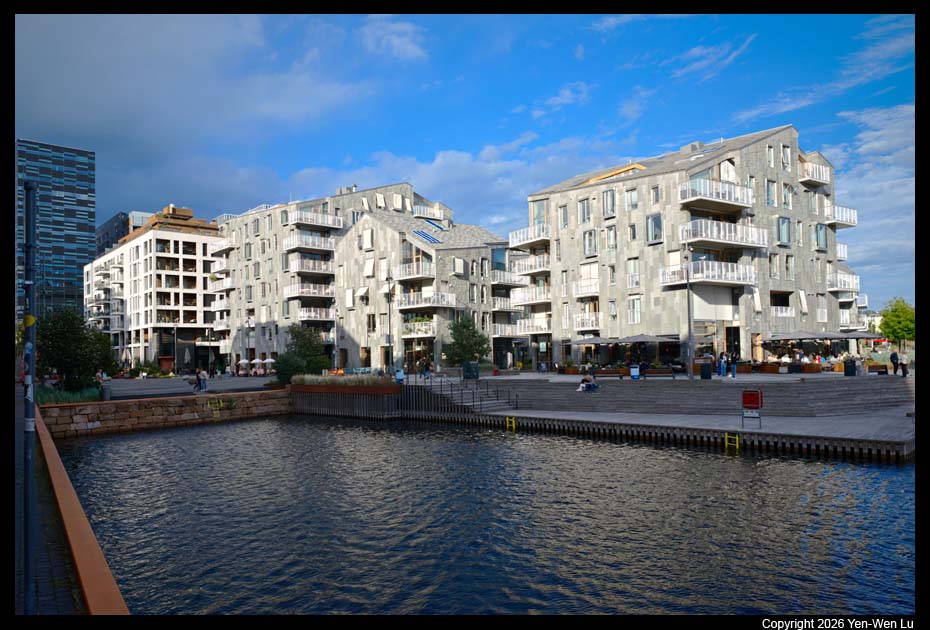
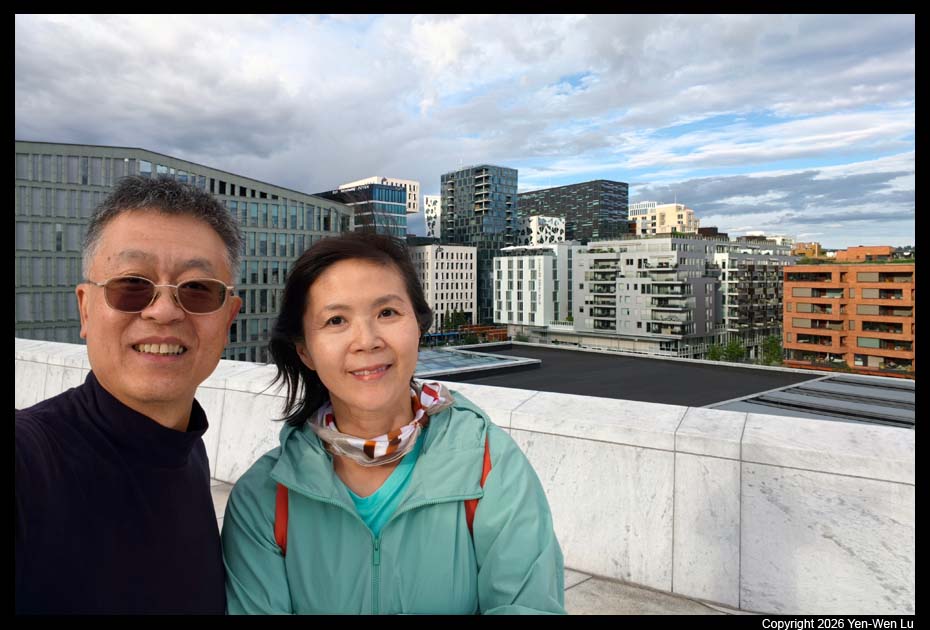
After settled down in our apartment in Oslo in Bjørvika
neighborhood (aka Barcode area, a highly dynamic modern urban district), we
walked around to find something for dinner. Most shops including many
restaurants are closed on Sunday in Norway...
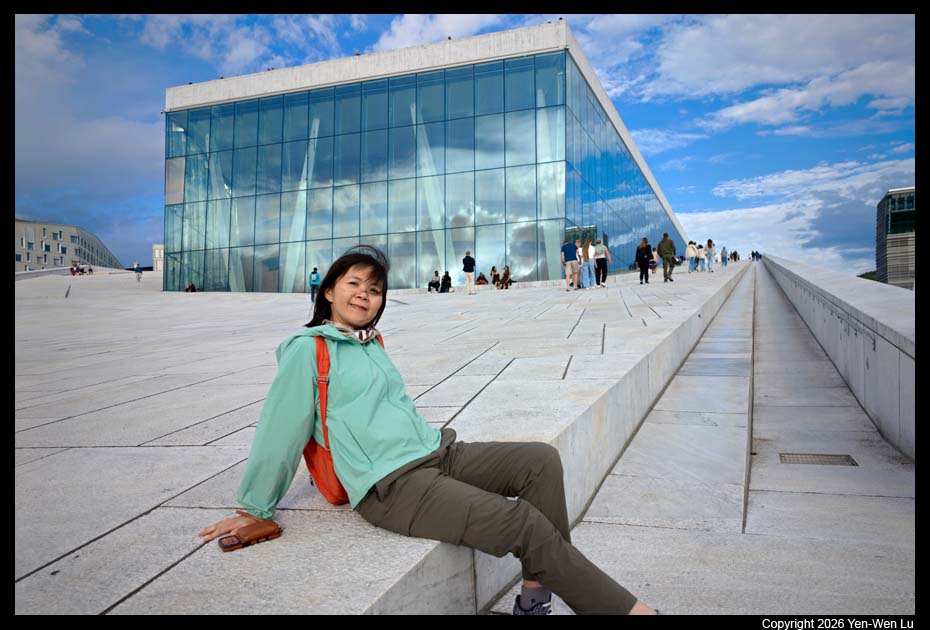
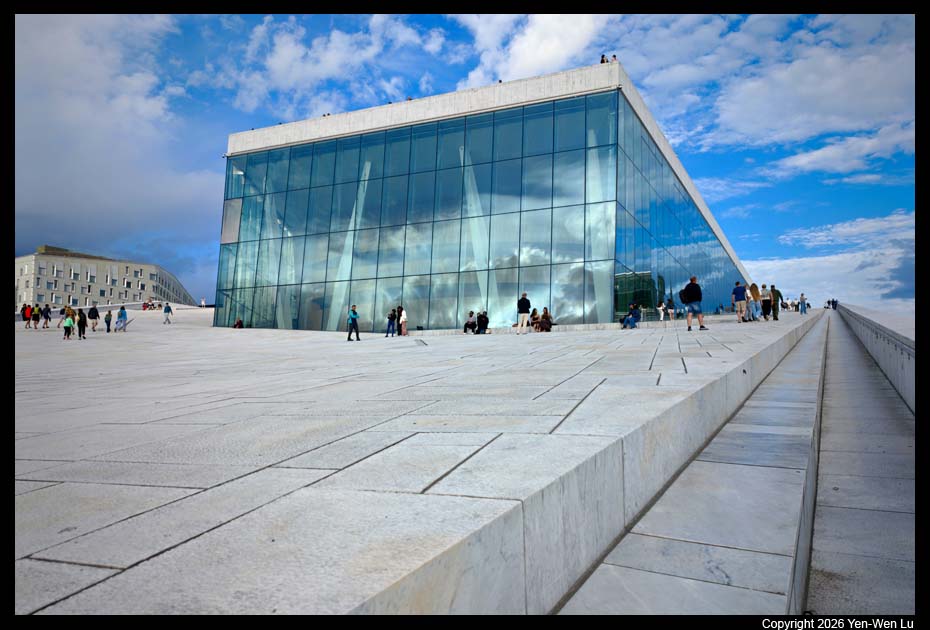
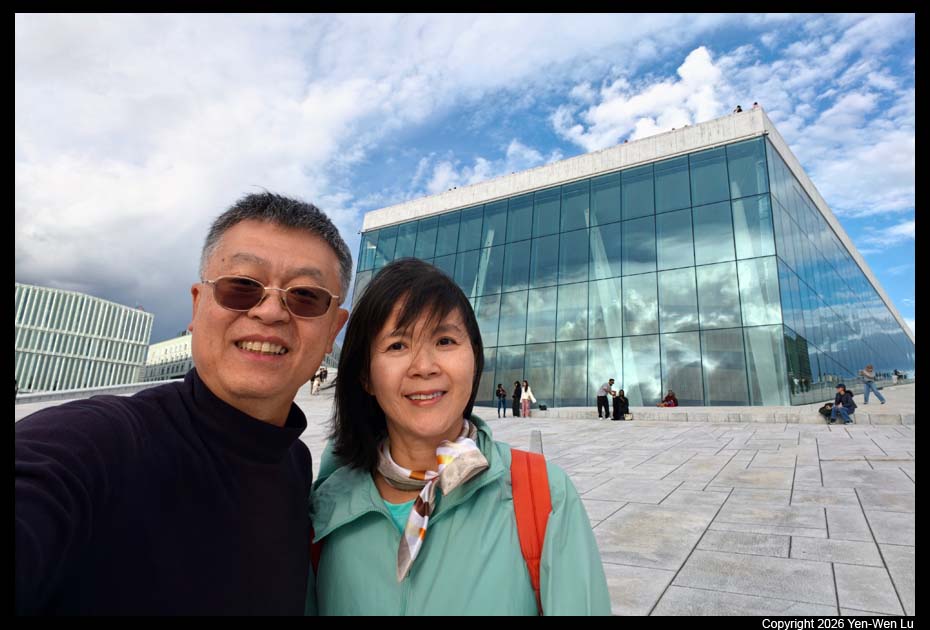
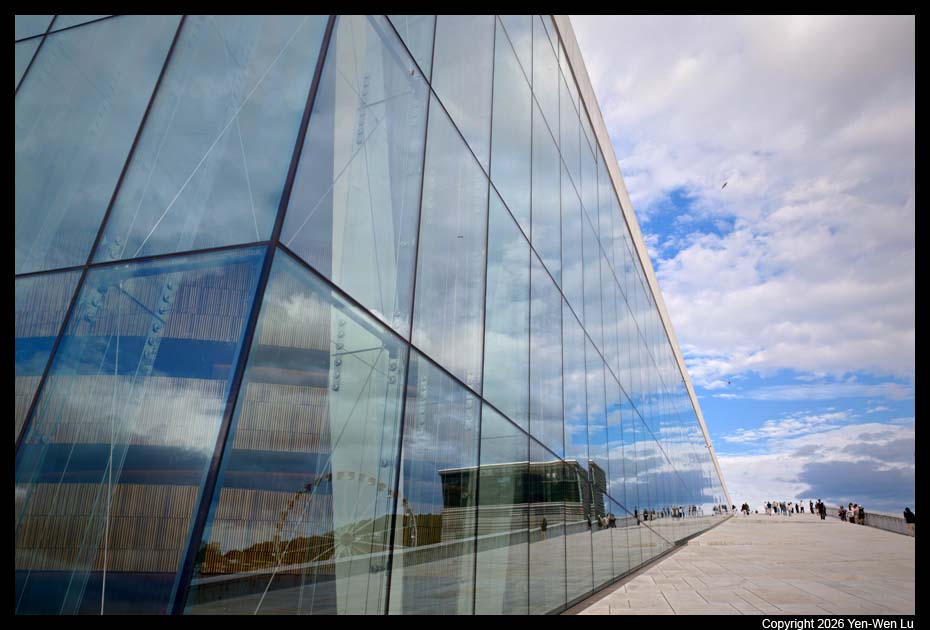
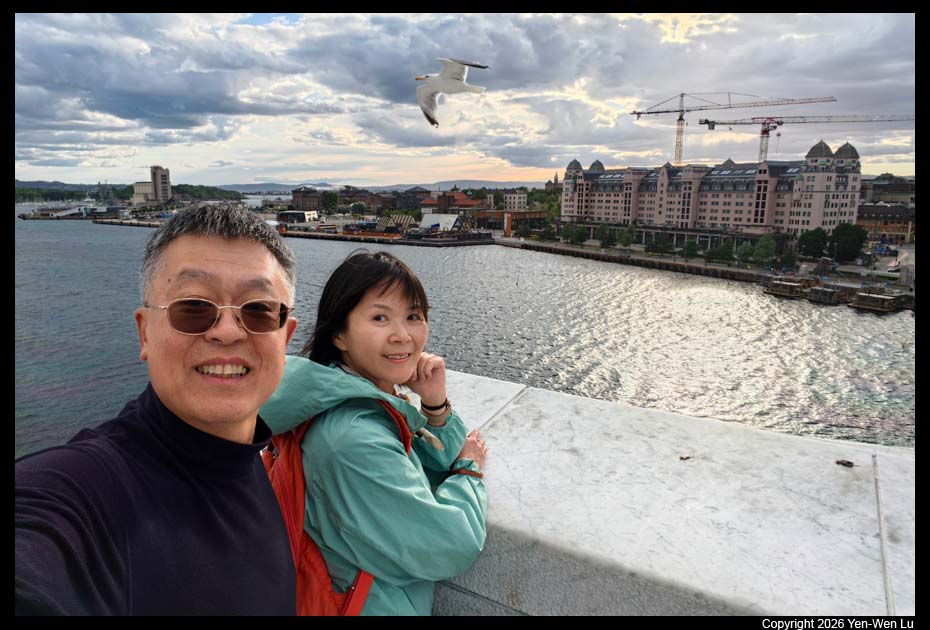
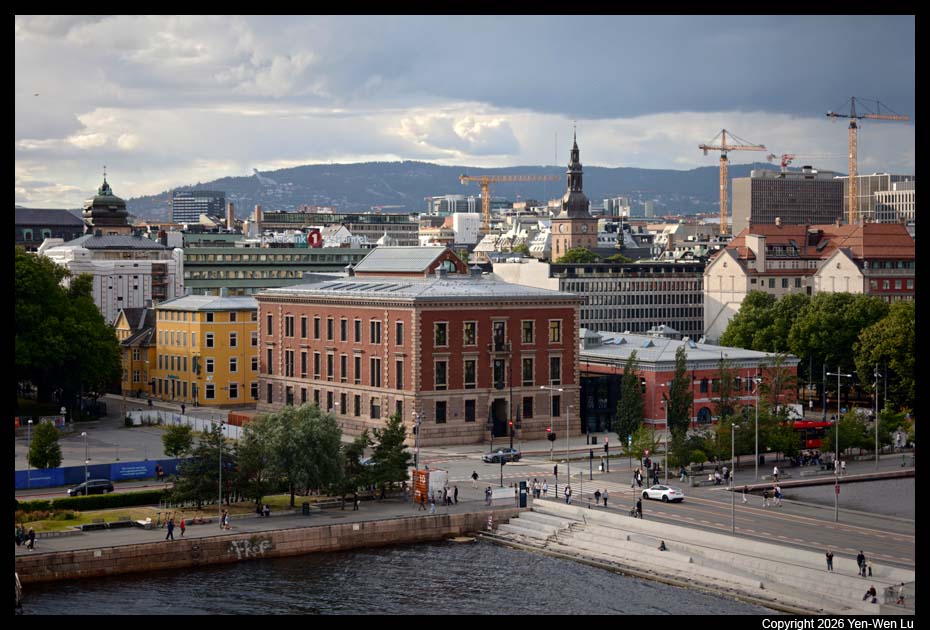
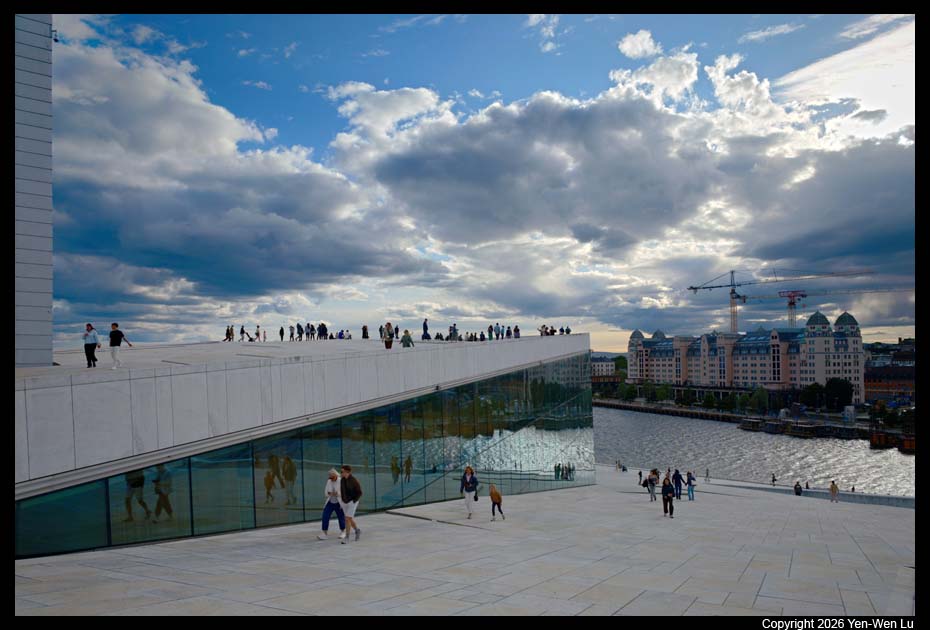
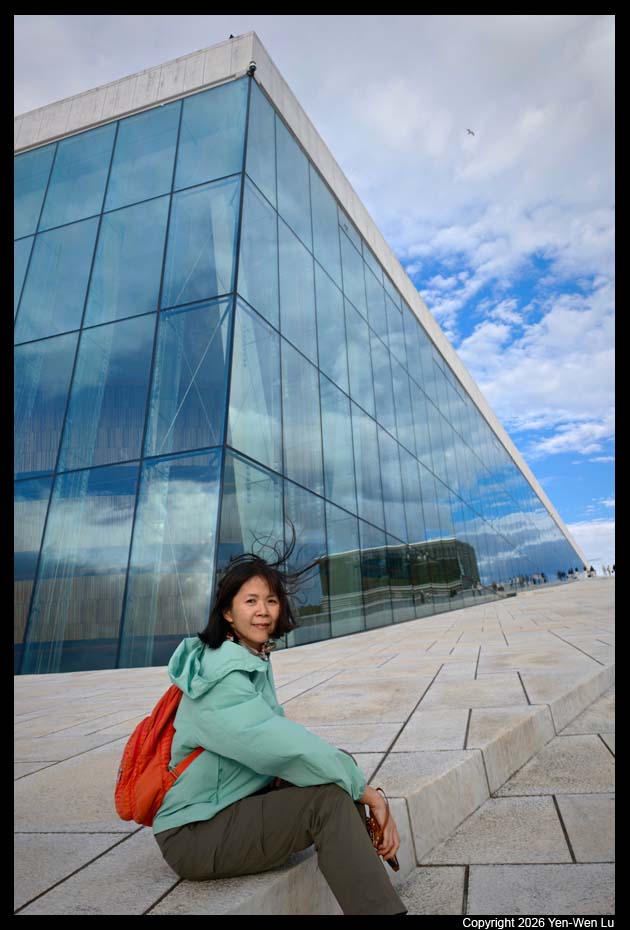
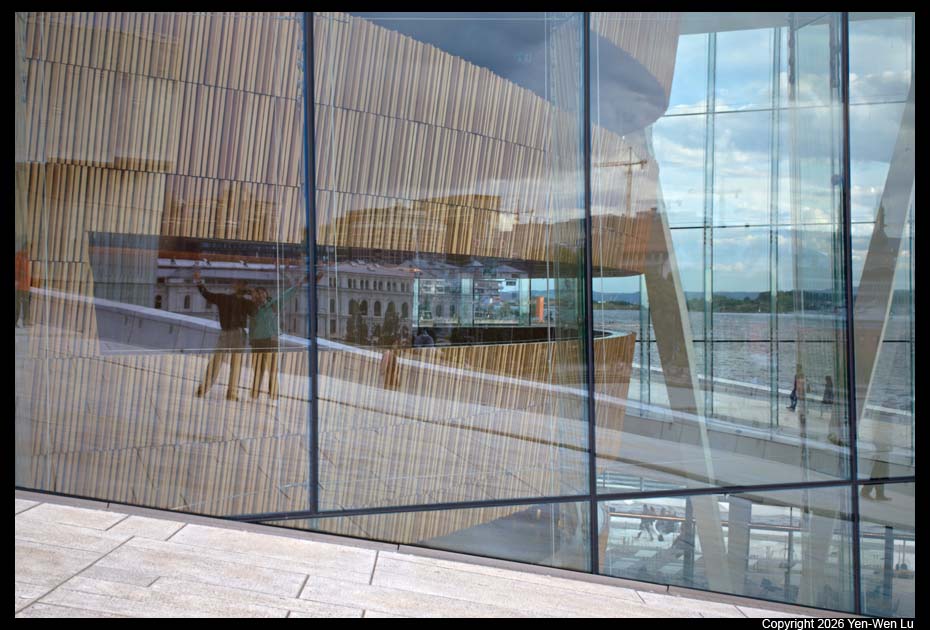
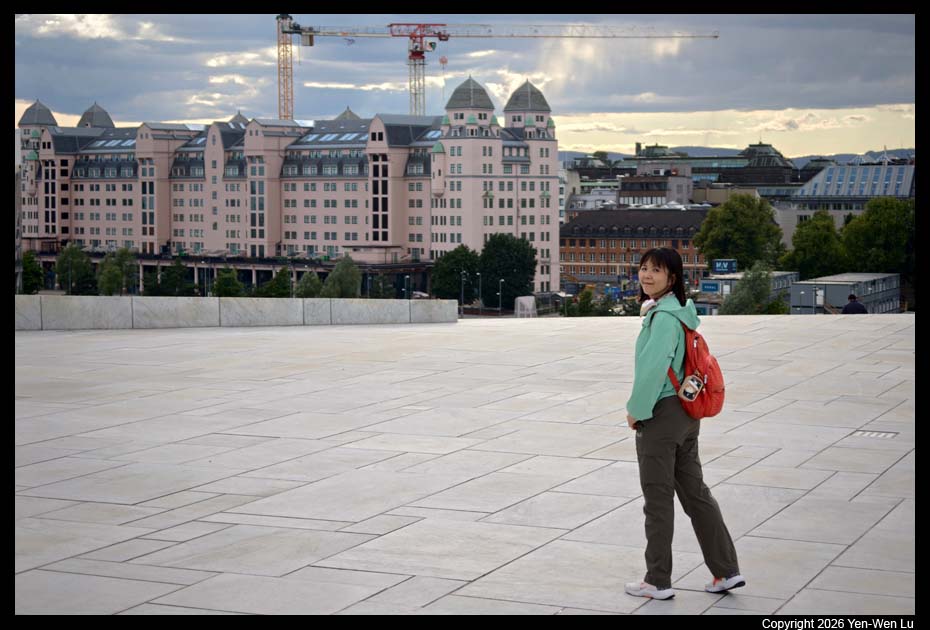
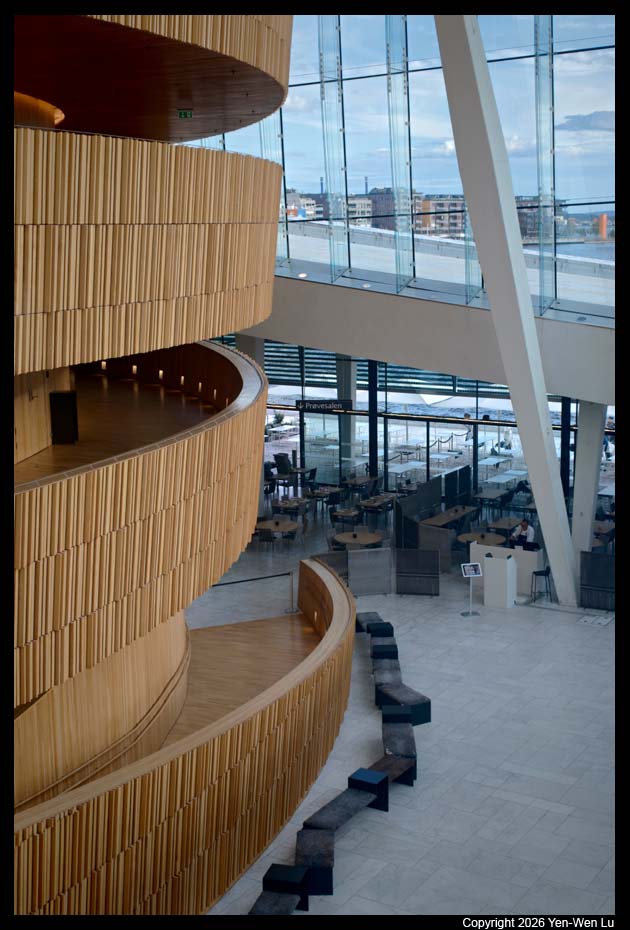
- Oslo Opera House
After a simple Mexican fast food dinner, we walked
to the nearby Oslo Opera House. Construction started in 2003 and was
completed in 2007, the Oslo Opera House is the home of the Norwegian
National Opera and Ballet. It is world-famous for its sloping white
Italian marble roof that allows visitors to walk all the way to the top for
sweeping views of the city and the Oslofjord.
Day 3 (7/27) ...
Oslo is the capital and most populous city of Norway. Oslo was founded
as a city at the end of the Viking Age in 1040 under the name Ánslo. Oslo
is a vibrant metropolis known for its unique blend of modern urban architecture,
rich history, and direct access to pristine nature.
- Akershus Fortress (Akershus Festning)
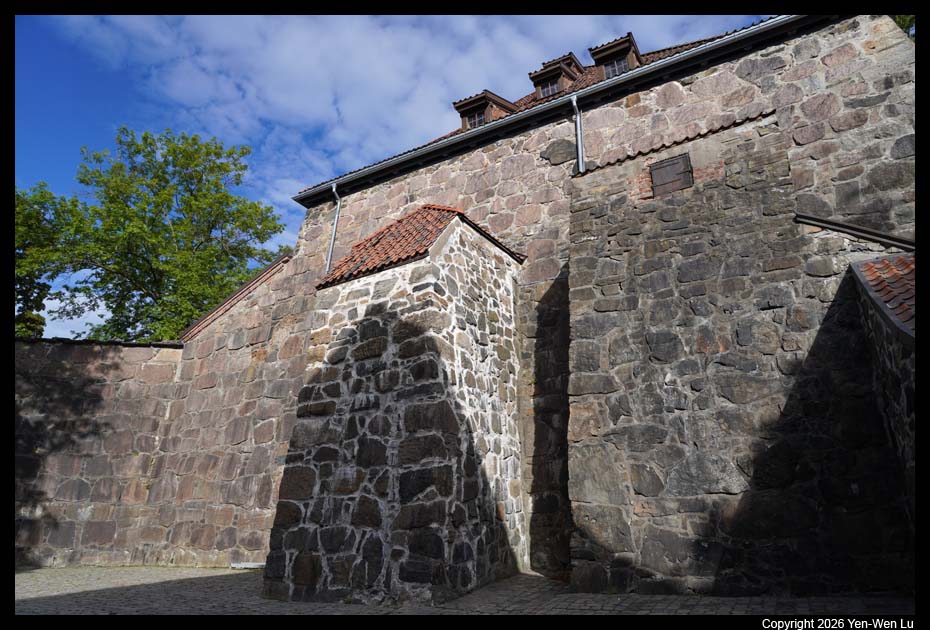
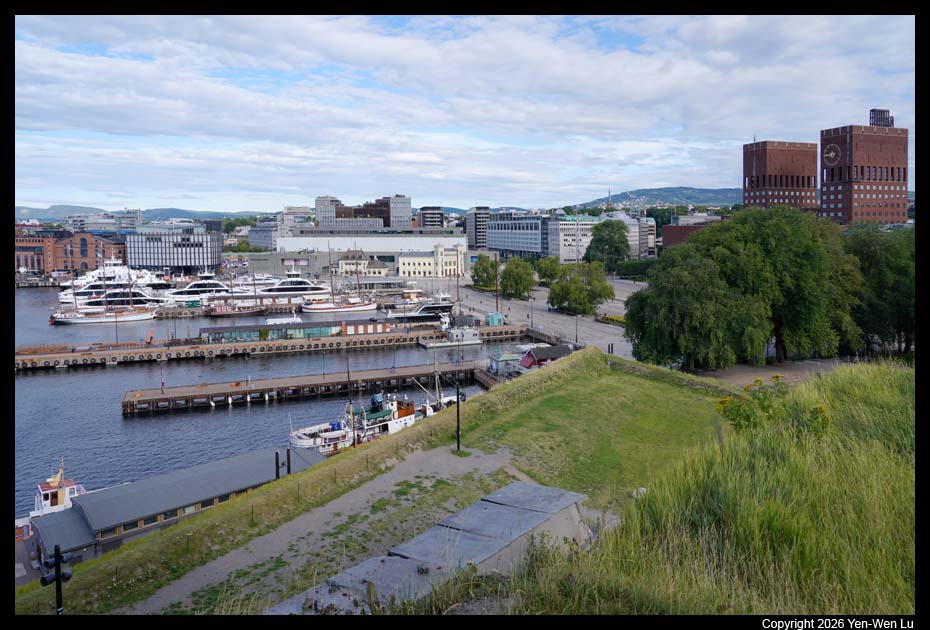
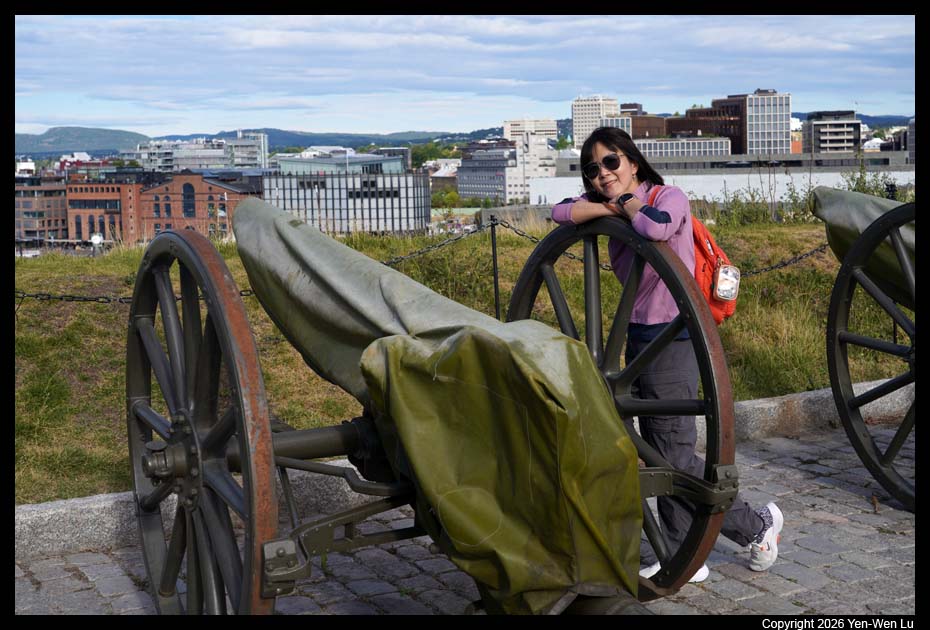
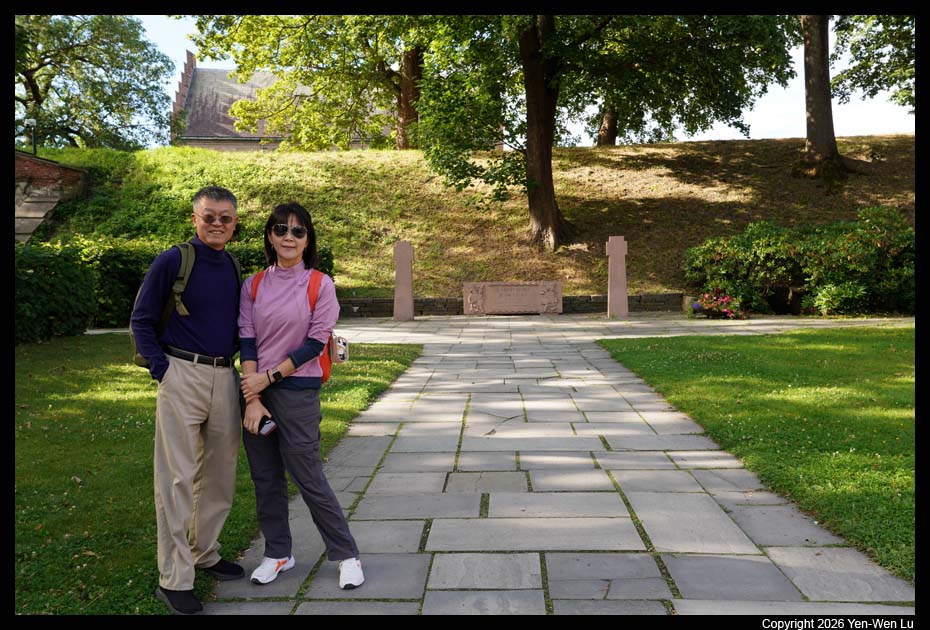
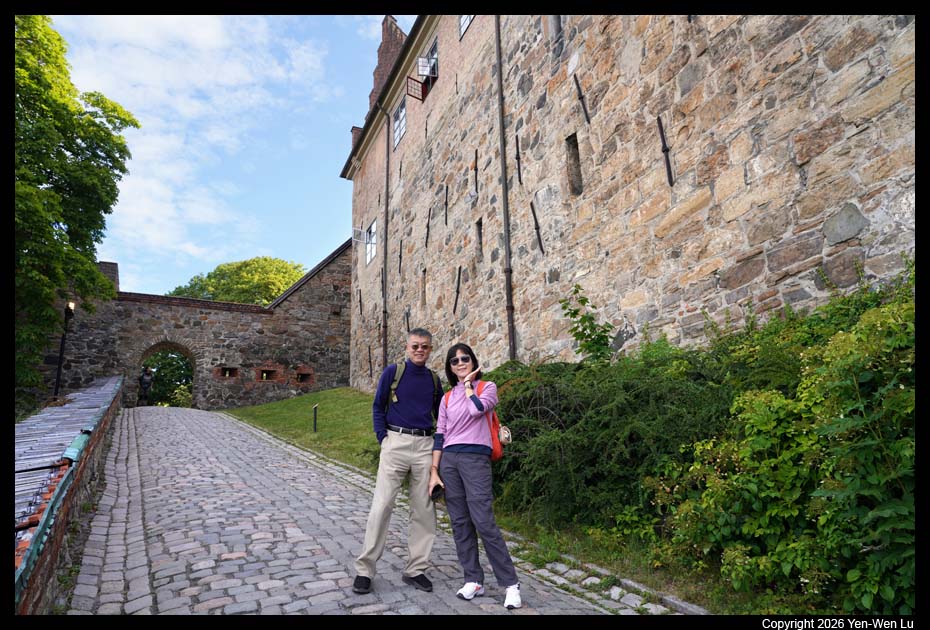
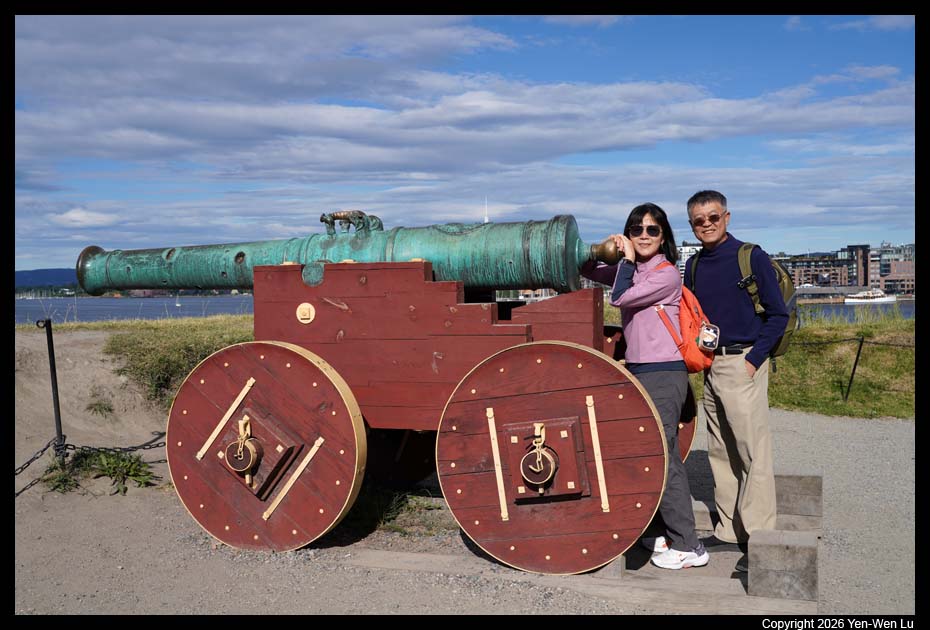
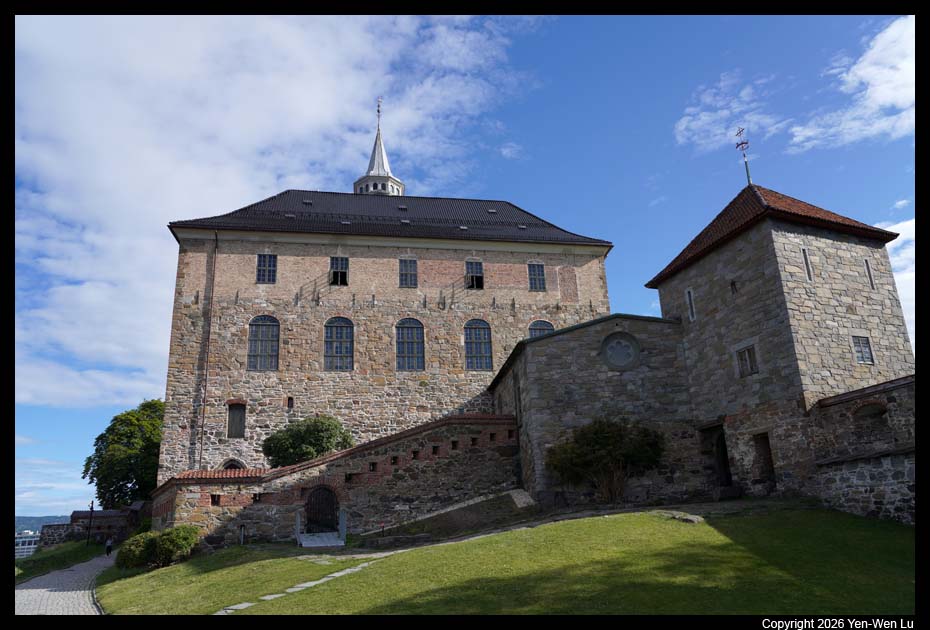
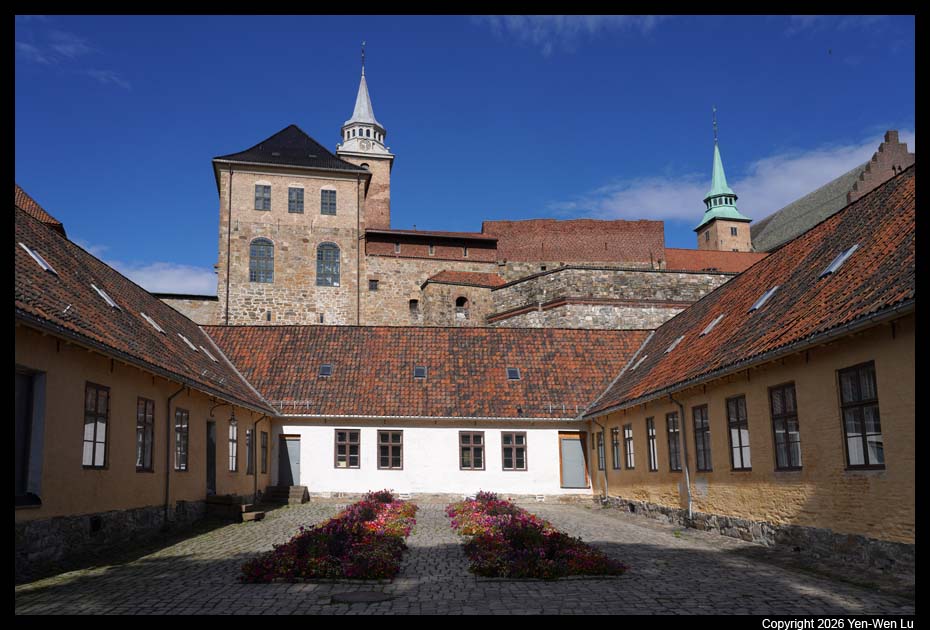
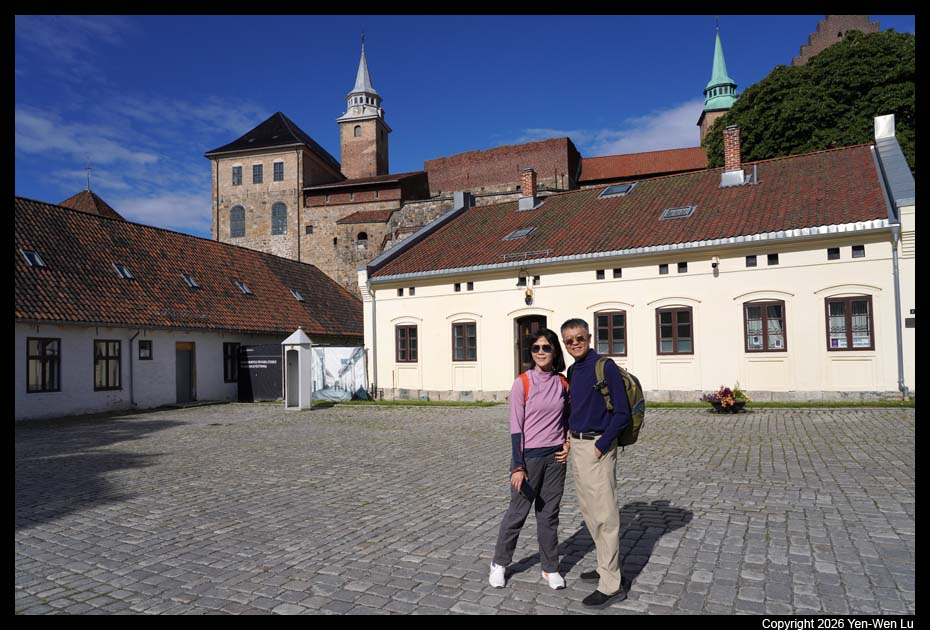
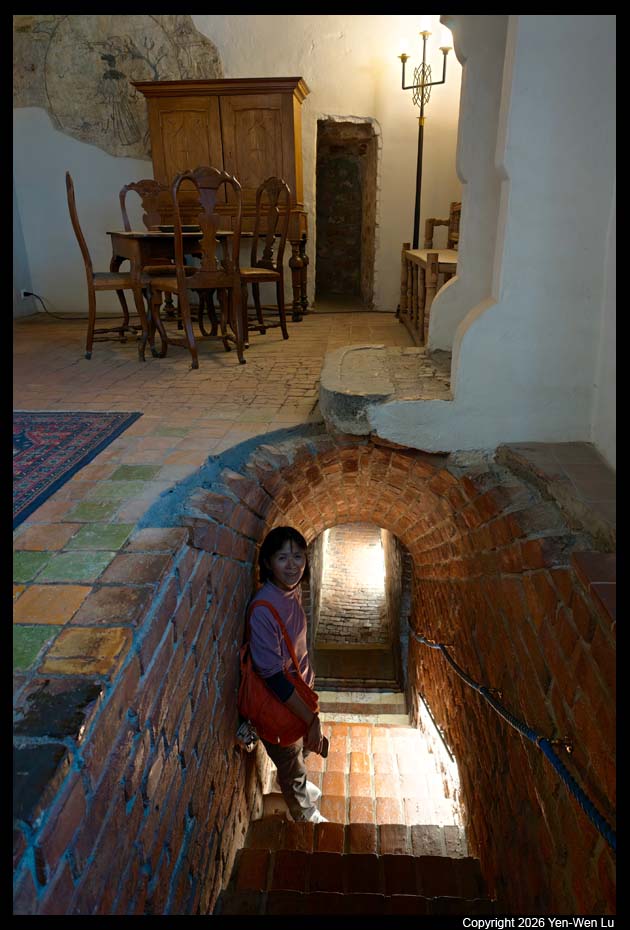
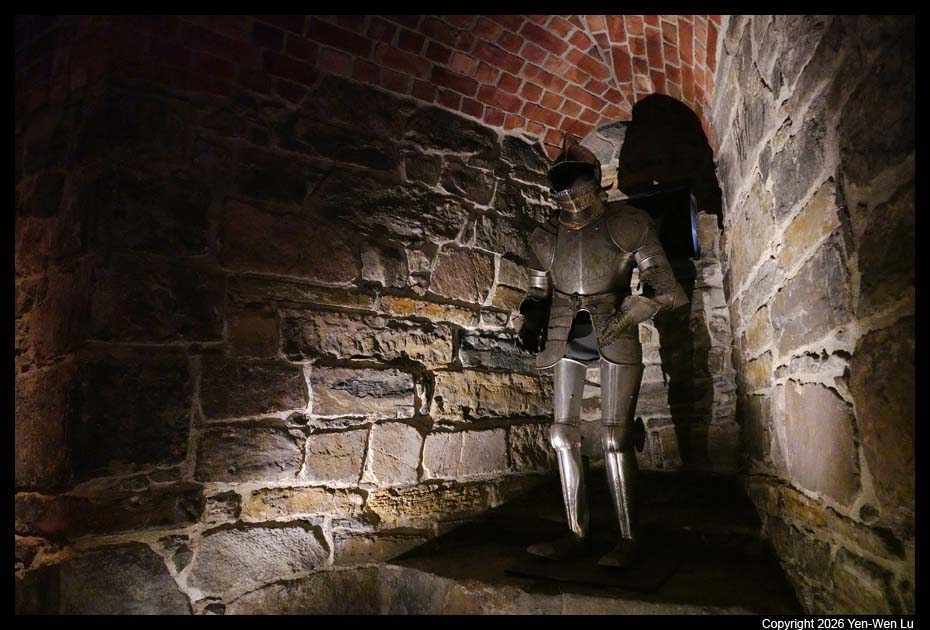
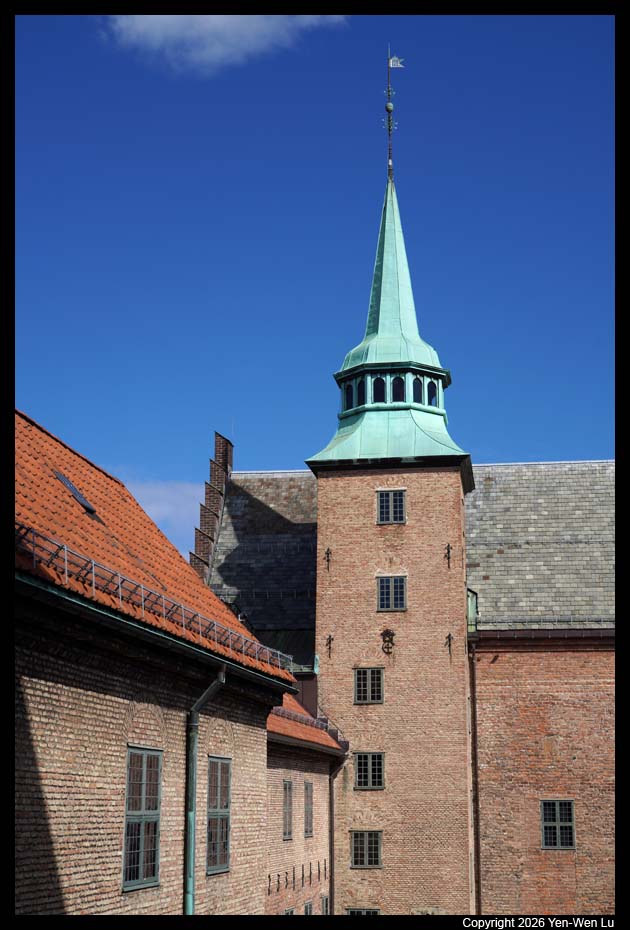
Akershus Fortress is a
medieval castle and military stronghold located on a headland overlooking
the Oslofjord. Built around late 1290s under King Håkon V, it was
constructed to protect Oslo from invaders and has successfully withstood
numerous sieges throughout its history. Although still a military
area, the Akershus Fortress is open to the public between 6:00 and 21:00
daily. This fort contains 2 military museums: Norwegian
Armed Forces Museum and Norway's Resistance Museum.
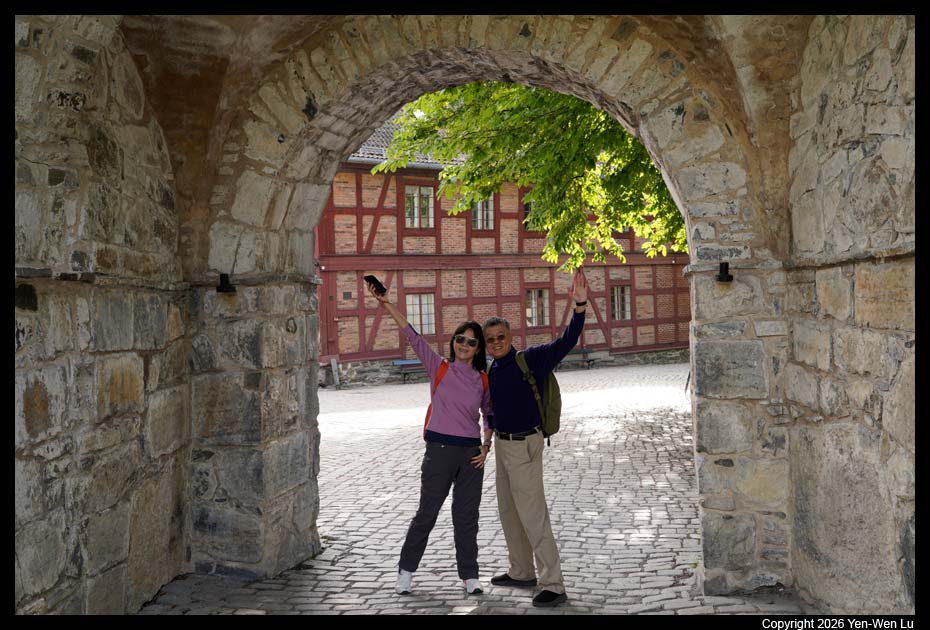
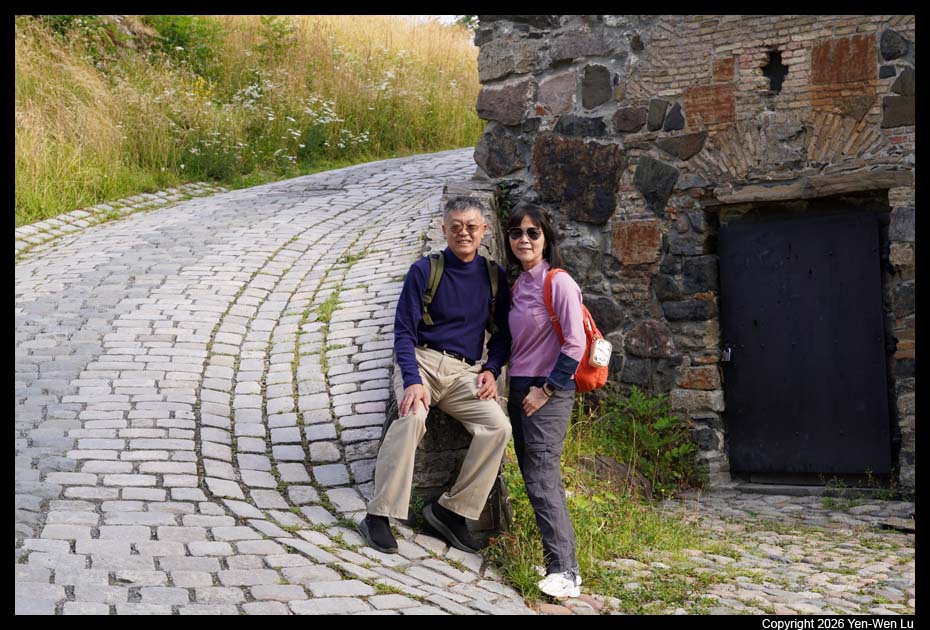
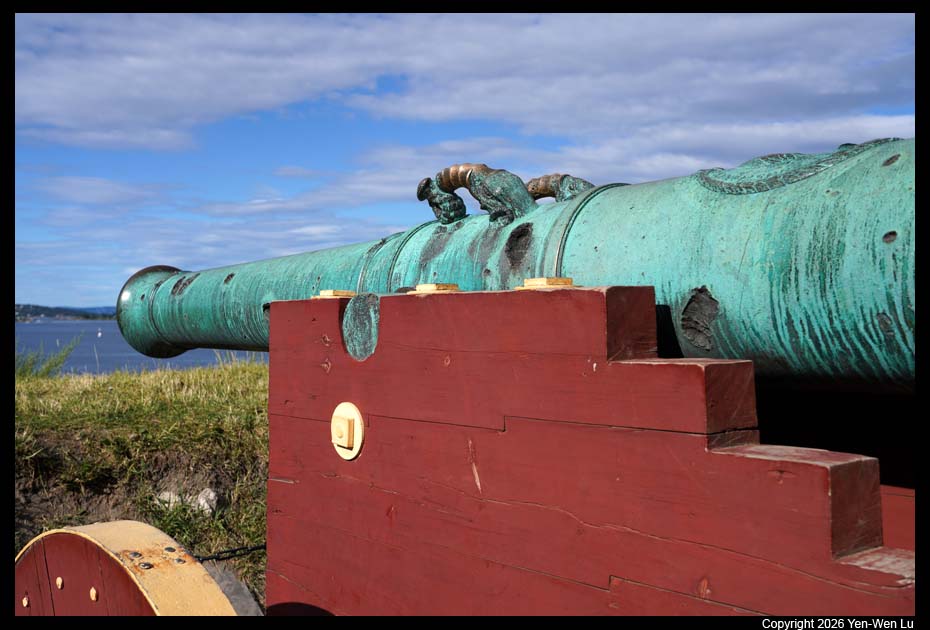
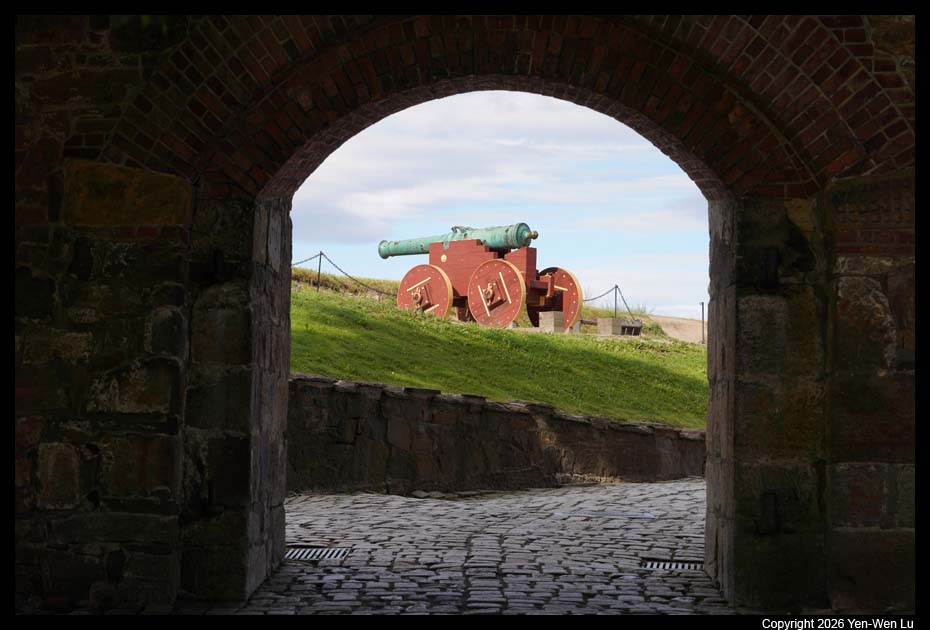
We walked to the
fortress at about 8:30AM before the museums were open and there were no
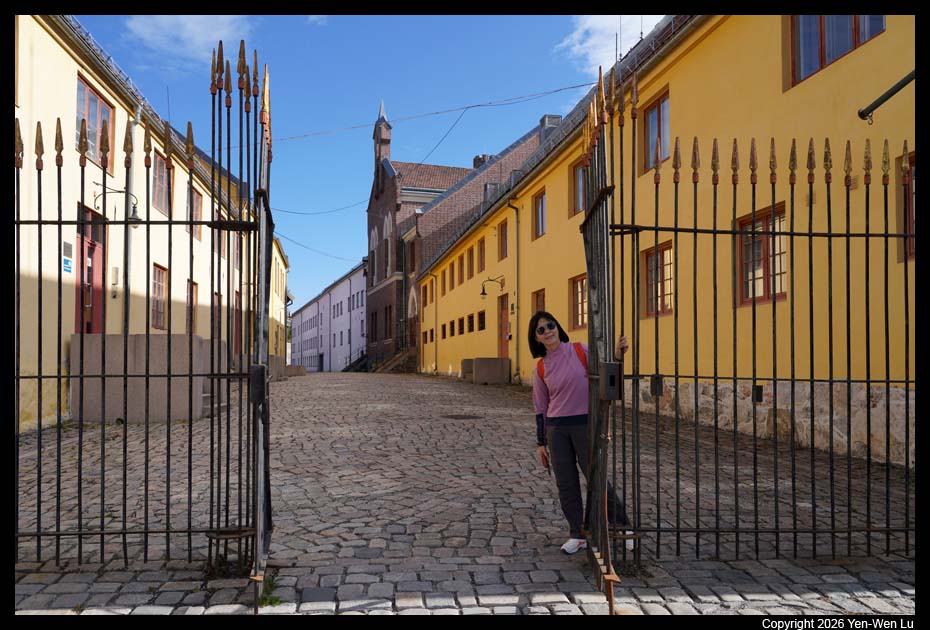
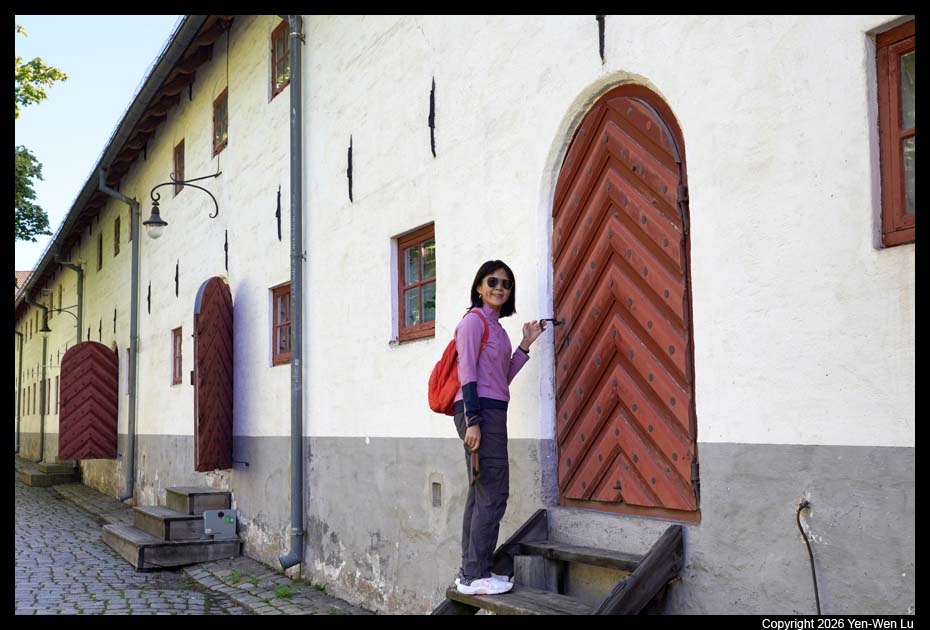
other visitors around. We walked around the fortress ground to take
photos until the museums and castle opened at 10AM.
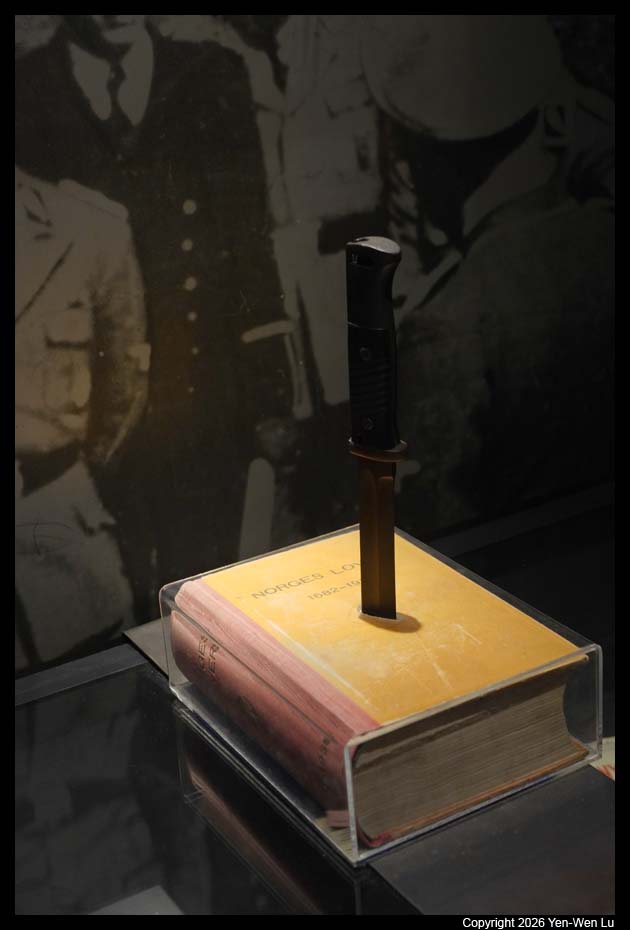
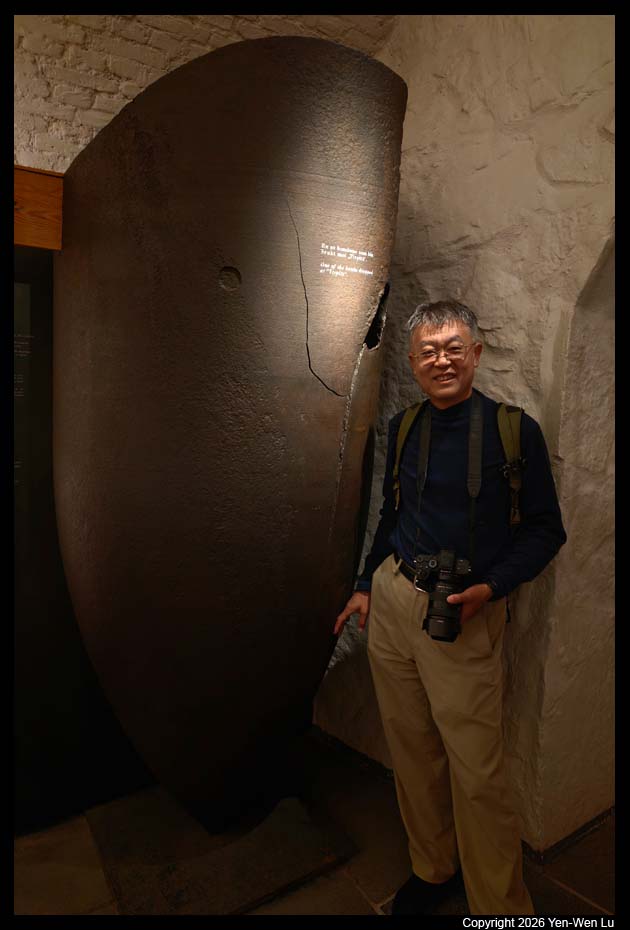
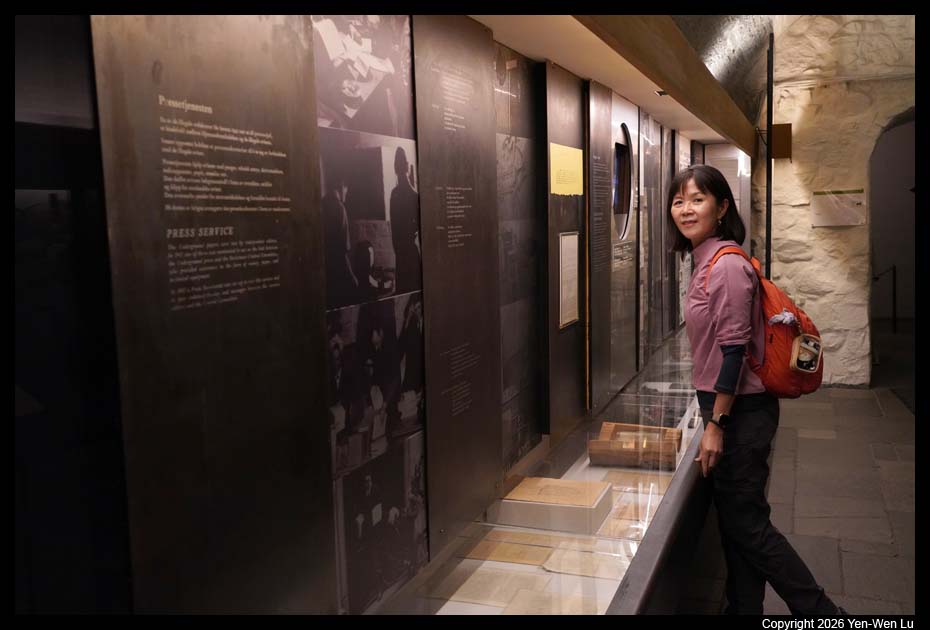
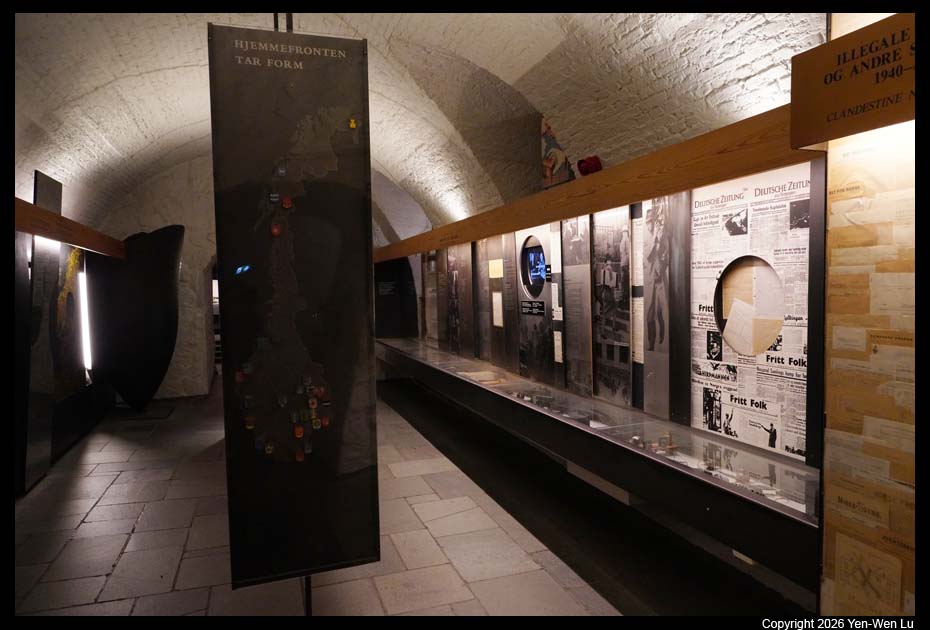
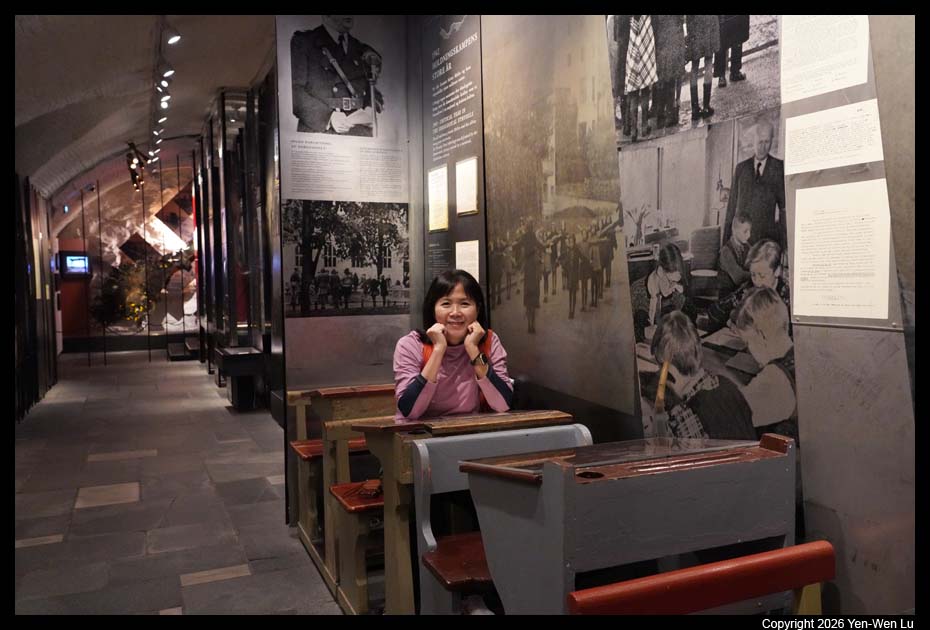
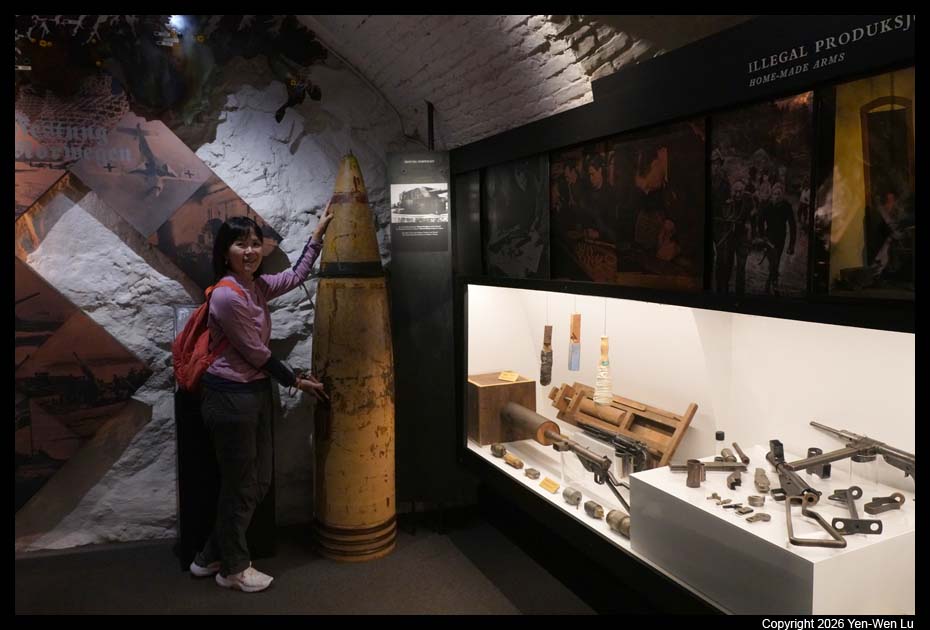
- Norway Resistance Museum (Norges Hjemmefrontmuseum)
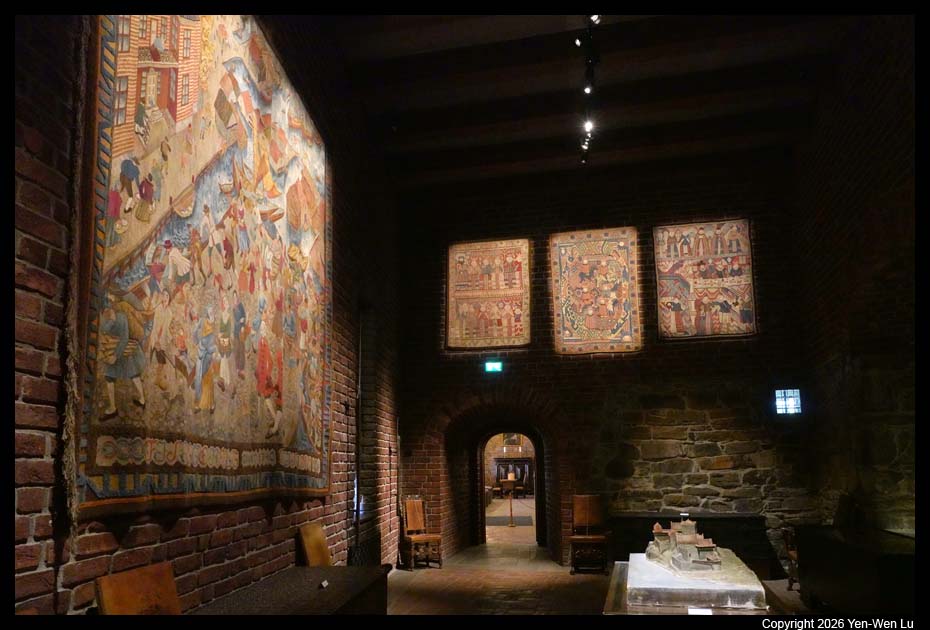
The museum
collection focuses on Norwegian resistance during the occupation of Norway
by Nazi Germany from 1940 to 1945. Although we were not familiar with
the Norwegian history, we could see the tough time the Norwegian endured
during the WWII years.
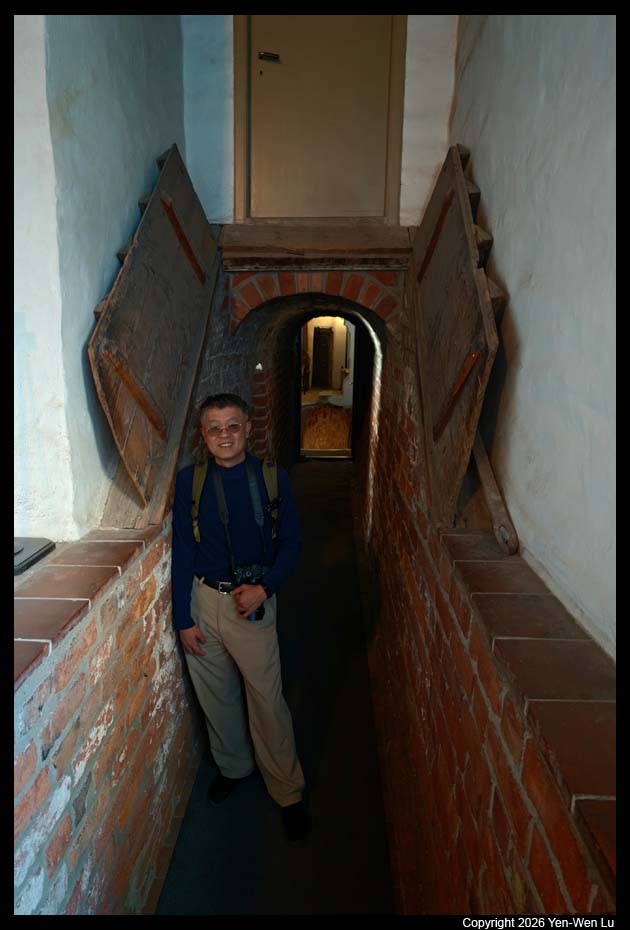
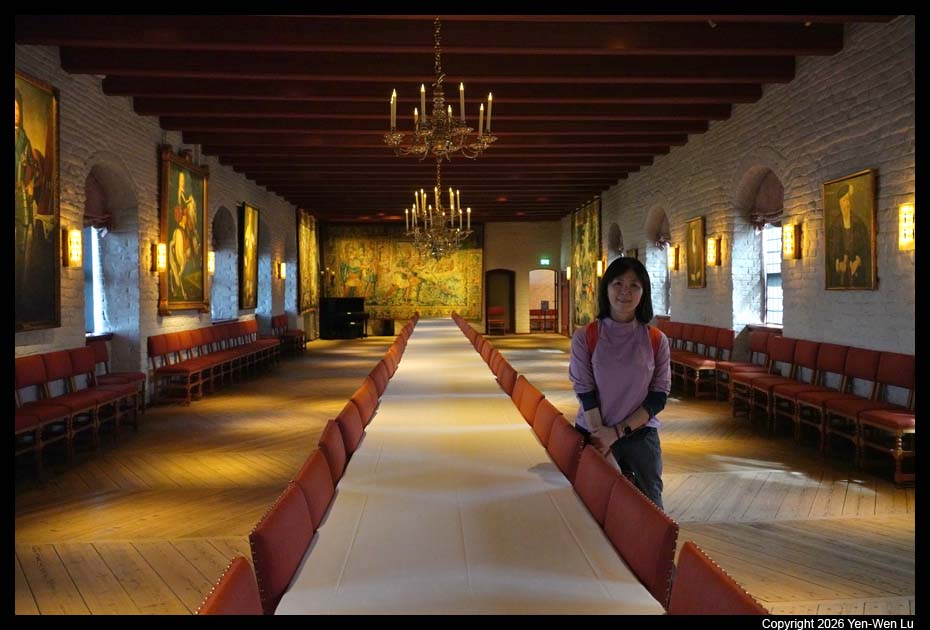
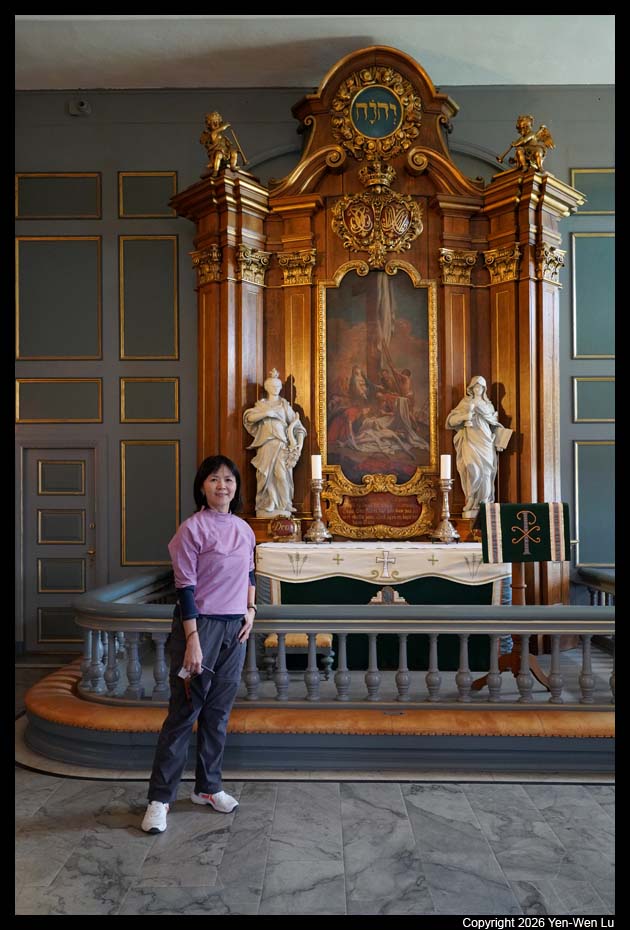
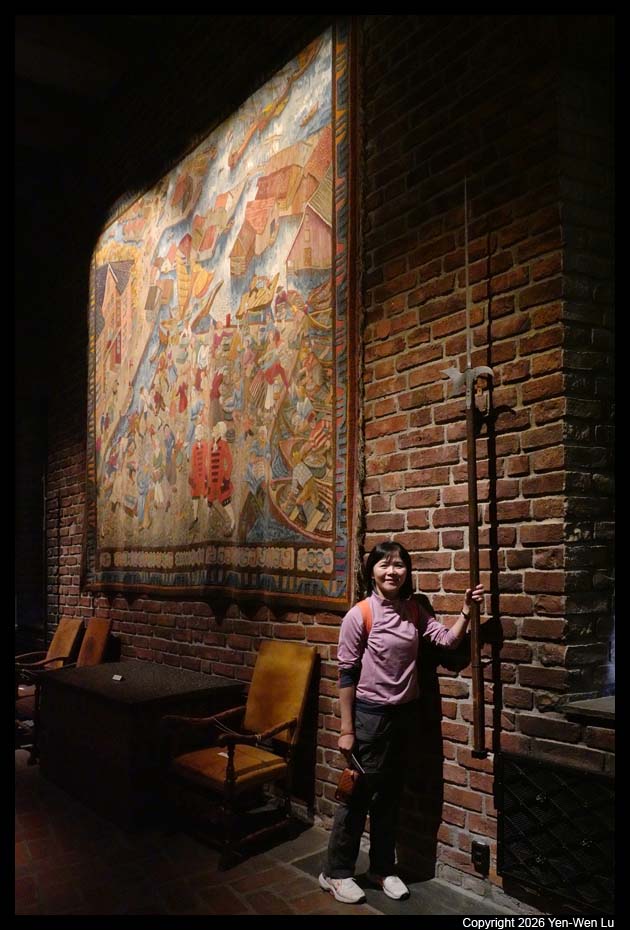
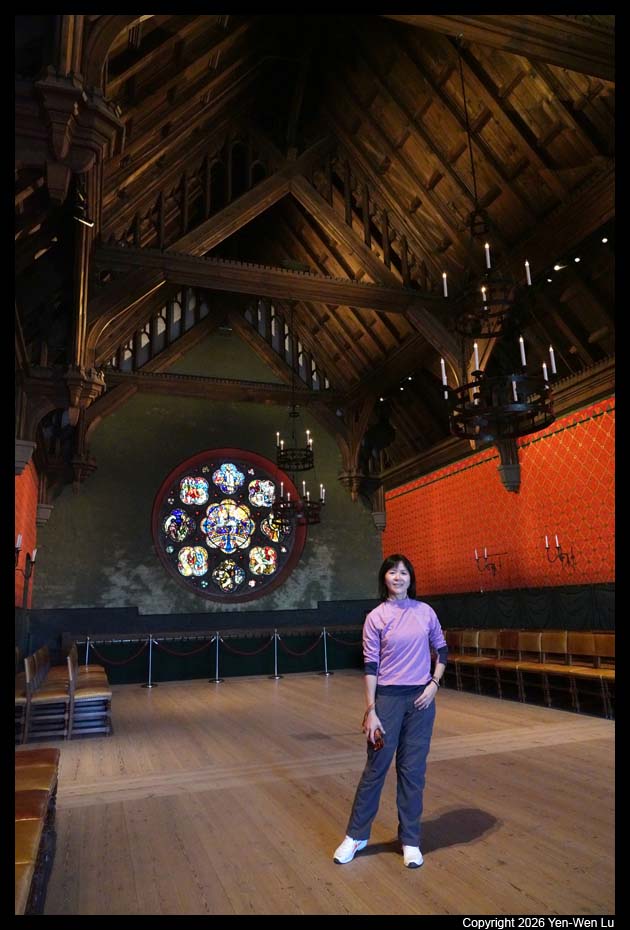
- Akershus Castle
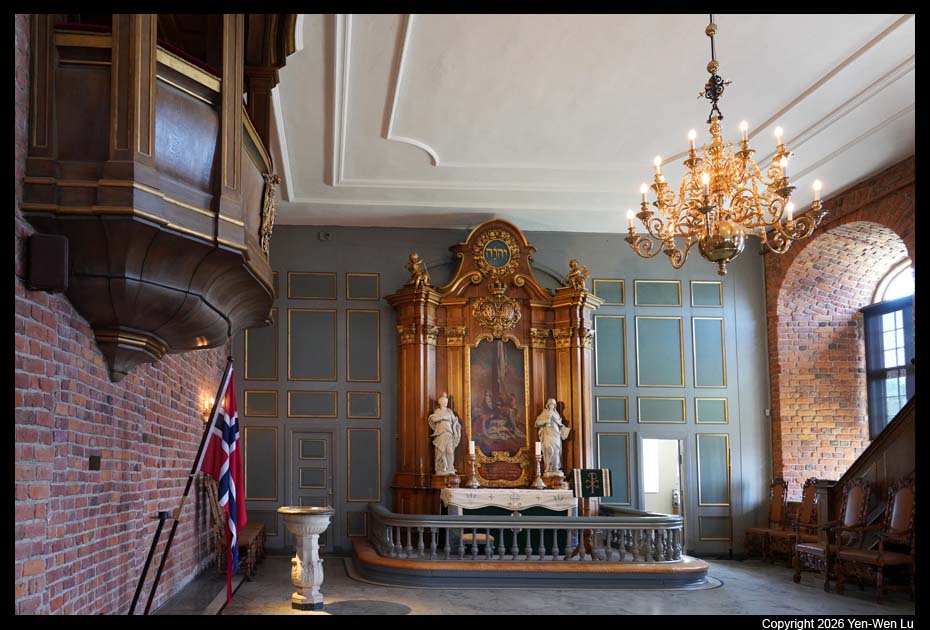
In the early 17th century, King Christian IV
modernized the structure, transforming the rugged medieval fortress into a
magnificent Renaissance castle surrounded by updated bastions. Over the
centuries, it has served as a royal residence, a seat of government, and a
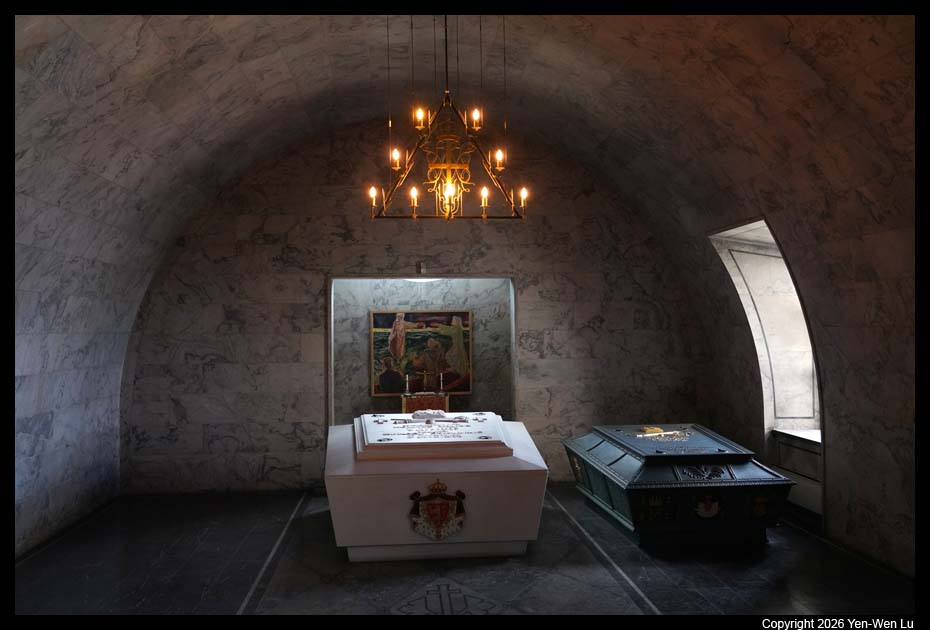
high-security military prison. Today, the Royal Mausoleum inside the castle
serves as the final resting place for several Norwegian monarchs, including
King Haakon VII and King Olav V.
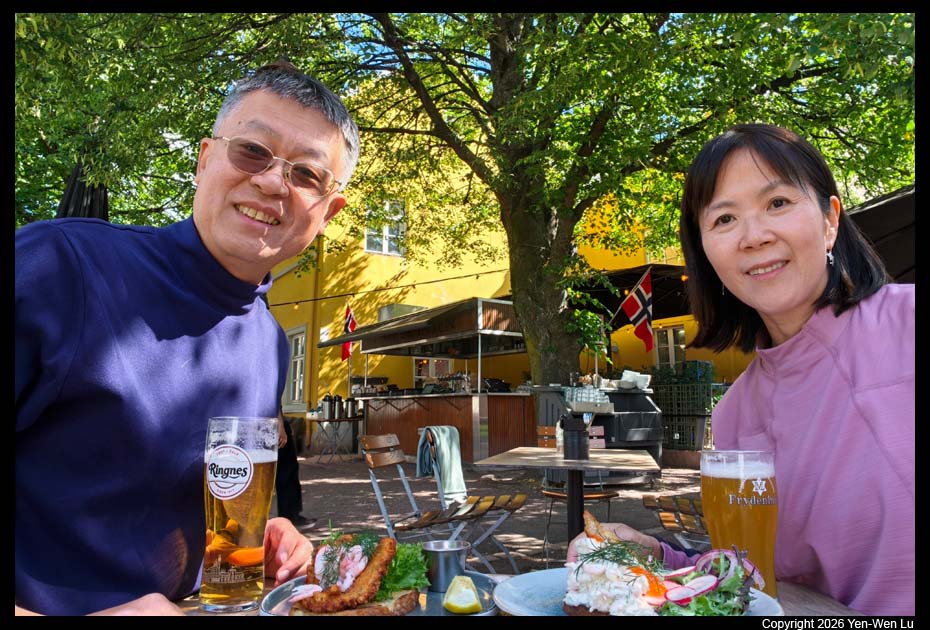
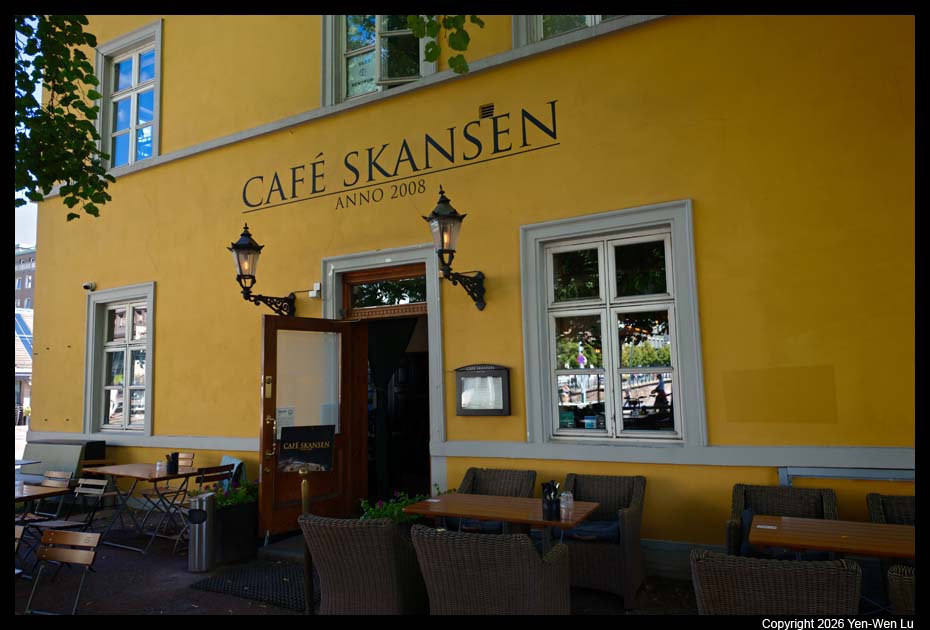
After visiting the castle, we had a traditional
Norwegian lunch at a local
cafe (Cafe Skansen) at the foot
of the fortress.
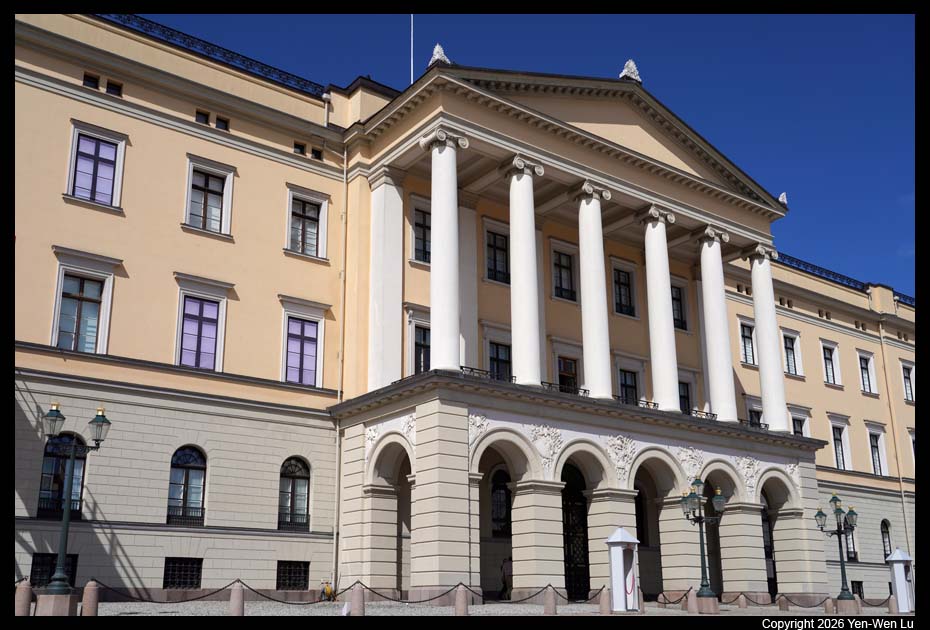
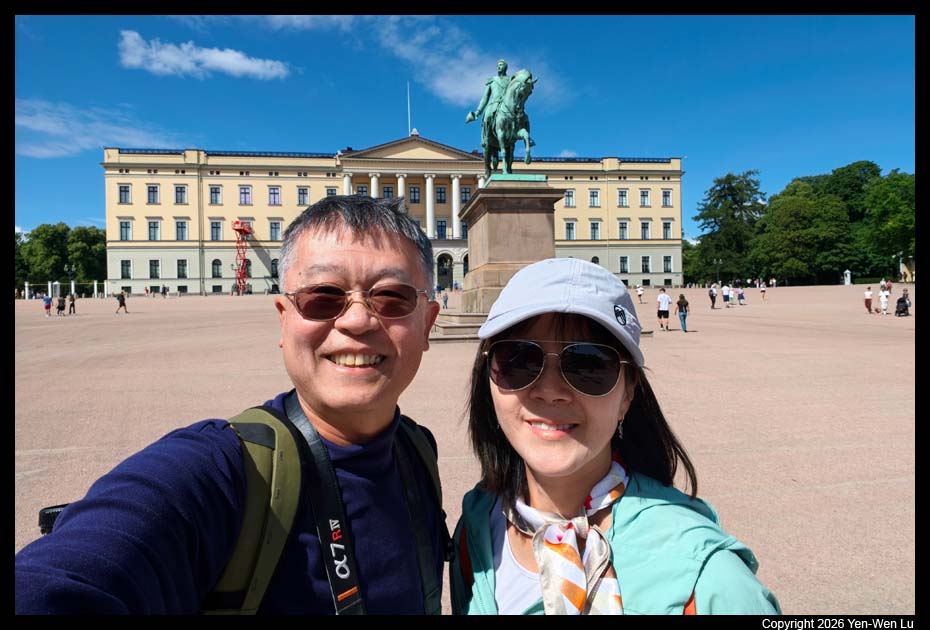
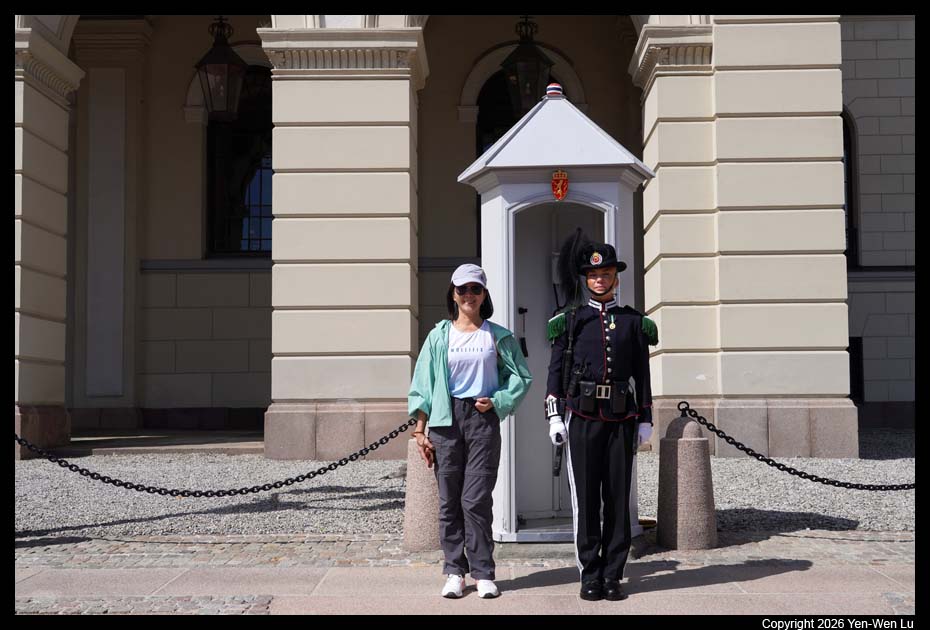
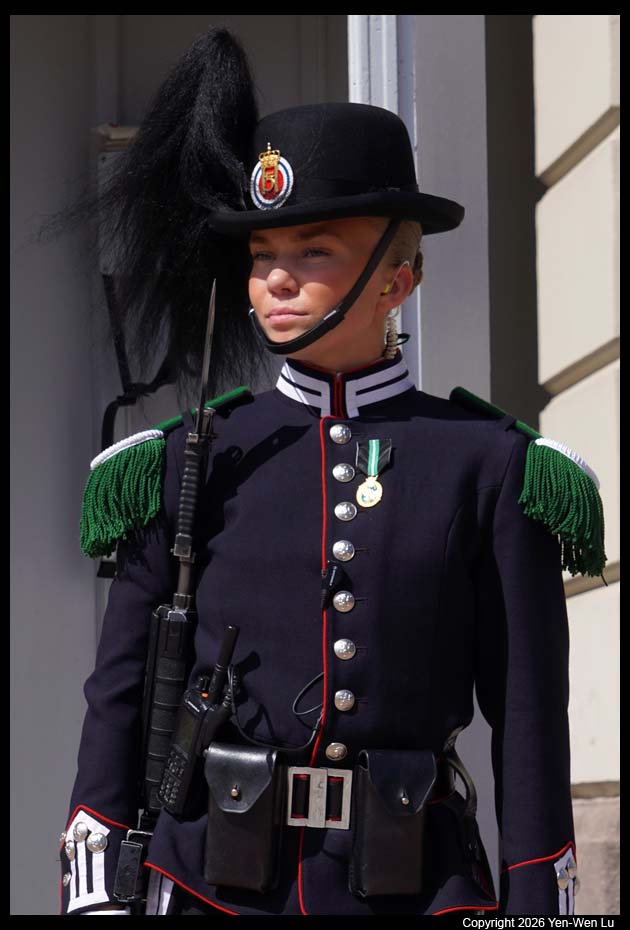
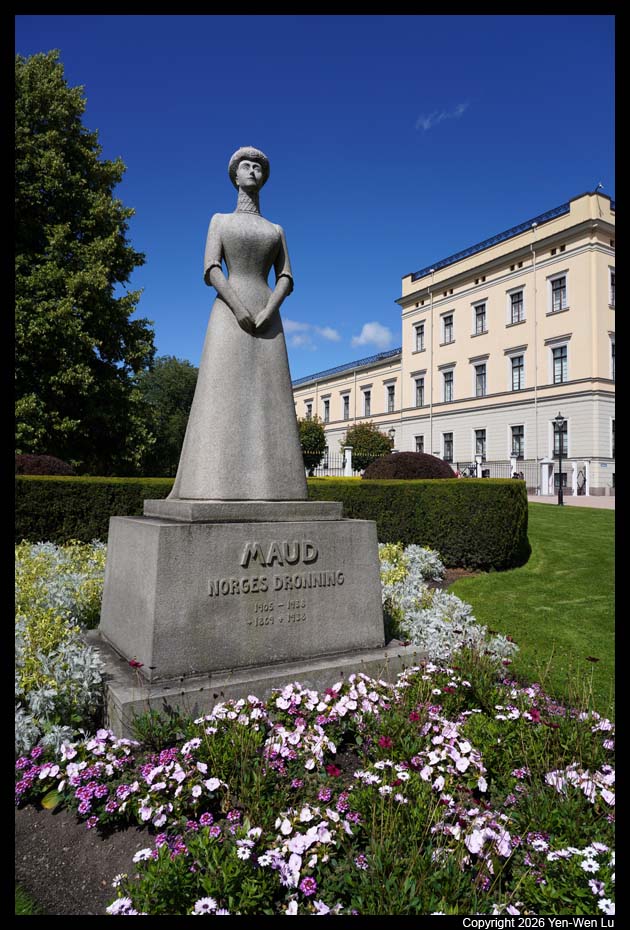
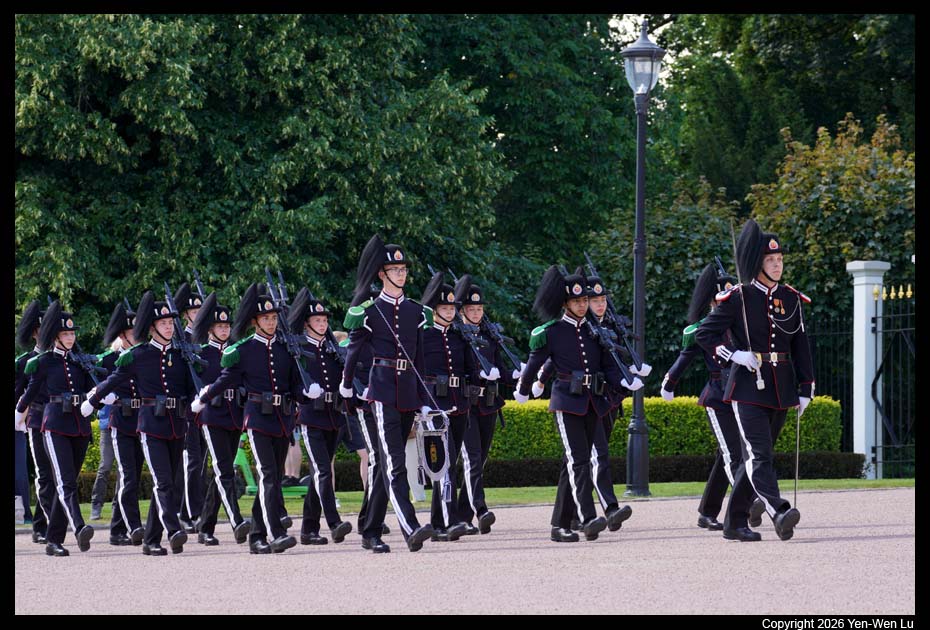
- Royal Palace (Det kongelige slott)
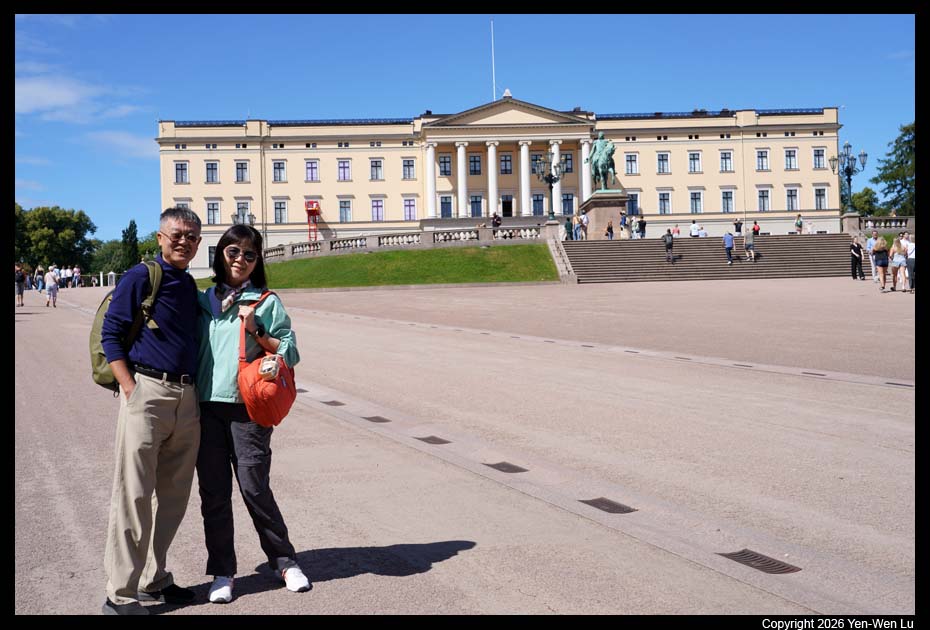
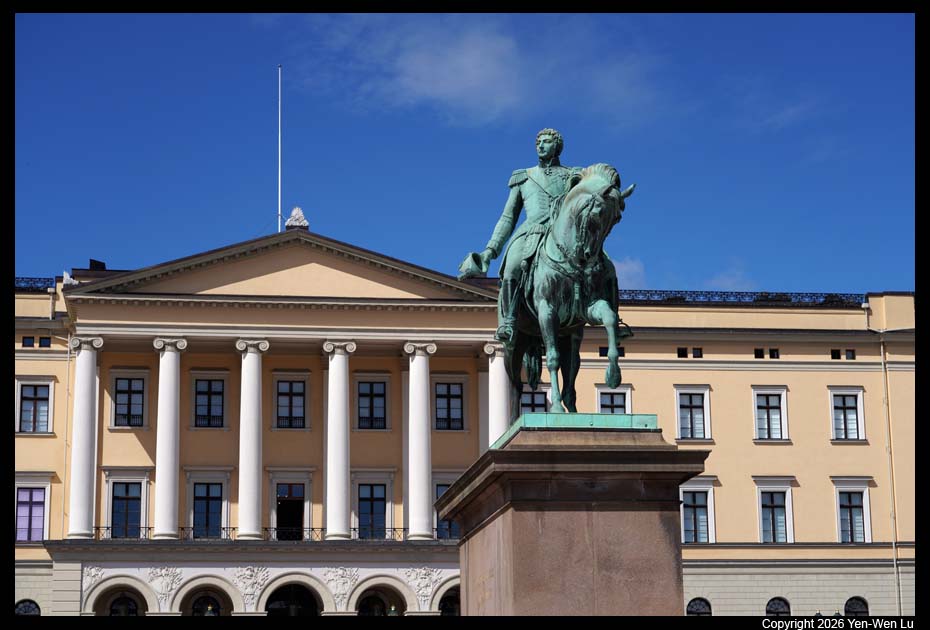
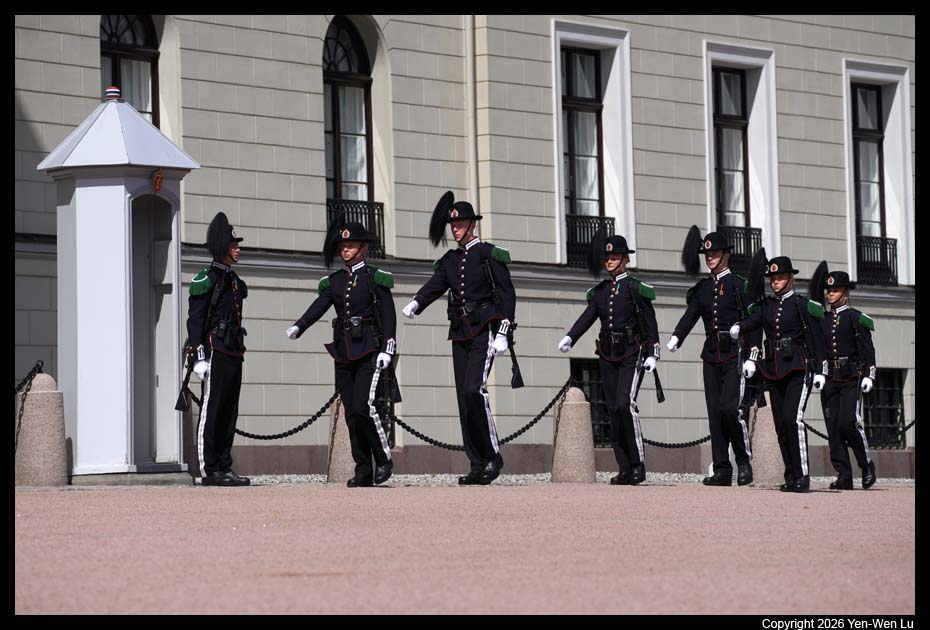
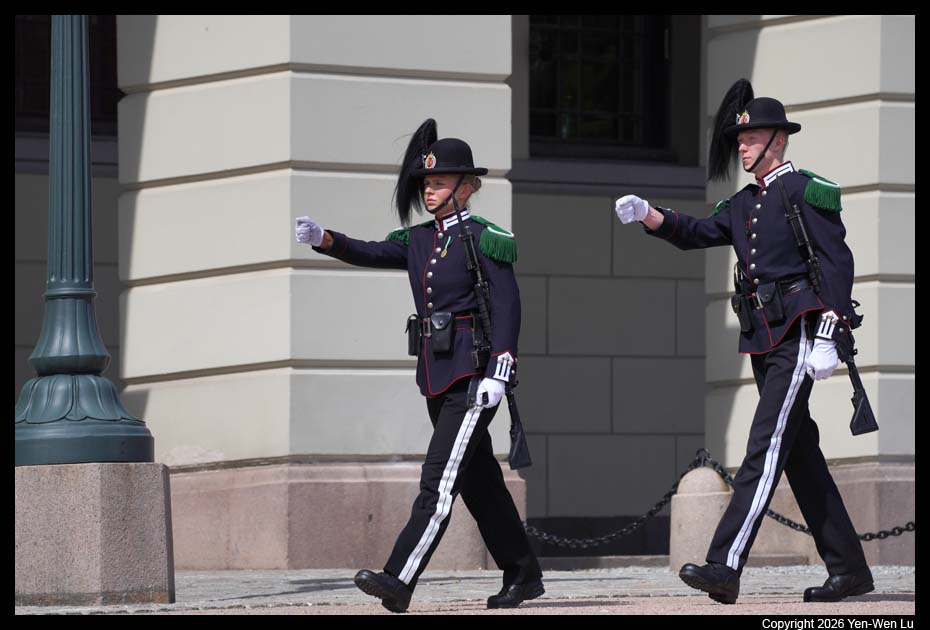
The Royal Palace in Oslo is the
official residence of the Norwegian monarch, King Harald V, and Queen Sonja.
Completed in 1849, the classic, cream-colored palace sits prominently at the
top of Karl Johans gate, surrounded by the beautiful Palace Park with the
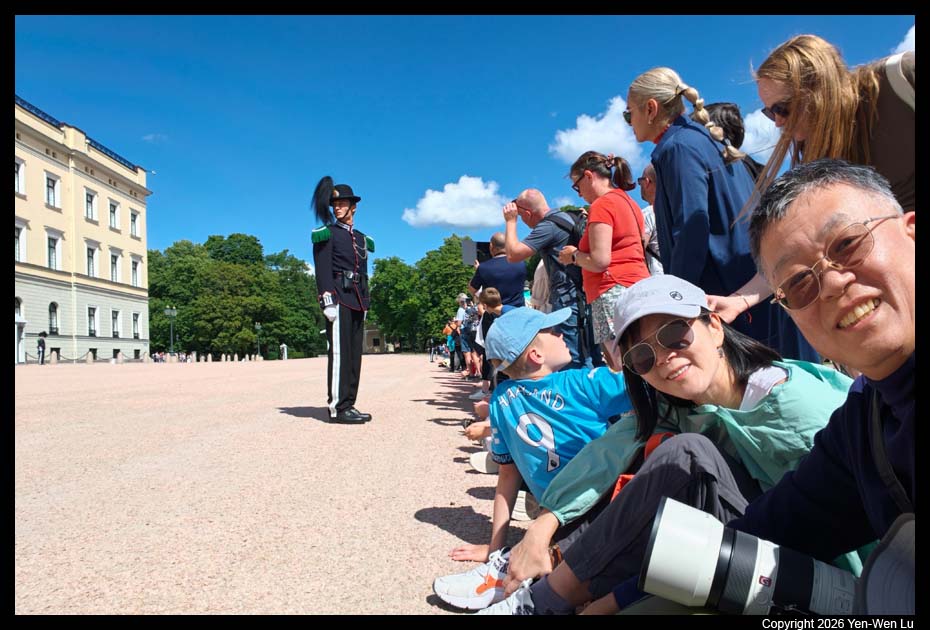
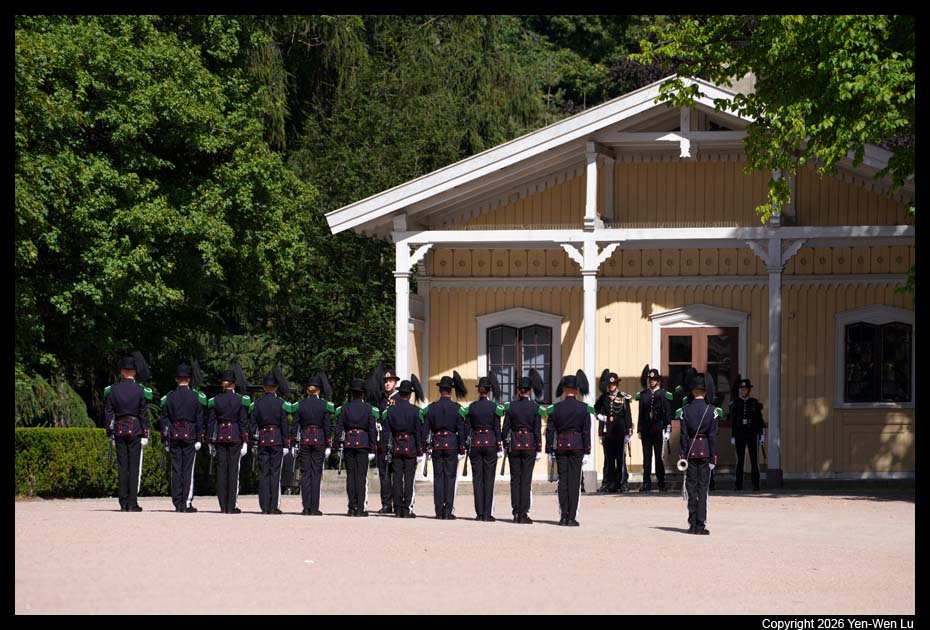
Palace Square in the front. We came to see the Norwegian Royal Guard
perform their formal changing ceremony daily at 1:30 PM.
- City Hall
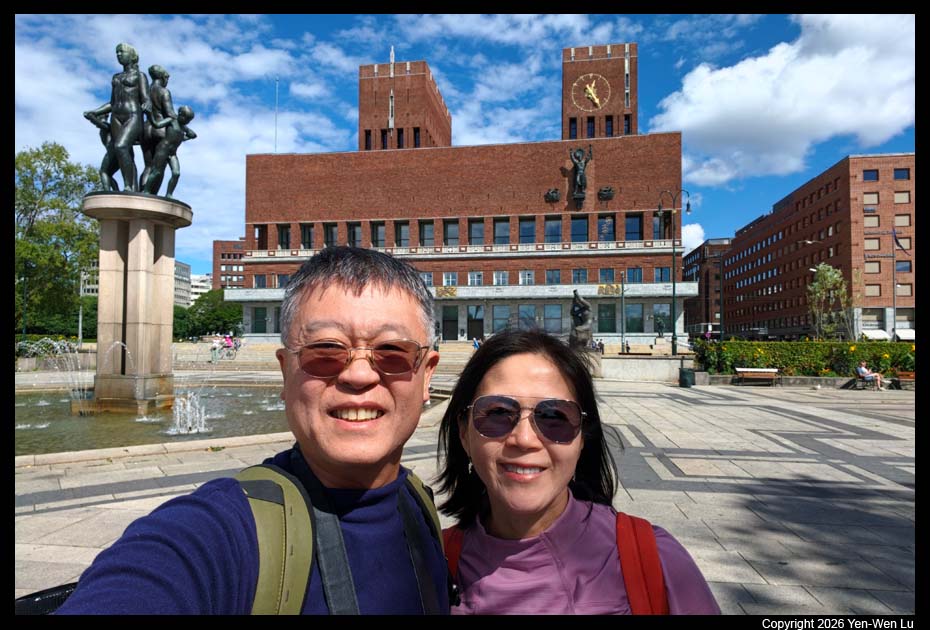
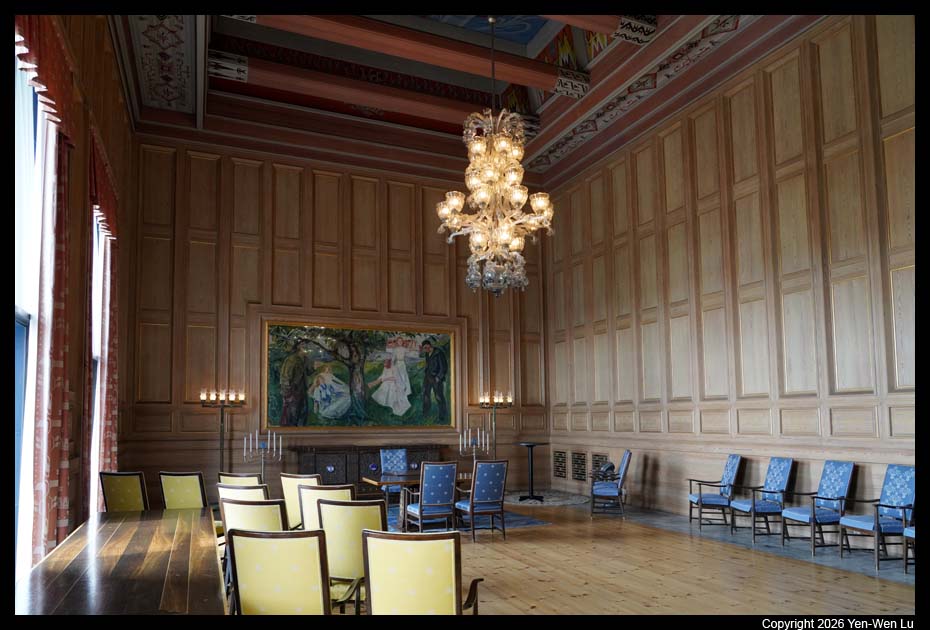
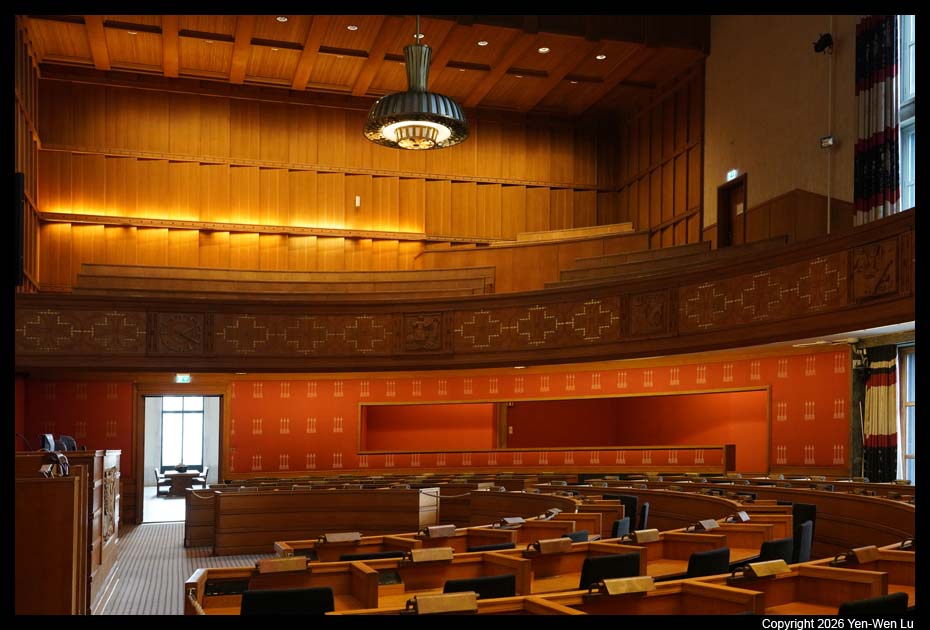
The Oslo City Hall was constructed between 1931 and 1950,
with an interruption during World War II. Its striking exterior
features two massive brick towers—one standing 63 meters high and the other
66 meters high—built using over two million hand-made dark red bricks.
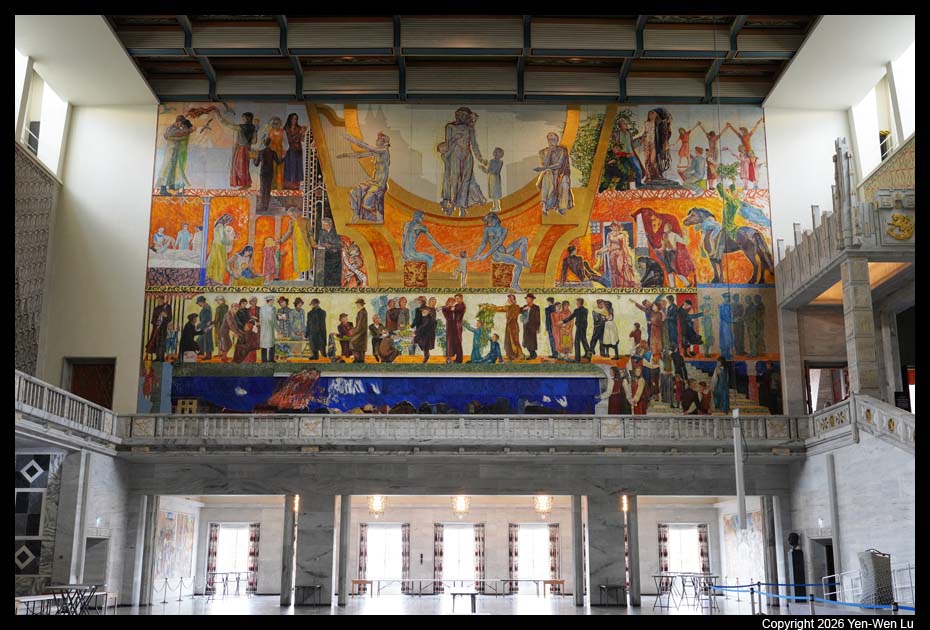
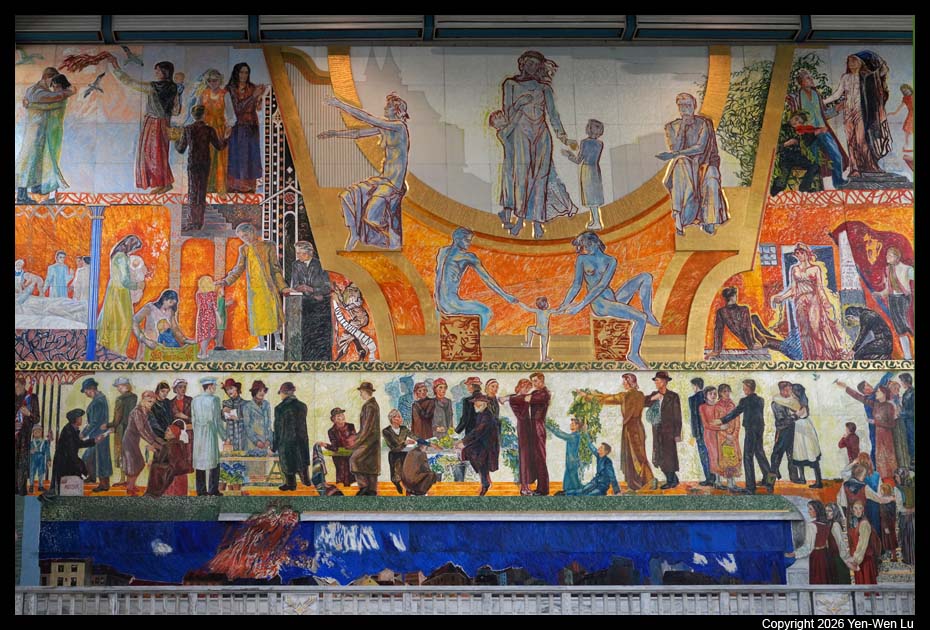
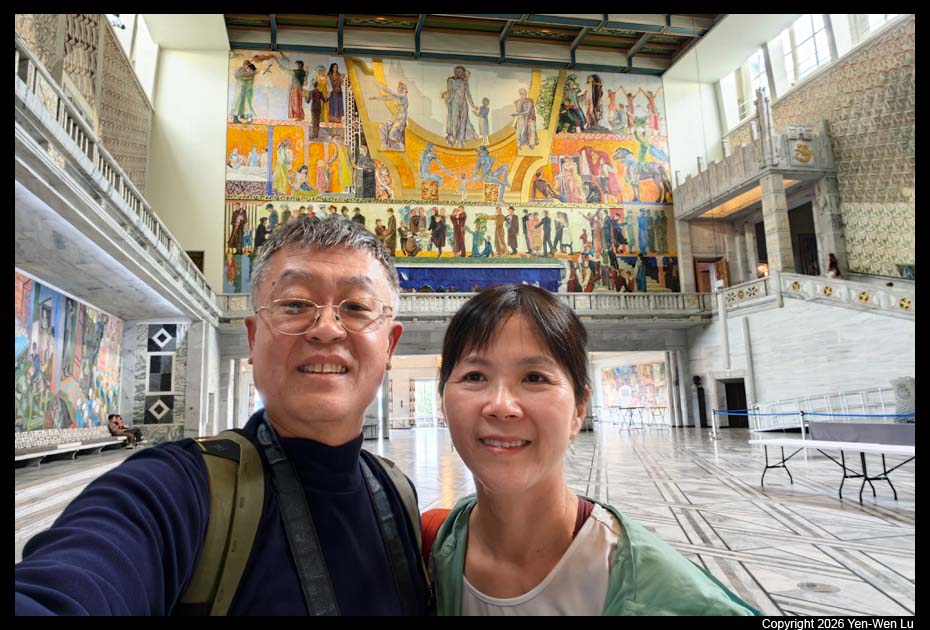
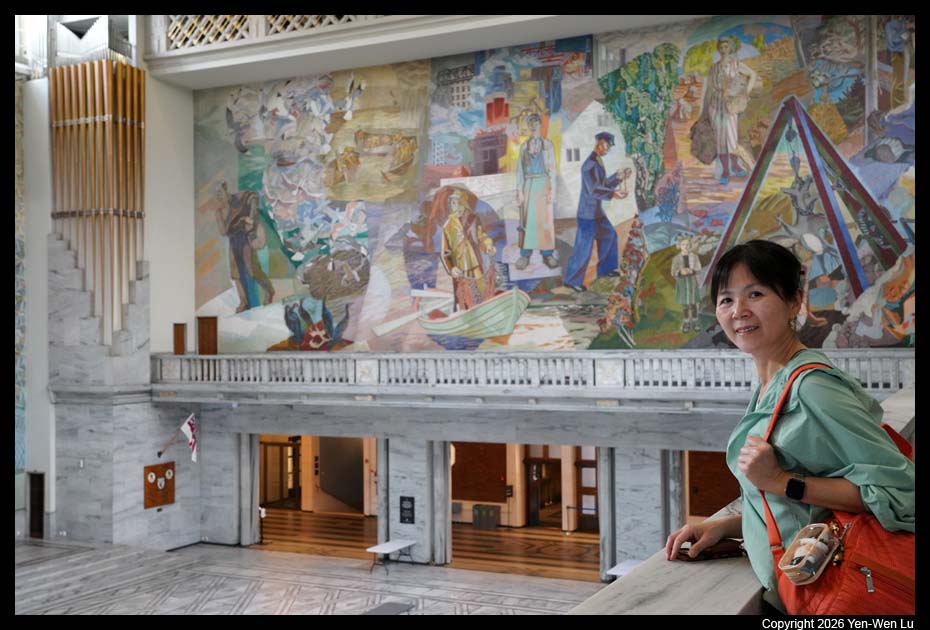
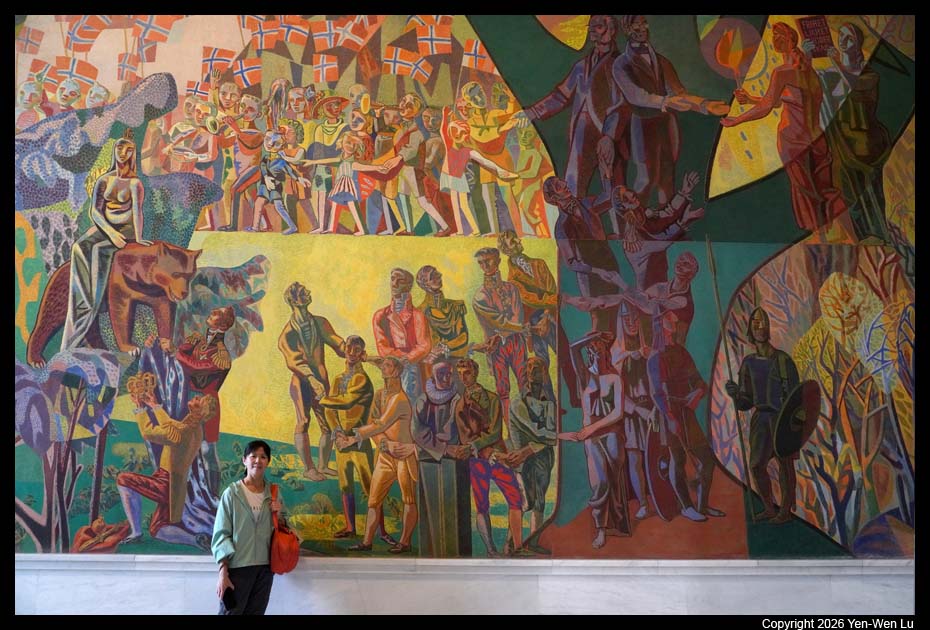
The Main Hall (Rådhushallen), a giant central space (measuring 31m wide, 39m
long and around 21m high), is where the Nobel Peace Prize is awarded every
December. The walls are covered in spectacular, massive murals painted by
Henrik Sørensen and Alf Rolfsen, detailing Norwegian industry, history, and
the country's struggle during World War II.
- Oslo City
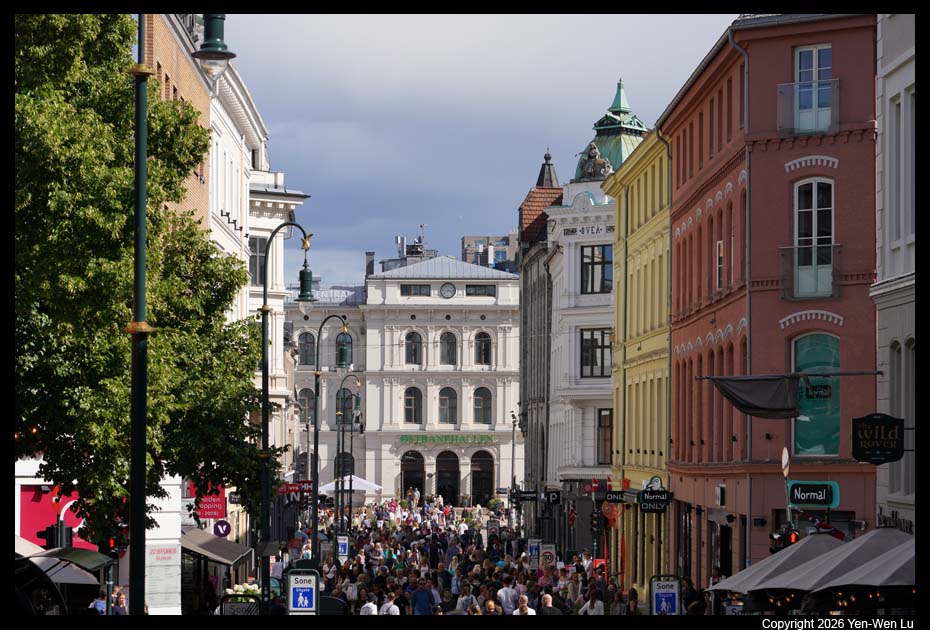
After a snack break, we walked along the busy Karl Johans
Gate, the main street of Oslo running through the absolute center of the
city, back to our apartment on the other side of the Oslo Central Station.
This was the first time we felt Oslo was a populous city.
Day 4 (7/28) ...
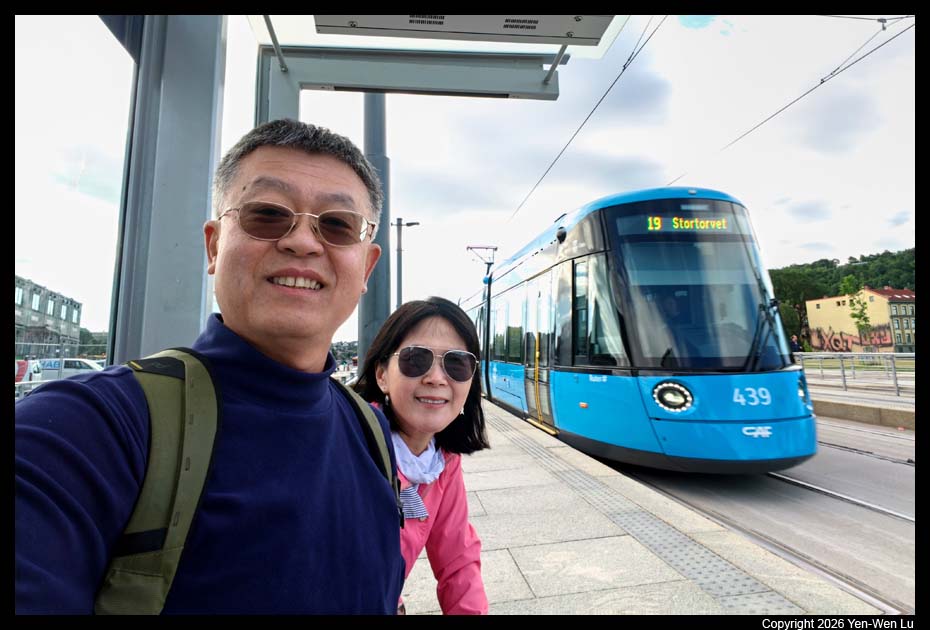
We took the trams and buses
(using the Ruter App) to explore the Oslo beyond the downtown area today.
- Fram Museum (Frammuseet)
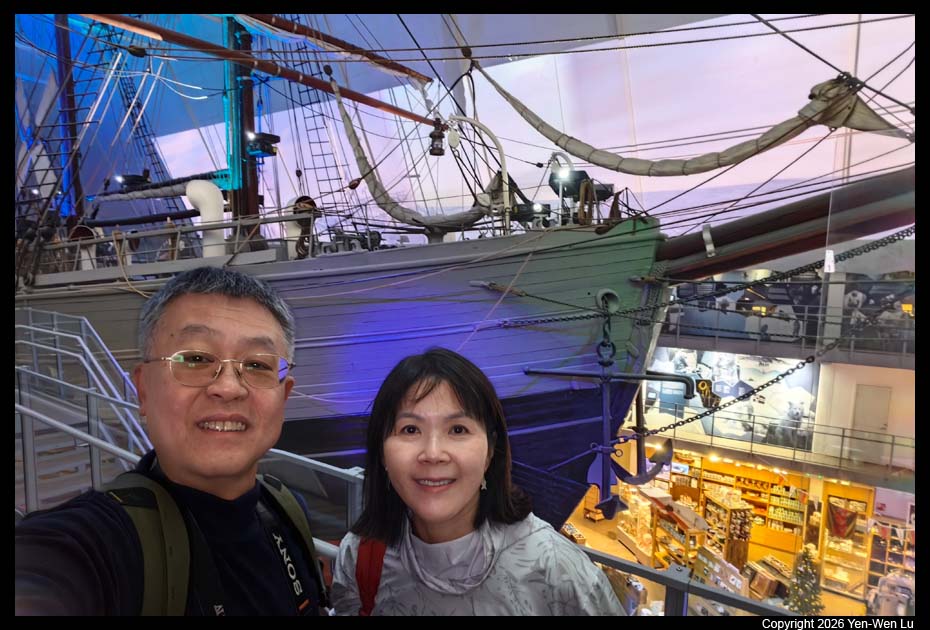
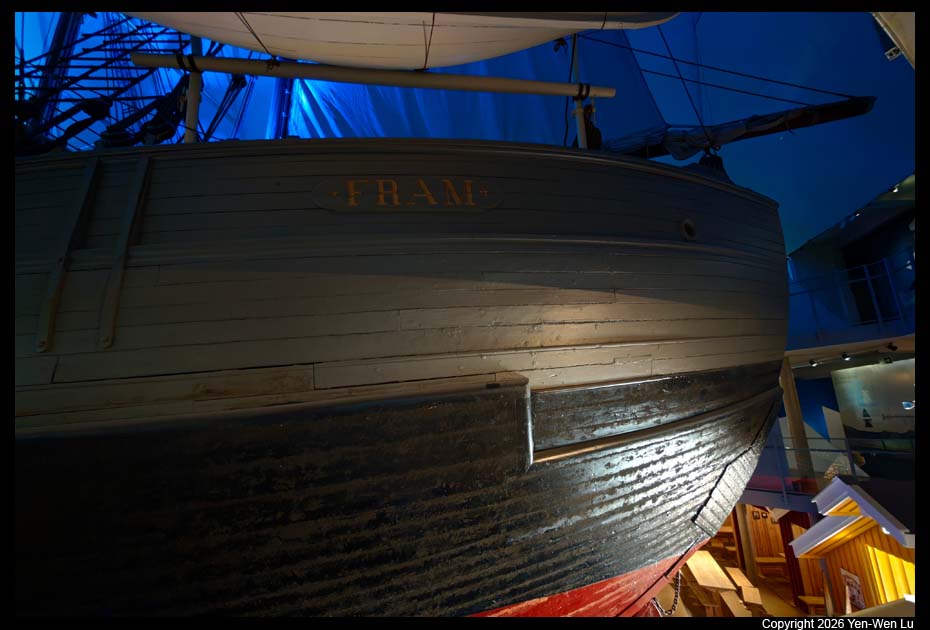
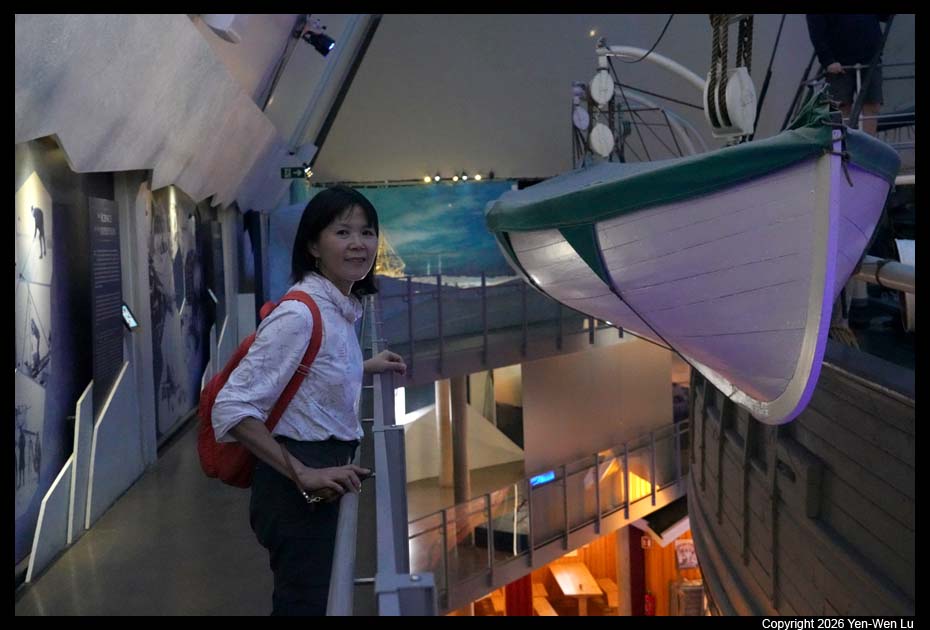
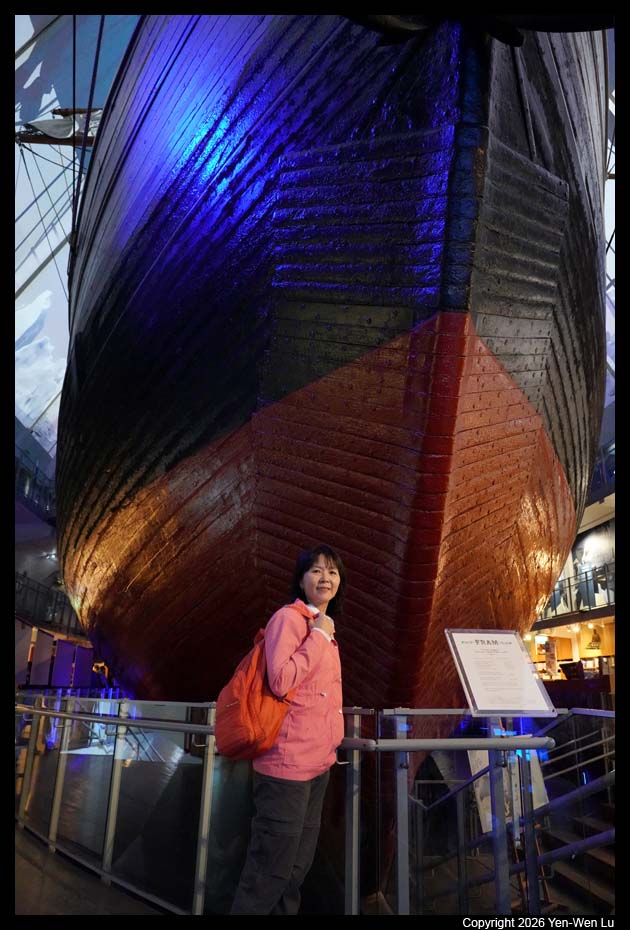
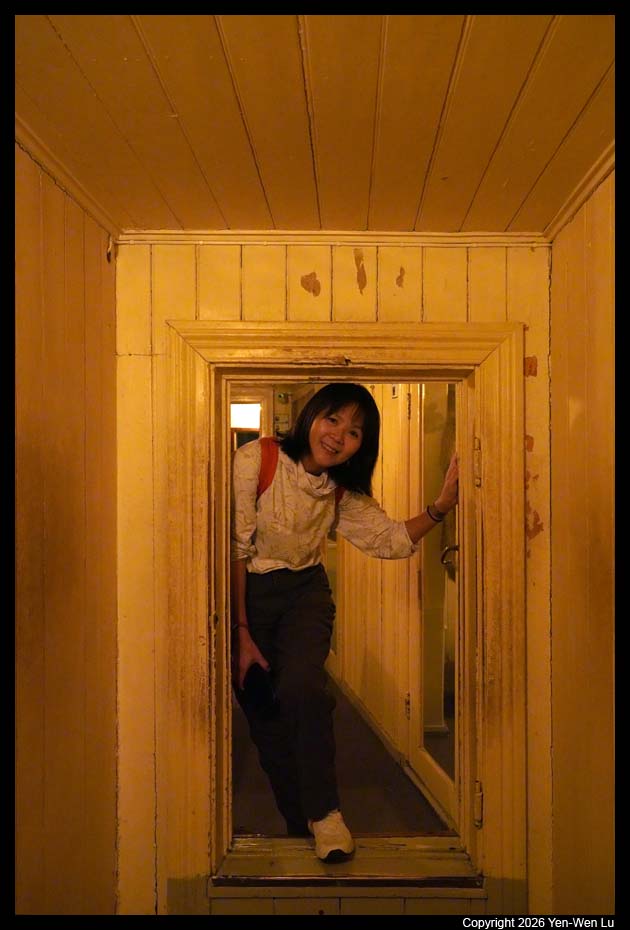
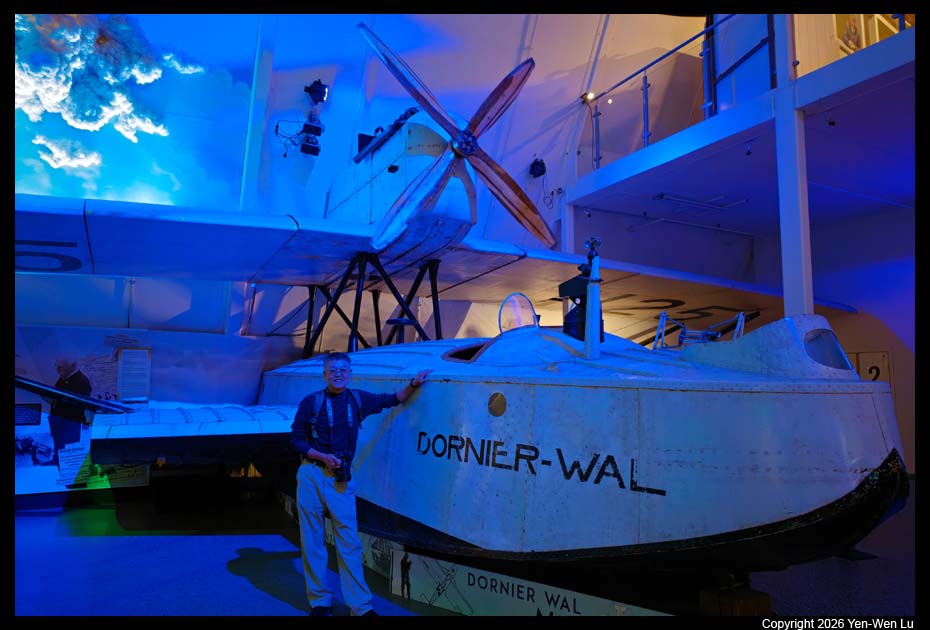
The
Fram Museum (Frammuseet) is an immersive maritime museum located on the
Bygdøy peninsula in Oslo. It is dedicated entirely to Norwegian polar
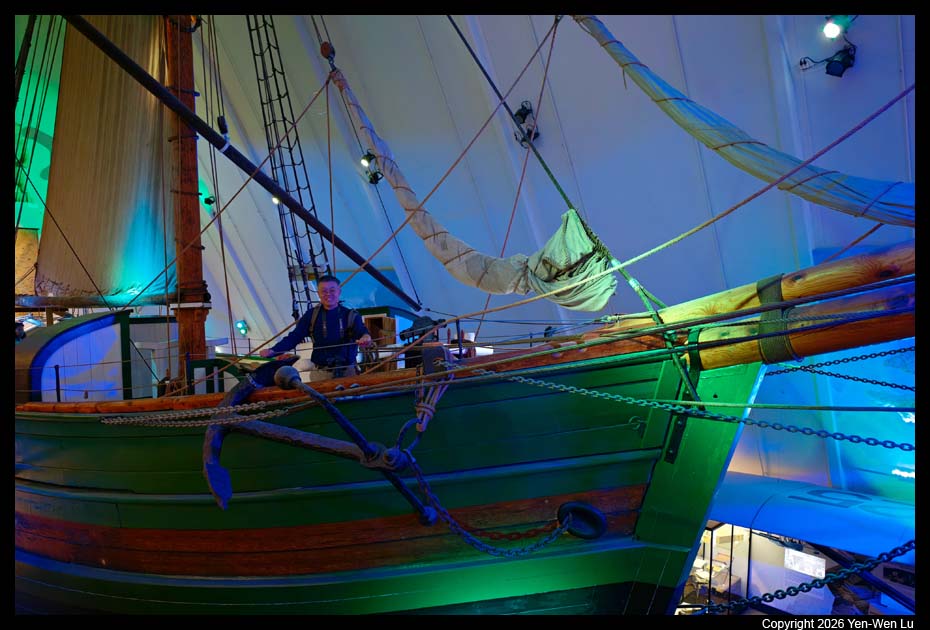
exploration and centers around the Fram, a historic 19th-century vessel
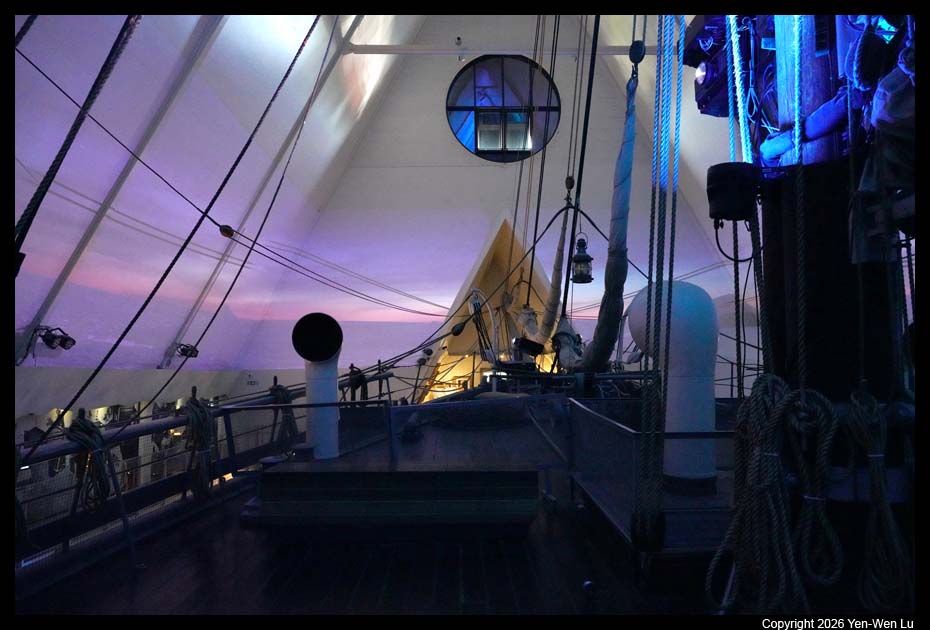
celebrated as the strongest wooden ship ever built. Unlike traditional
maritime museums where you look at vessels from behind a barrier, this
museum allows you to physically board the ships. The main
building is built directly around this massive vessel Fram. Fram was
commissioned, designed, and built by Scots-Norwegian shipbuilder Colin
Archer to specifications provided by Norwegian Arctic explorer Fridtjof
Nansen, who financed the building of the ship with a combination of grant
monies provided by the Norwegian government and private funding in 1891.
Fram was used in expeditions of the Arctic and Antarctic regions by the
Norwegian explorers Fridtjof Nansen, Otto Sverdrup, Oscar Wisting, and Roald
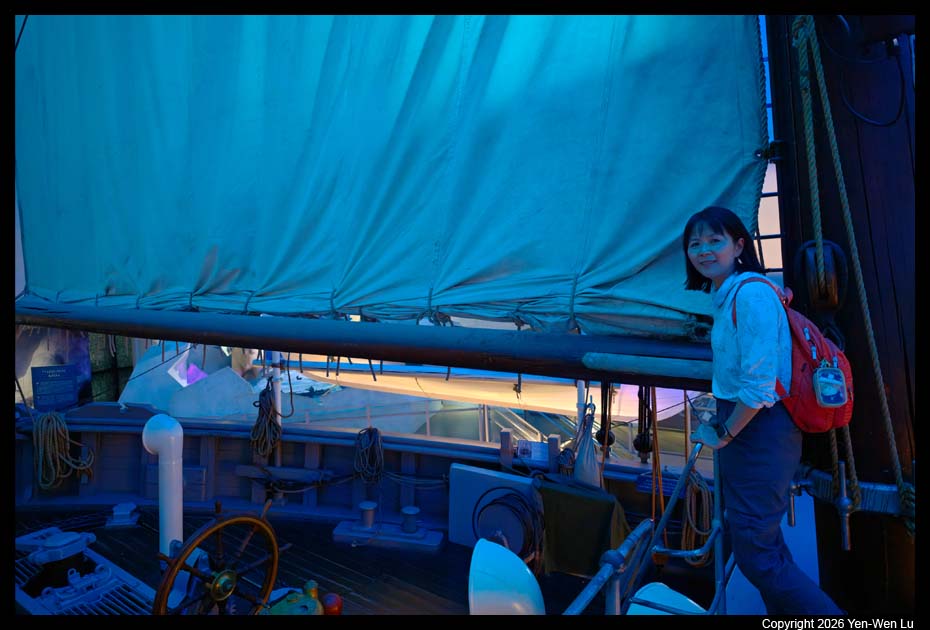
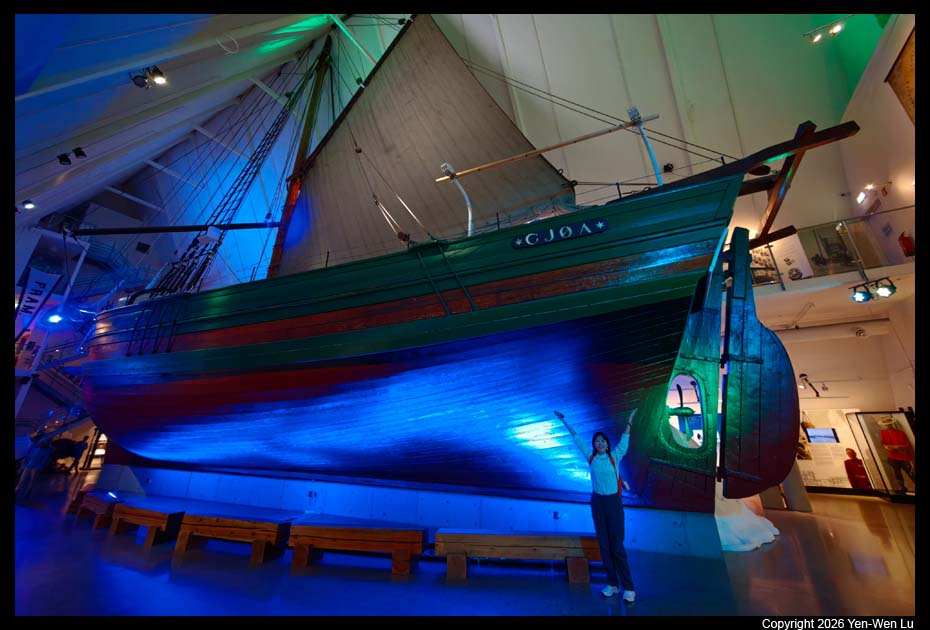
Amundsen between 1893 and 1912. The Fram Museum also houses another
historic boat, Gjøa, the first vessel in history to successfully navigate
the entire Northwest Passage in 1906.
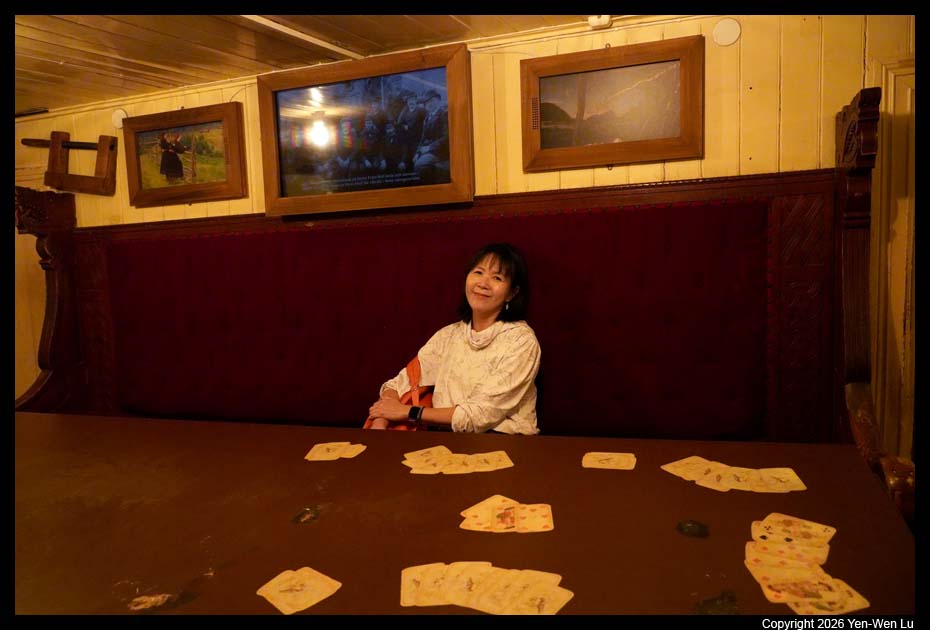
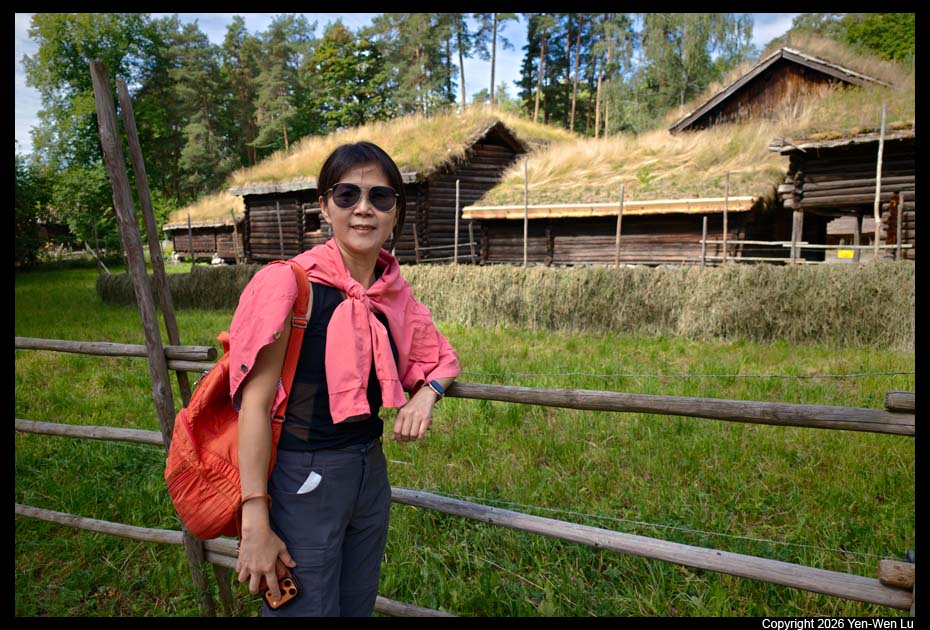
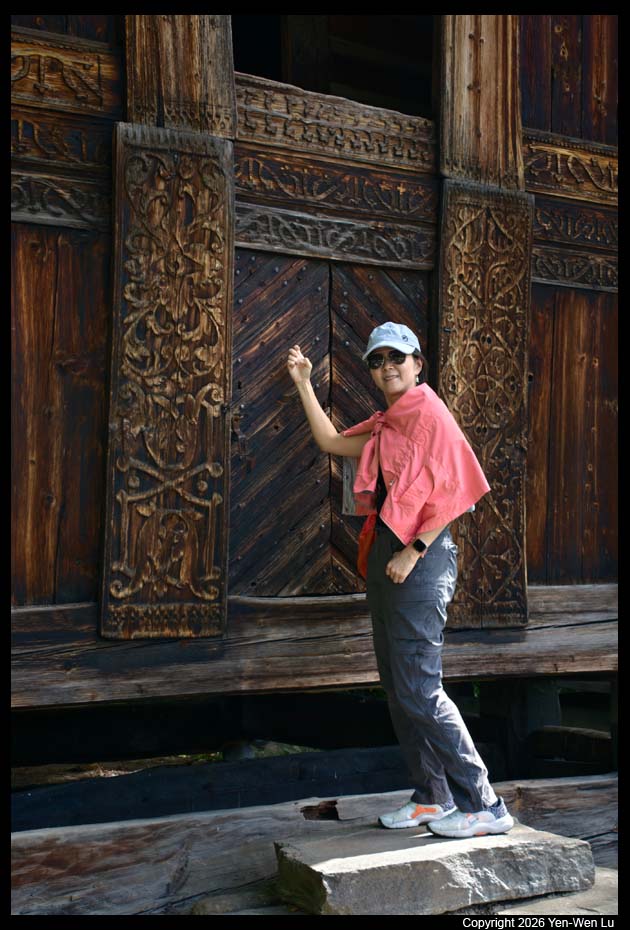
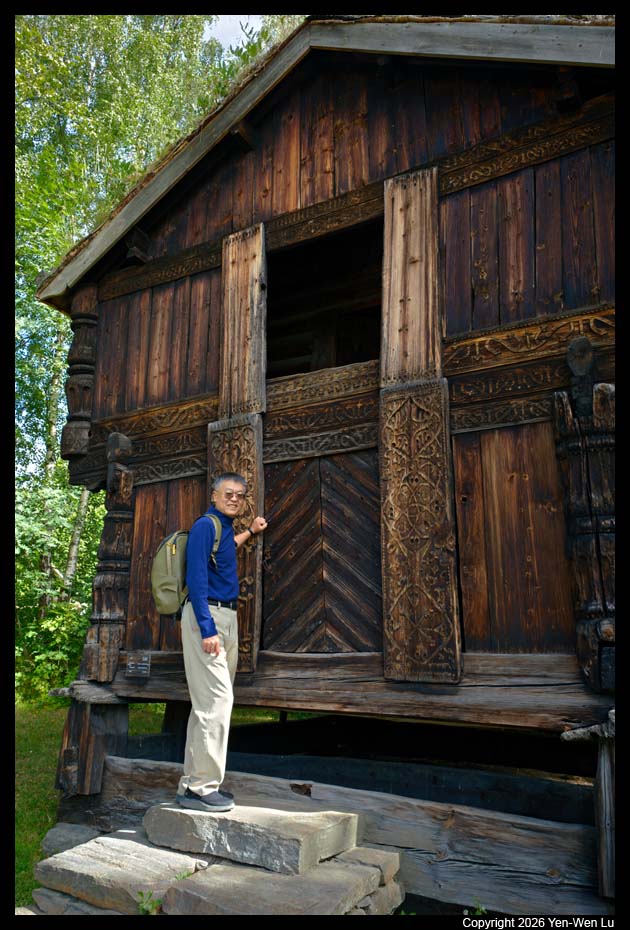
- The Norwegian Museum of Cultural
History (Norsk Folkemuseum)
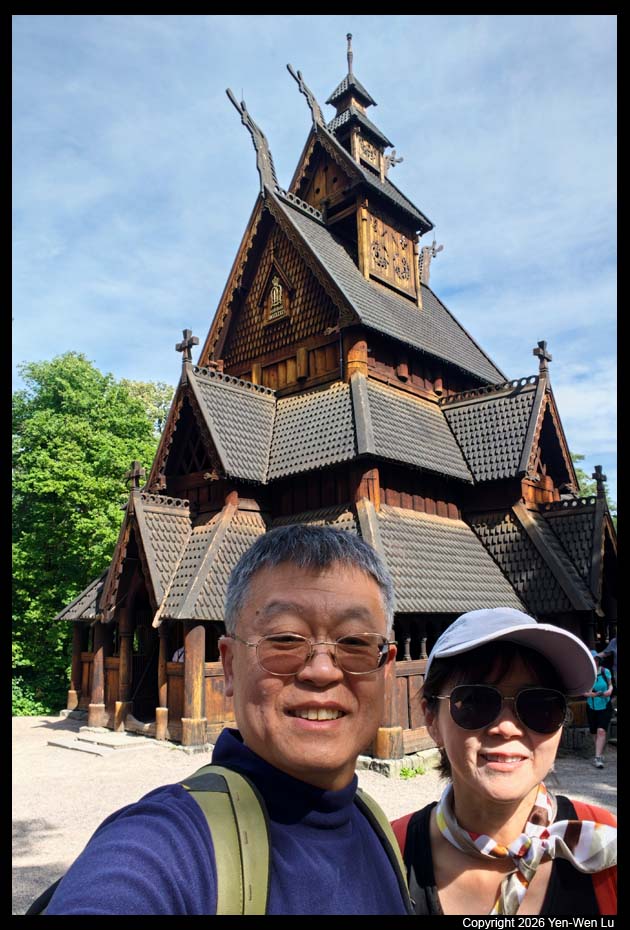
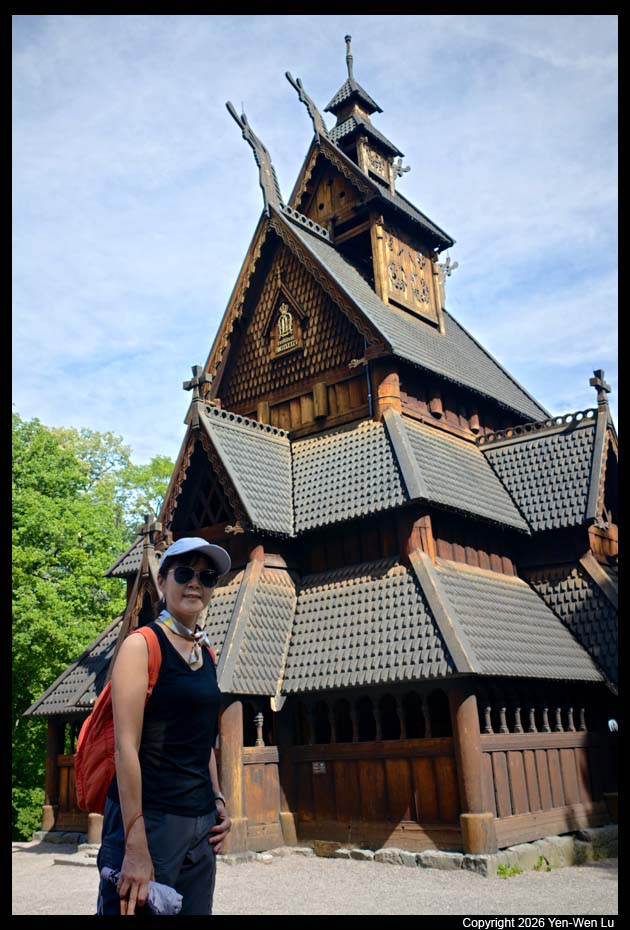
The Norwegian Museum of Cultural History
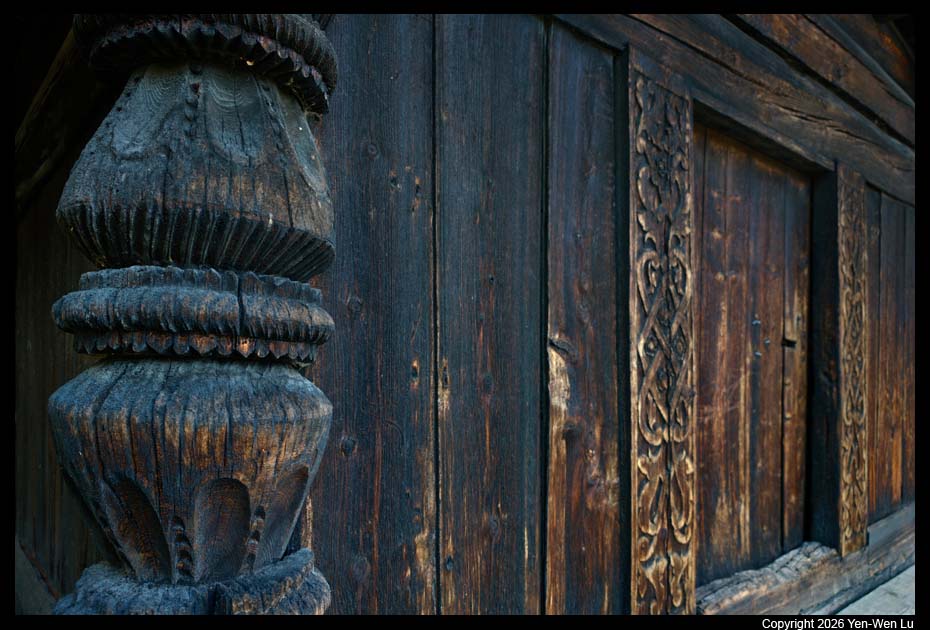
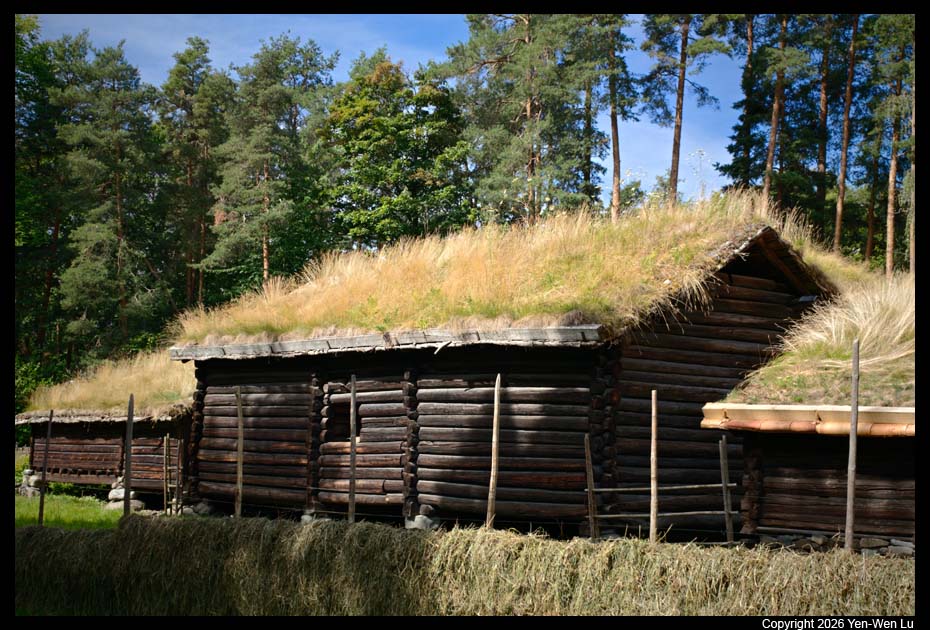
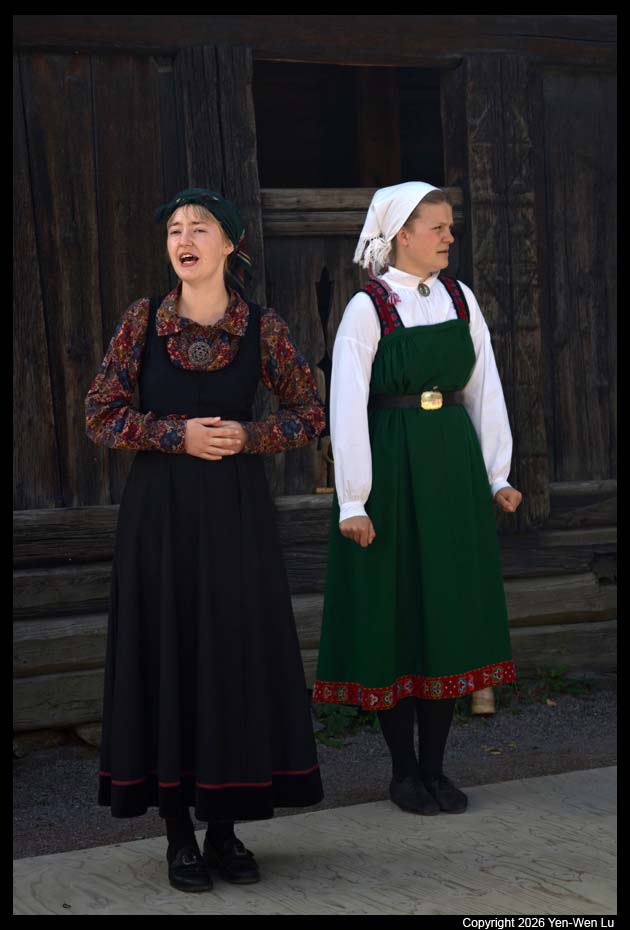
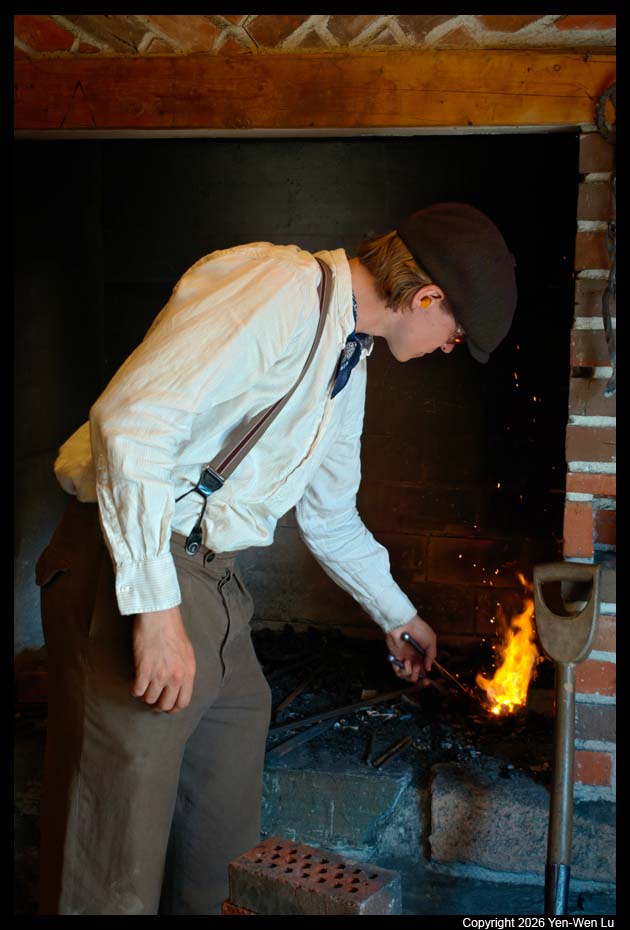
(Norsk Folkemuseum) is a sprawling, immersive open-air museum located on the
Bygdøy peninsula in Oslo. Established in 1894, it showcases how people lived
in Norway from the year 1500 down to the modern era through an extensive
collection of over 160 historic buildings relocated from all across the
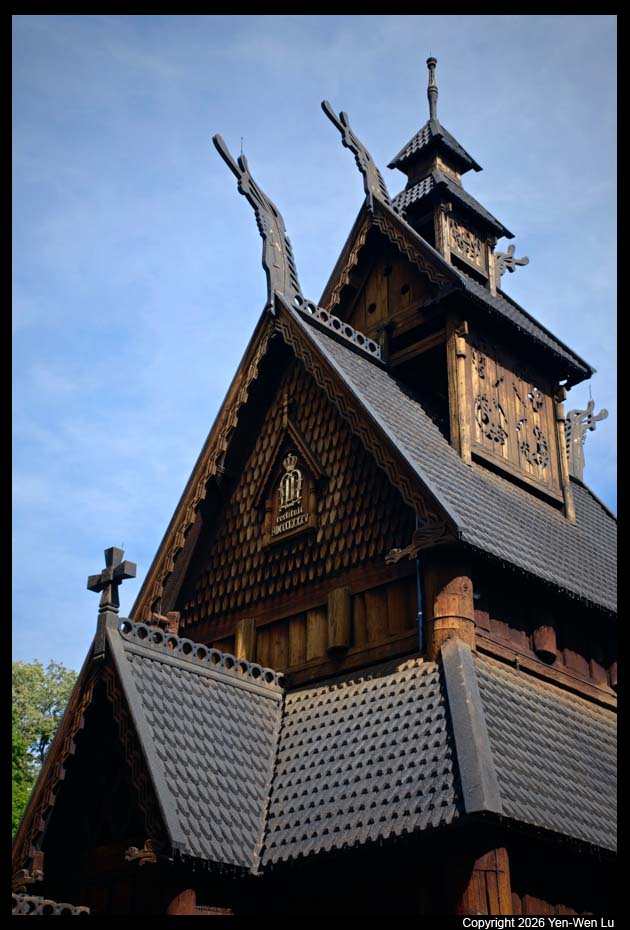
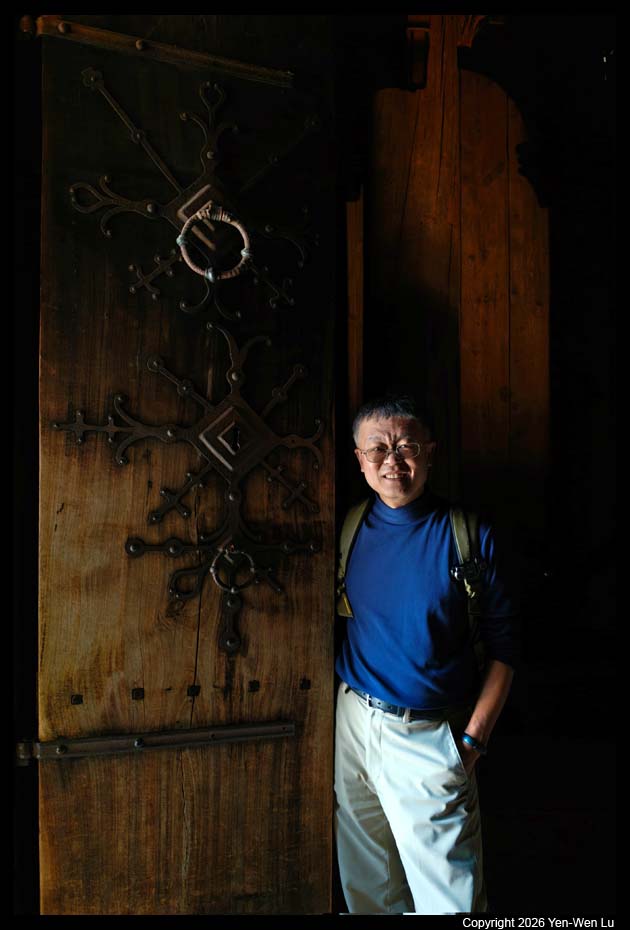
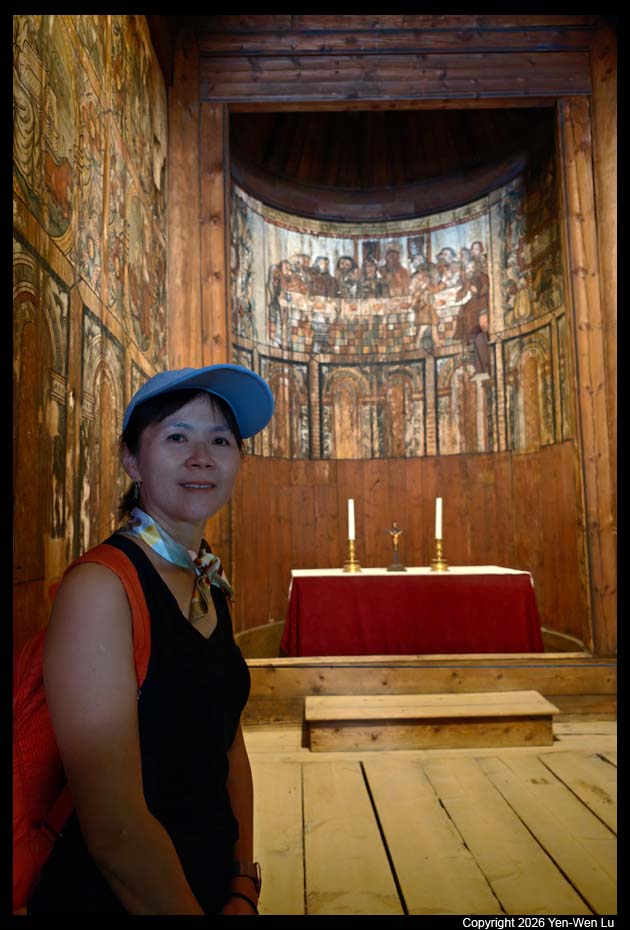
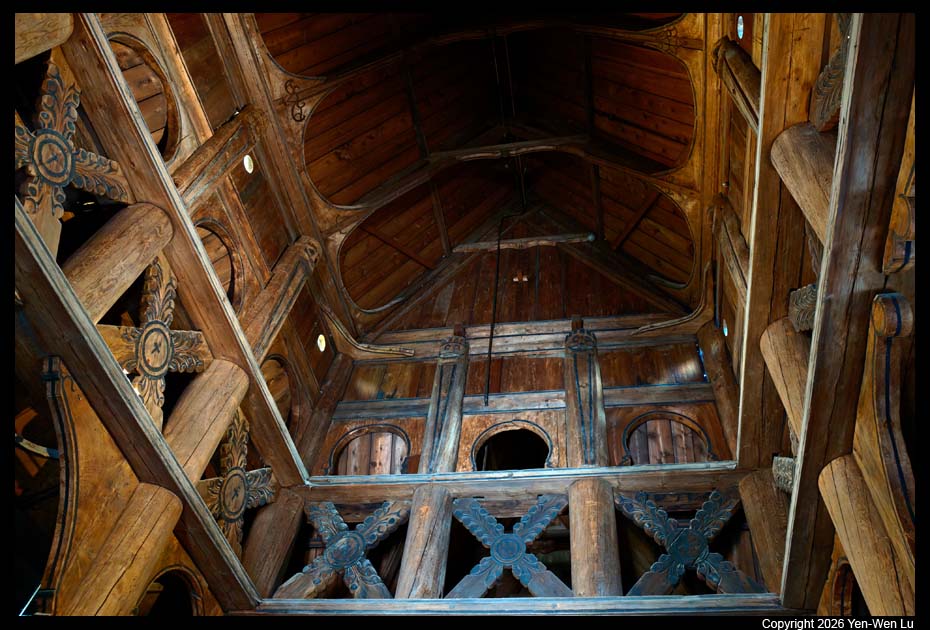
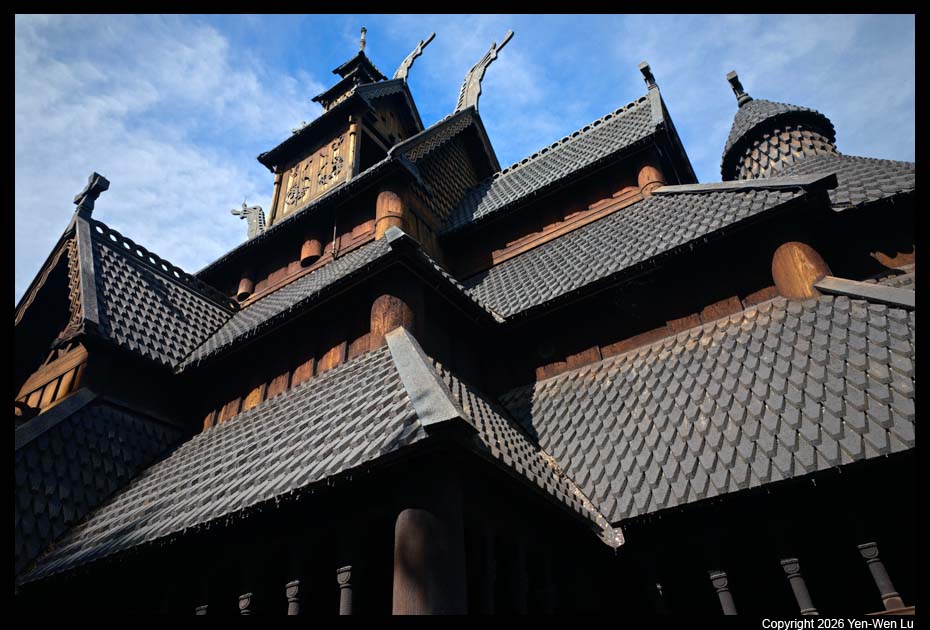
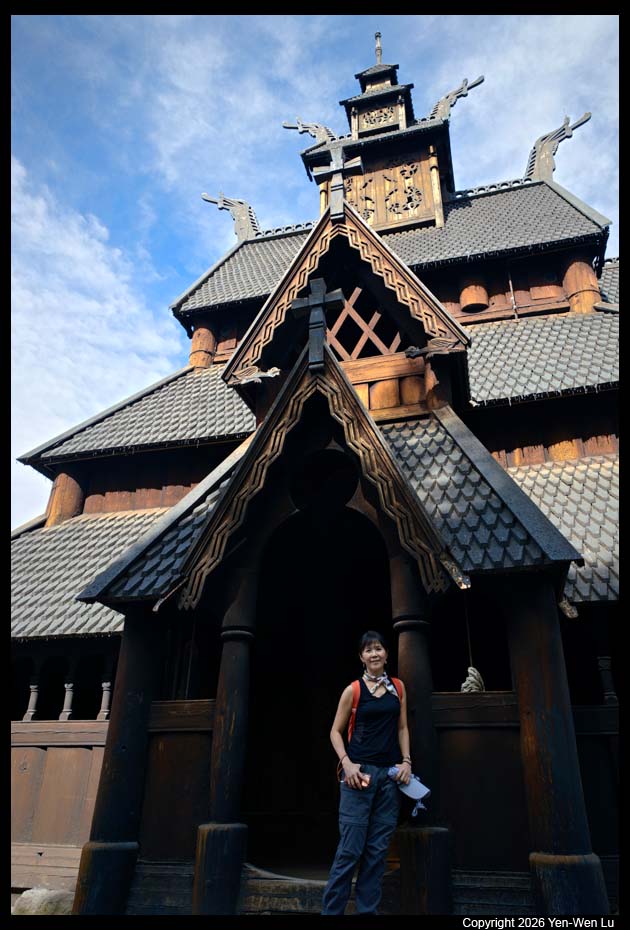
country. The absolute crown jewel of the museum is an authentic,
multi-tiered wooden medieval church, Gol Stave Church, built around the
1200s. It was carefully dismantled and re-erected on the museum grounds in
the 1880s.
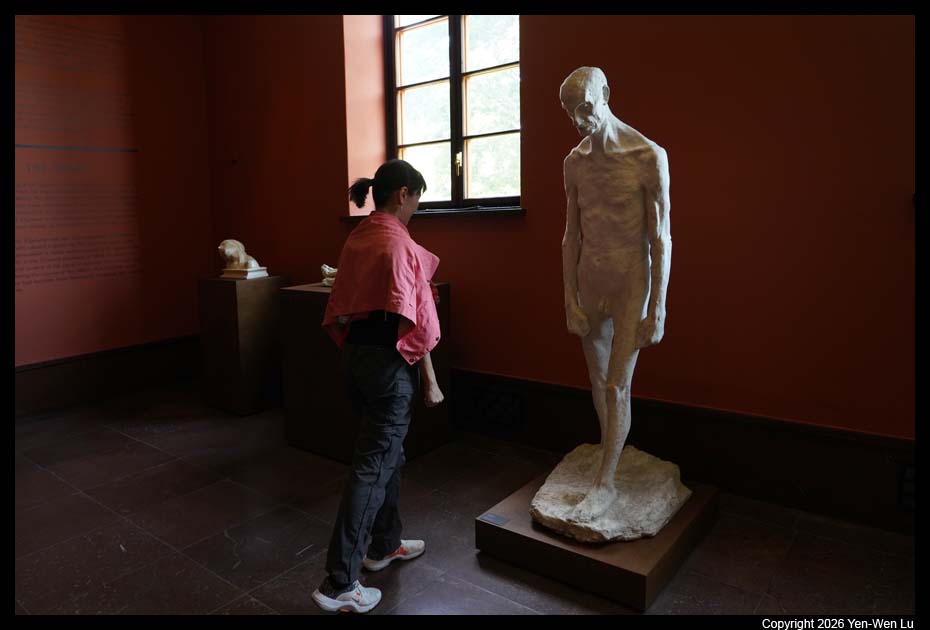
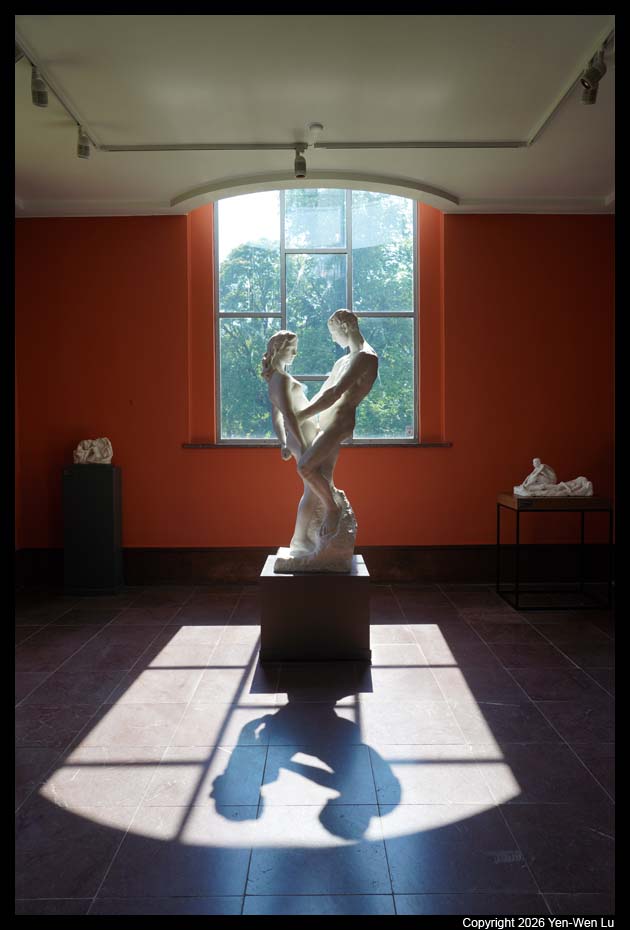
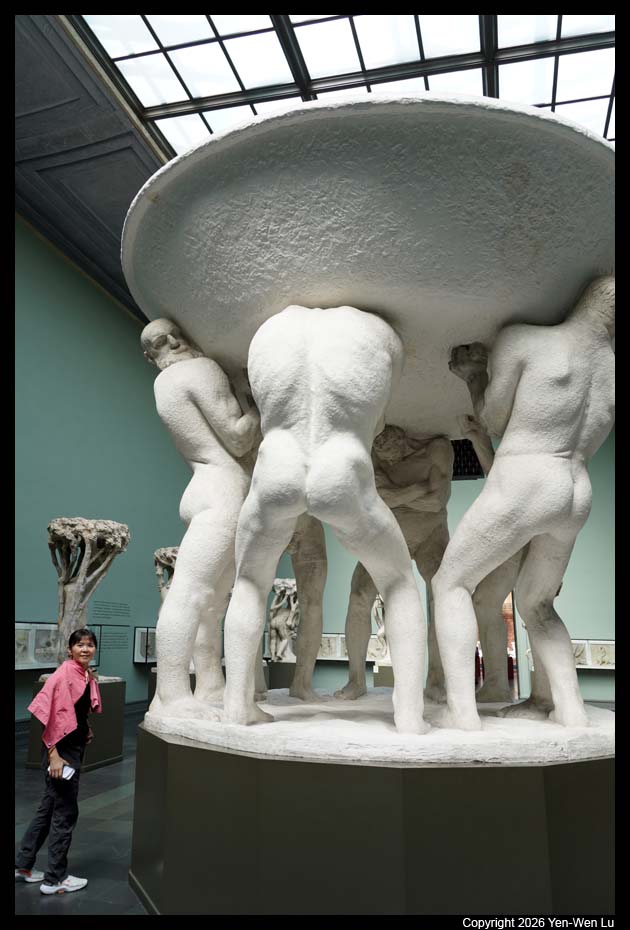
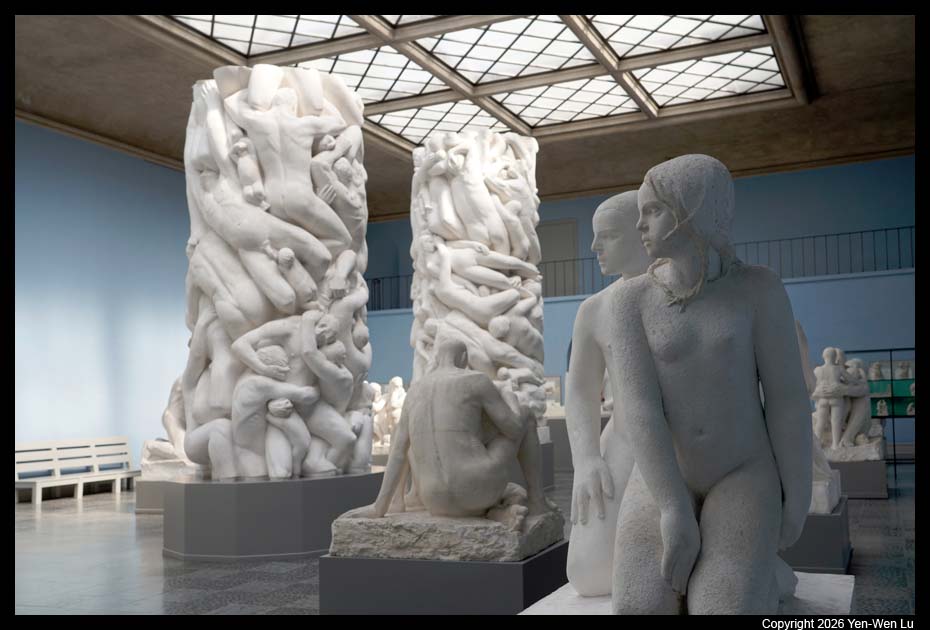
- Vigeland Museum
(Vigelandmuseet)
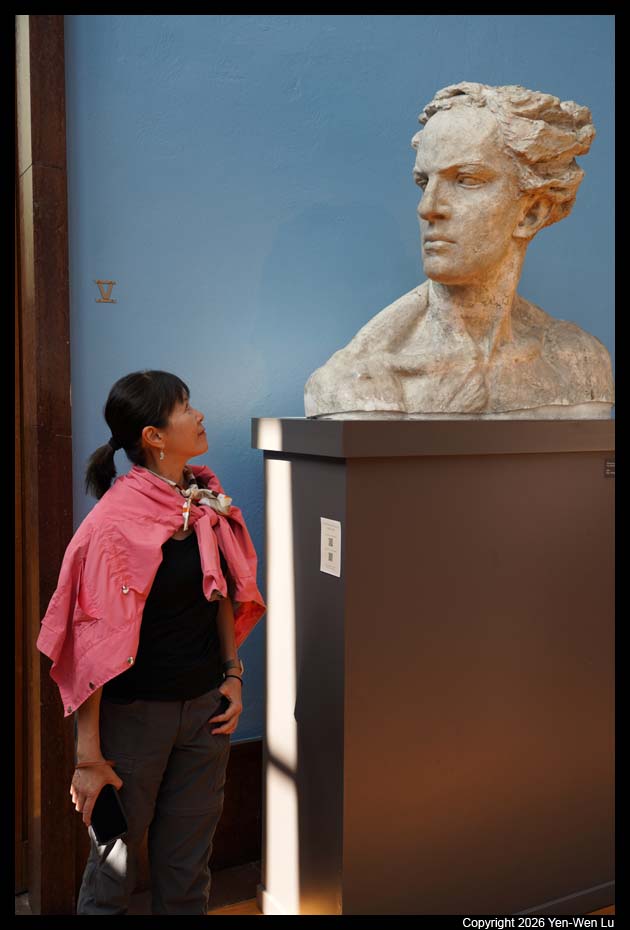
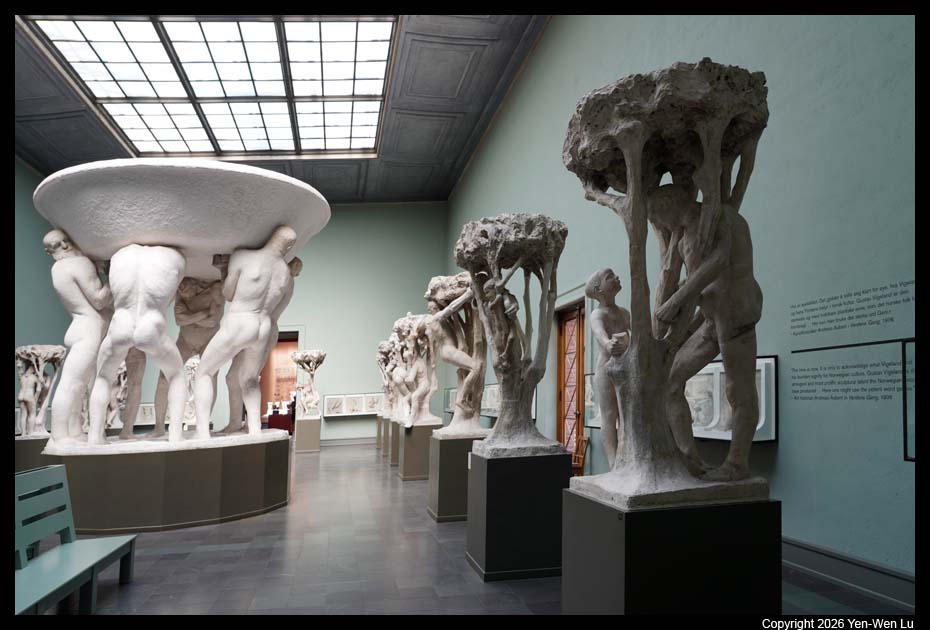
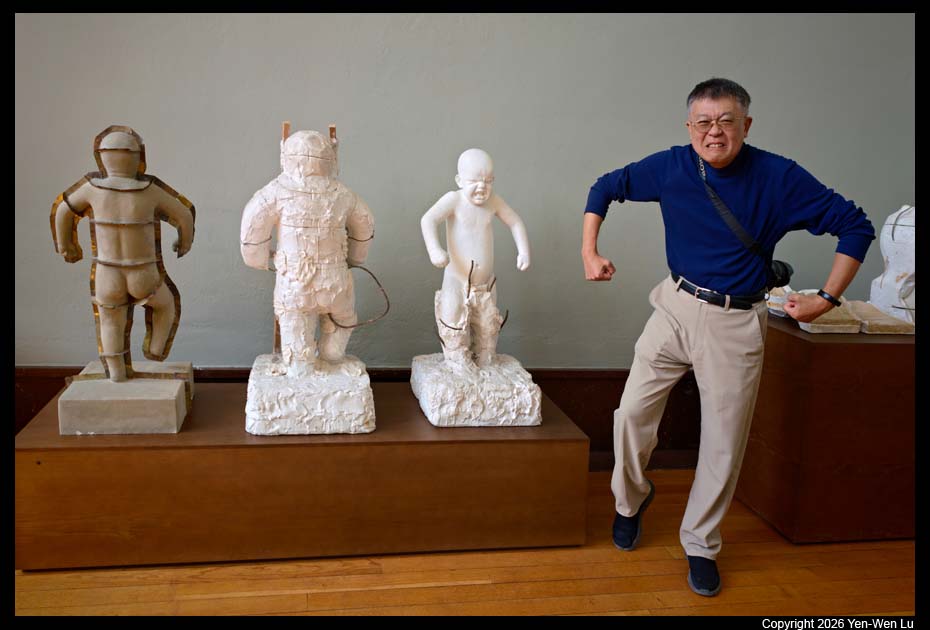
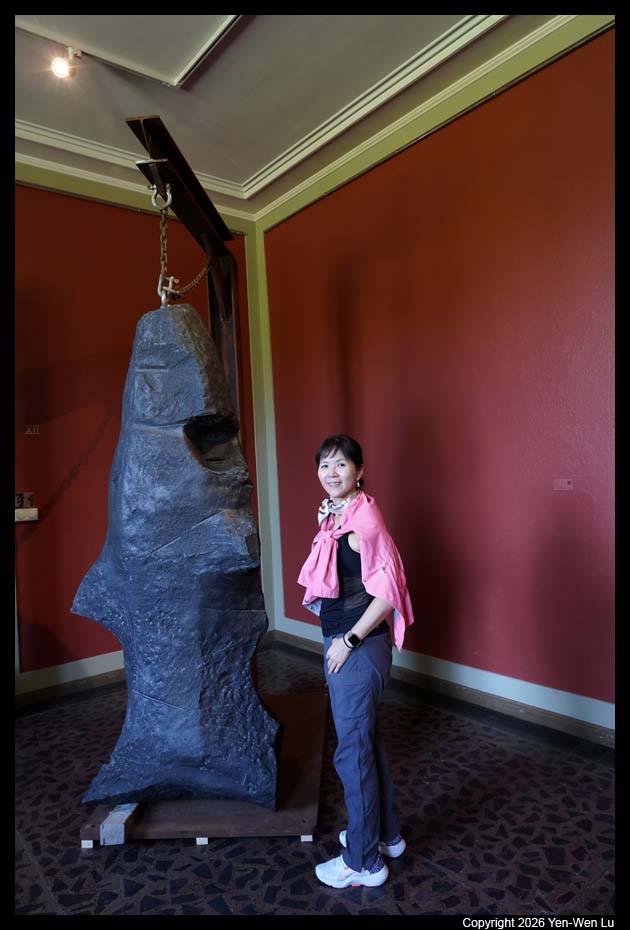
The Vigeland Museum (Vigelandmuseet) is a captivating art
museum dedicated entirely to Norway's most celebrated sculptor, Gustav
Vigeland. The museum is Vigeland's former studio and residence.
The Vigeland Museum's collection comprises 1600 sculptures, 12000 drawings and
400 woodcuts, in addition to pastels, wrought iron works and wood carving
works.
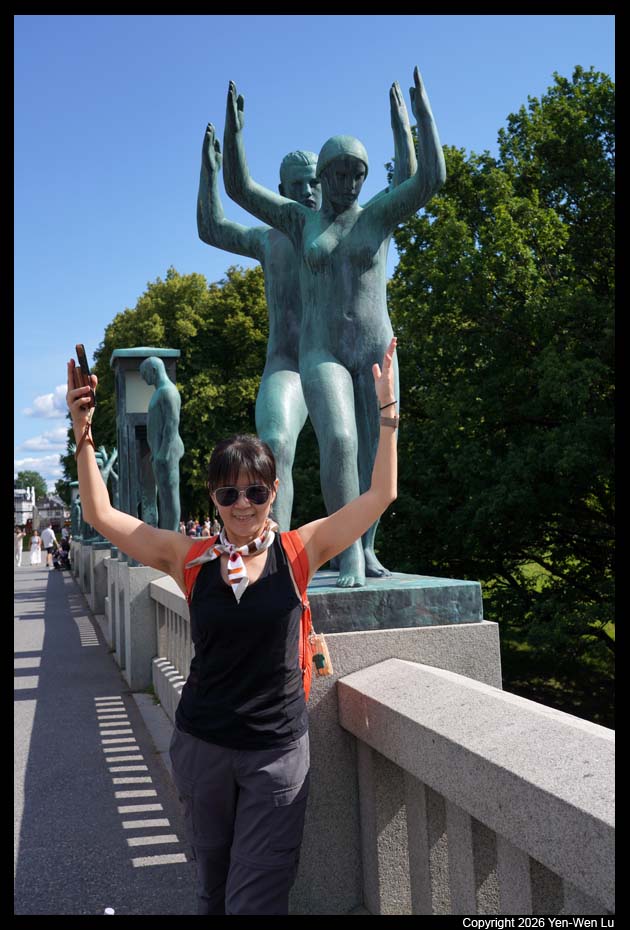
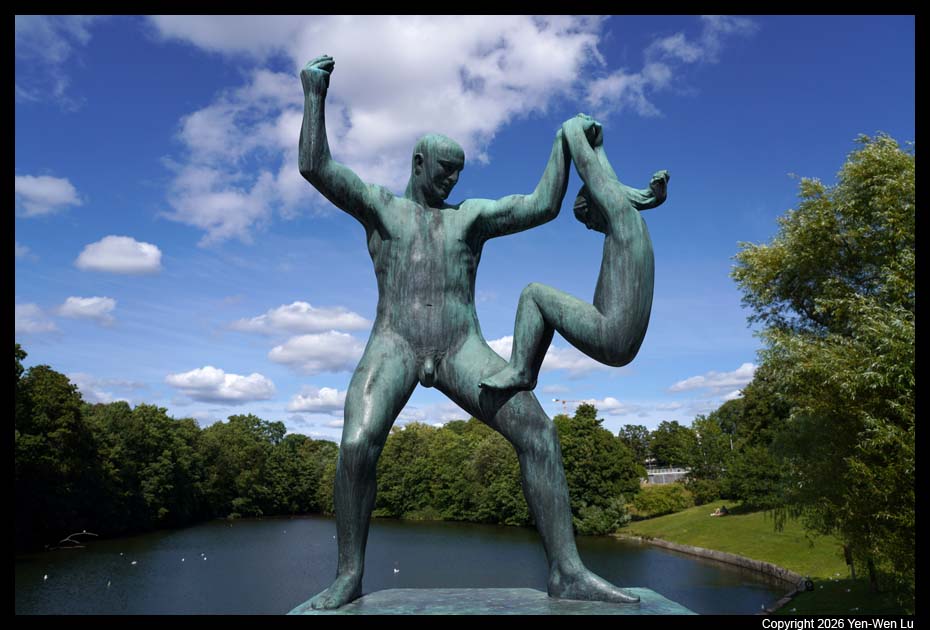
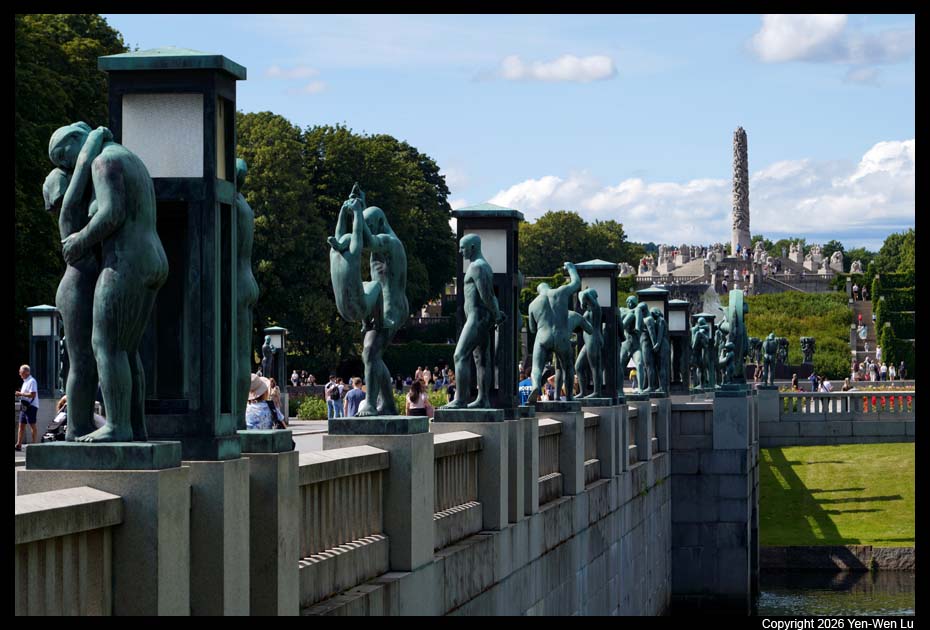
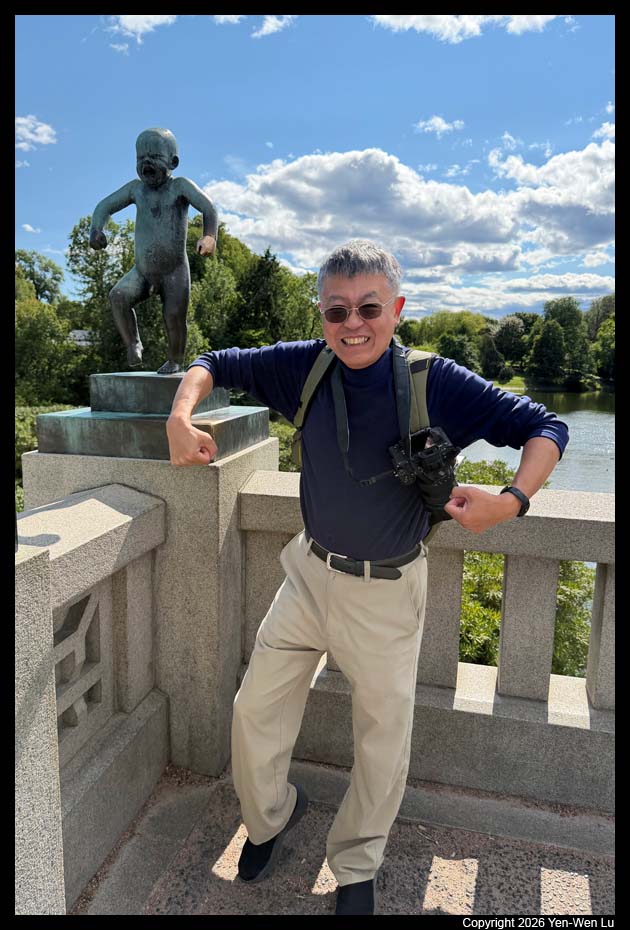
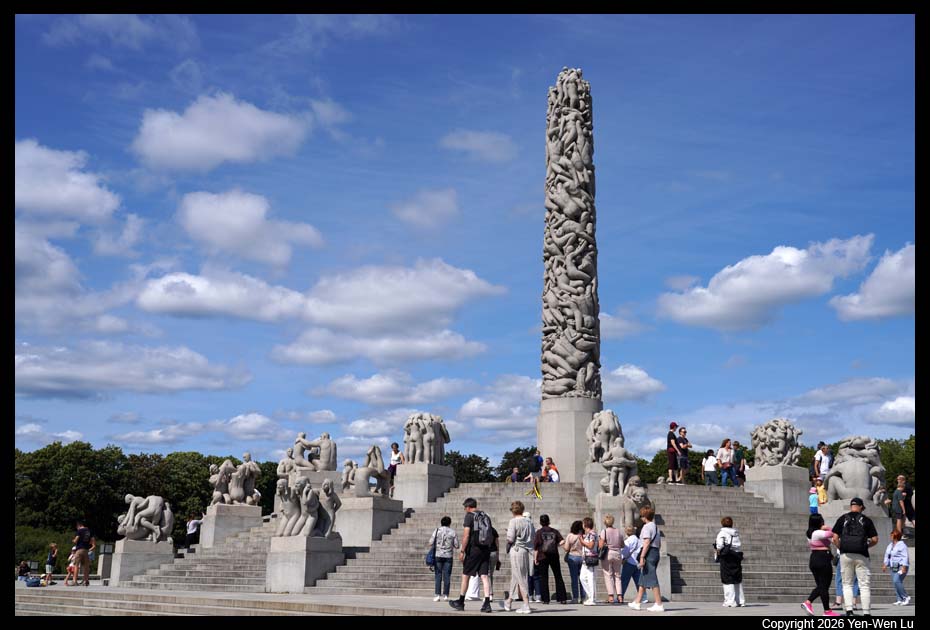
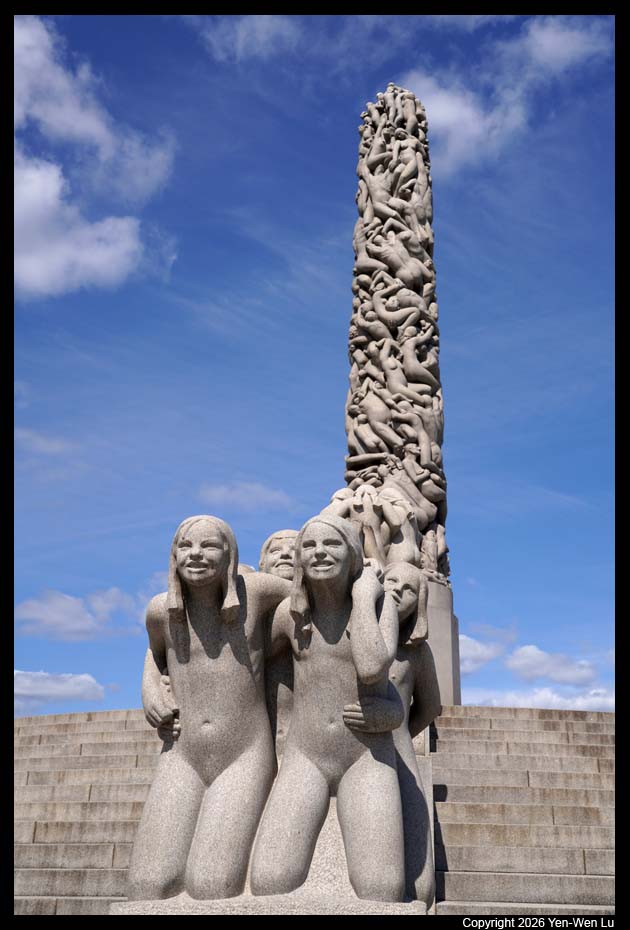
- Vigeland Park
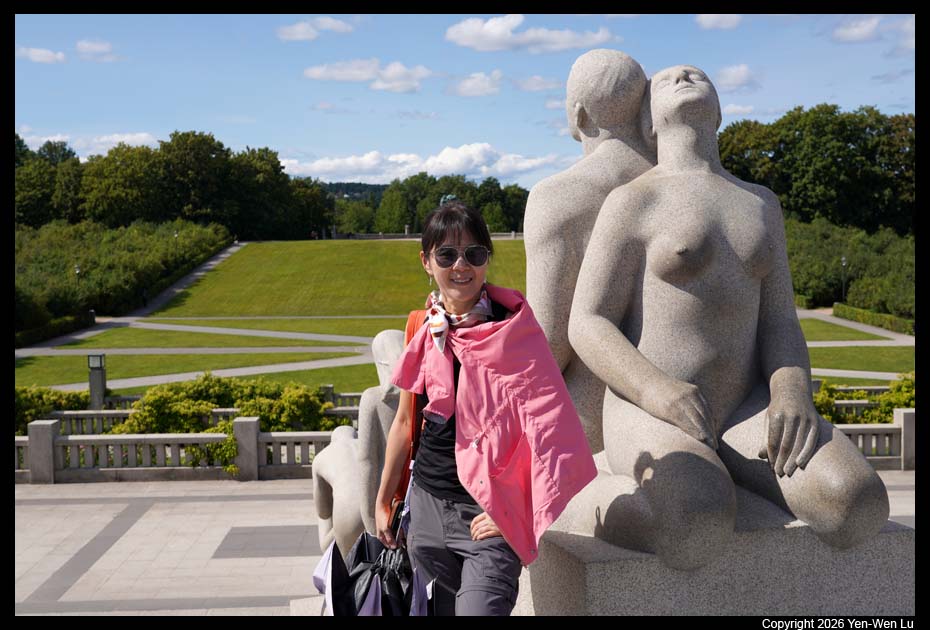
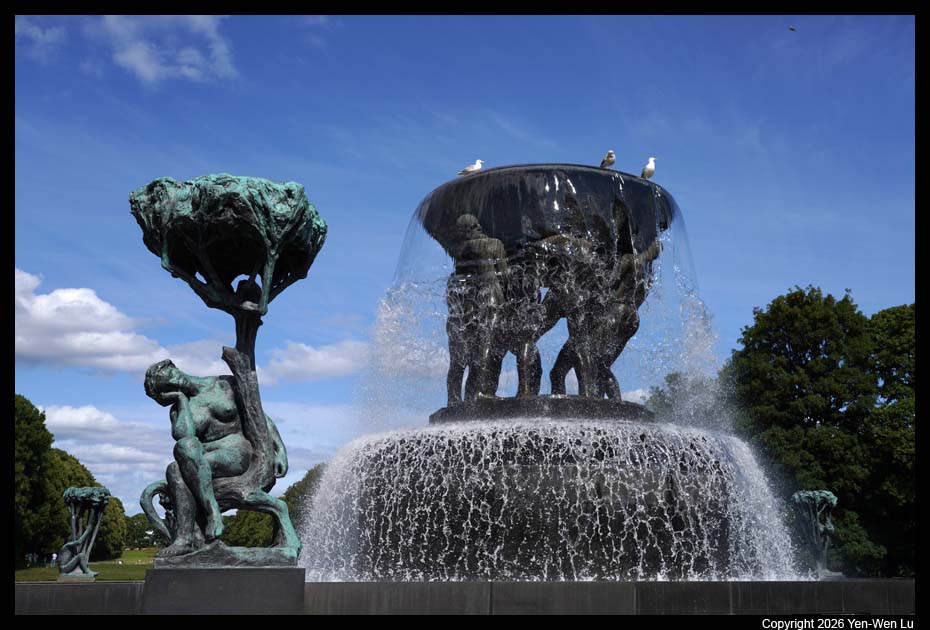
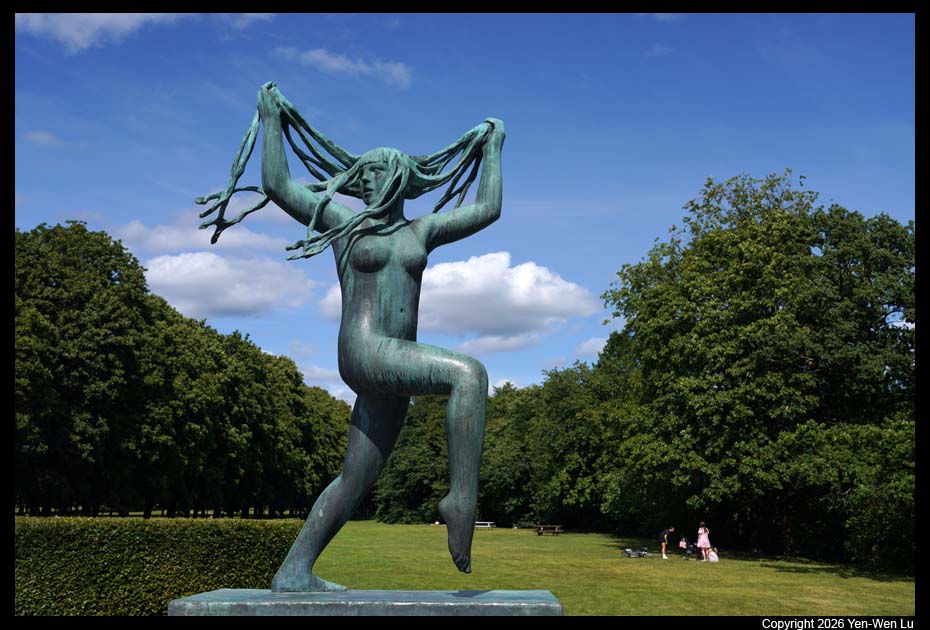
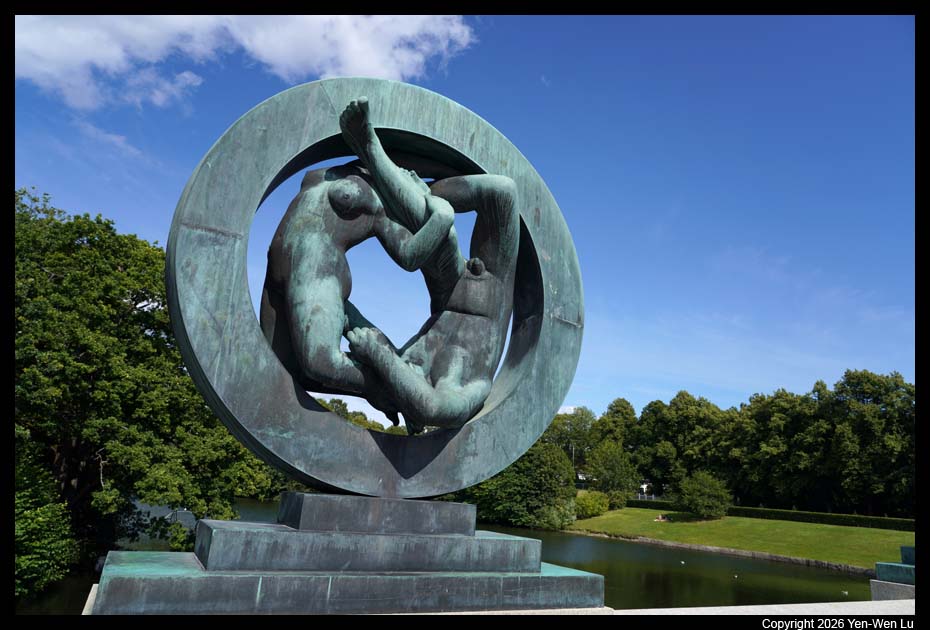
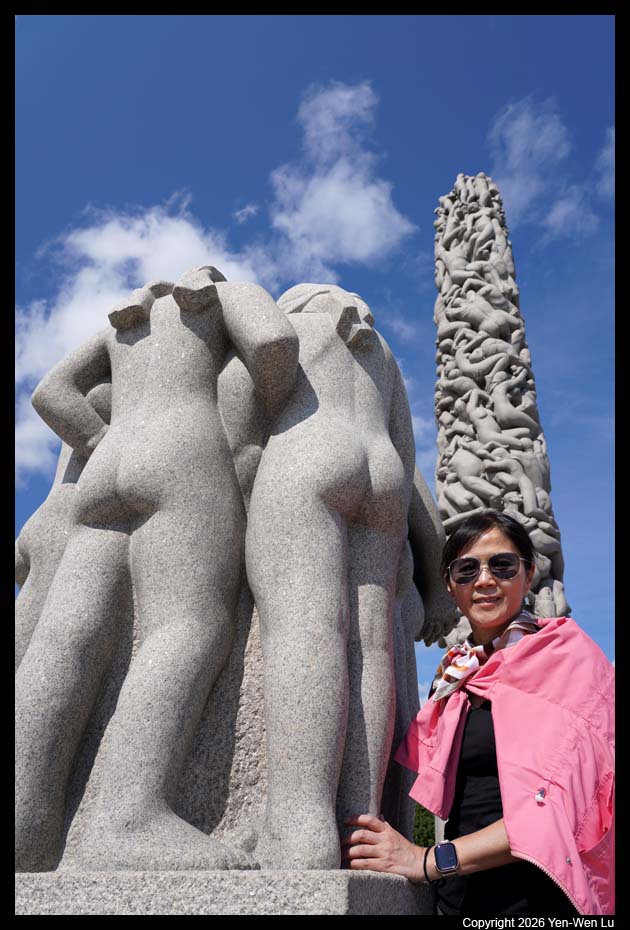
Vigeland Park (Vigelandsparken) is the world's largest
sculpture park created by a single artist. Located inside the larger Frogner
Park in Oslo, it features 212 granite and bronze sculptures designed by
Gustav Vigeland. We were glad that we visited the Vigeland Museum
first (although there was an entrance fee to the museum while the park was
free to everyone), so we could learn more about Vigeland and his works
(including many original plaster models ) before seeing his finished bronze
and granite masterpieces in the park.
[Oslo] [Stavanger--Bergen]
[Lofoten]
[Back to Photo Page]
[Gallery]