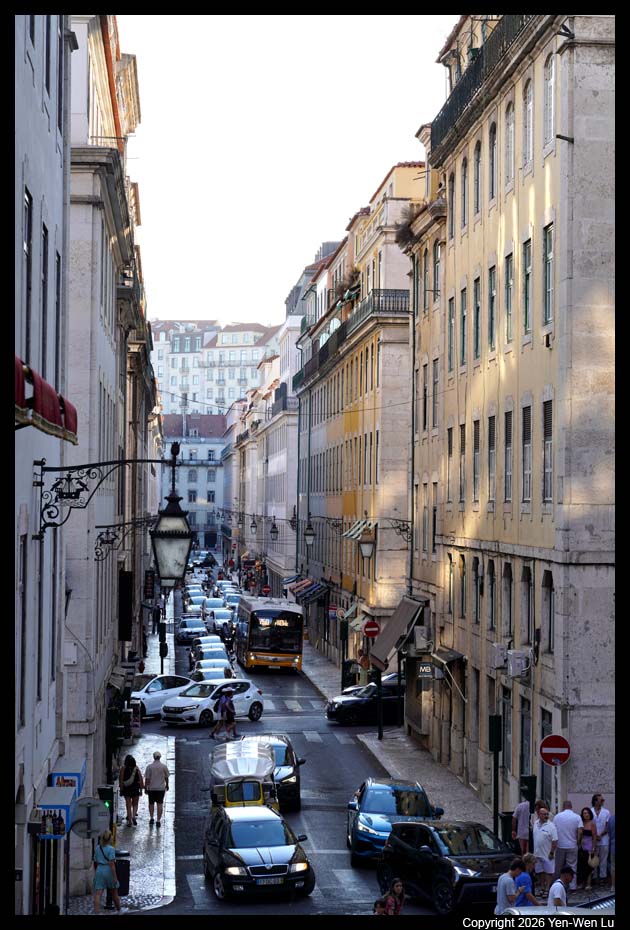
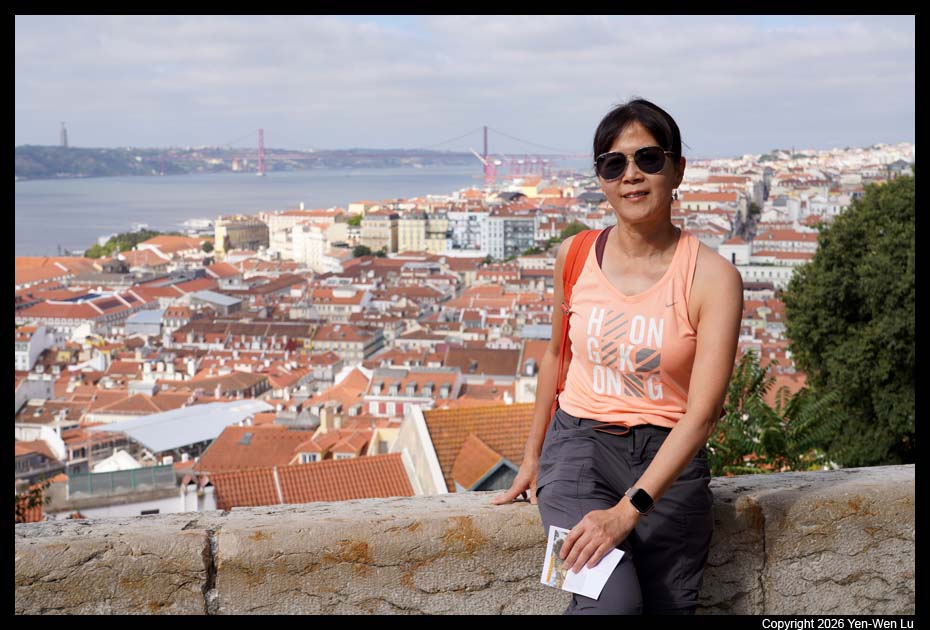
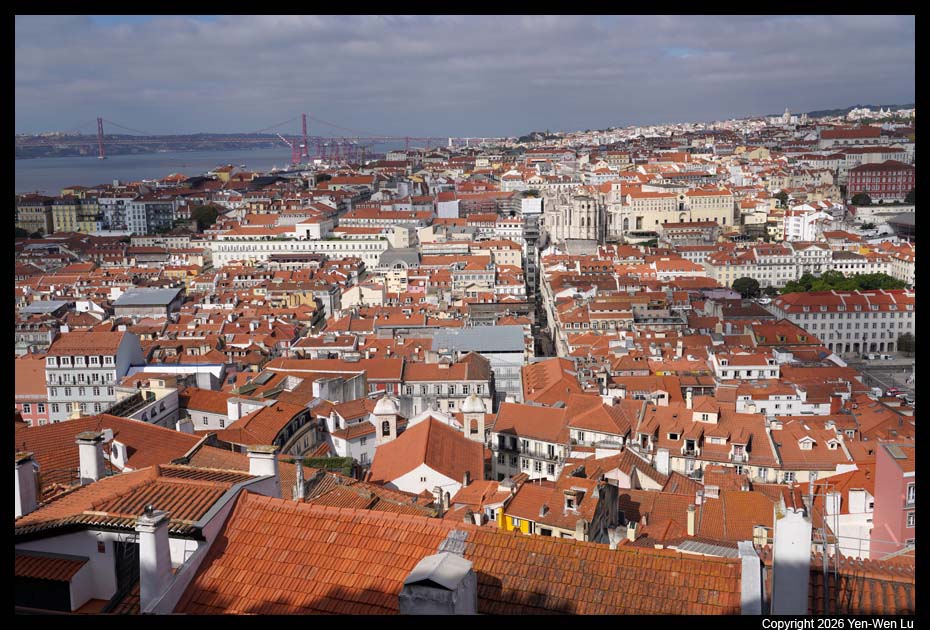
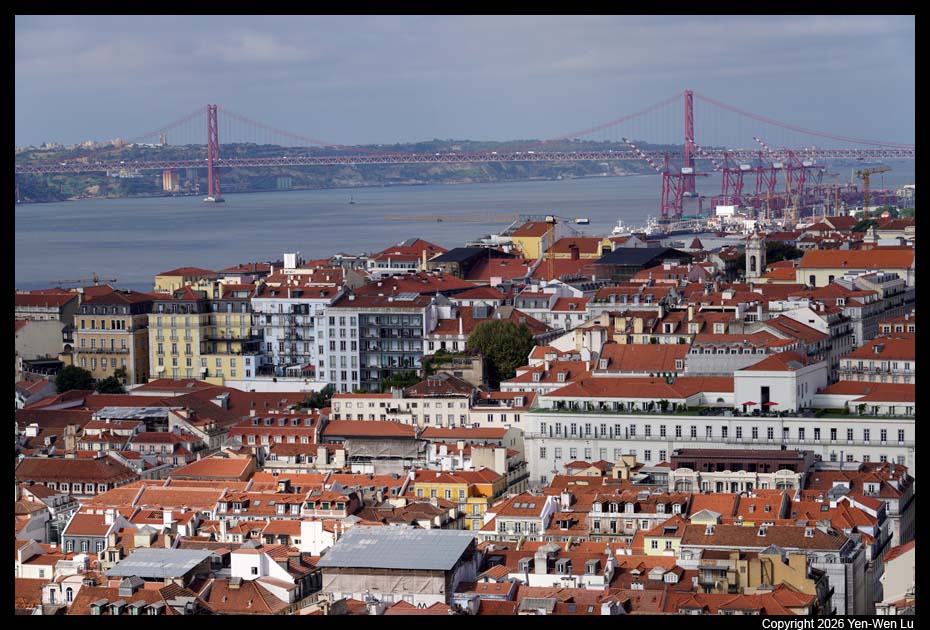
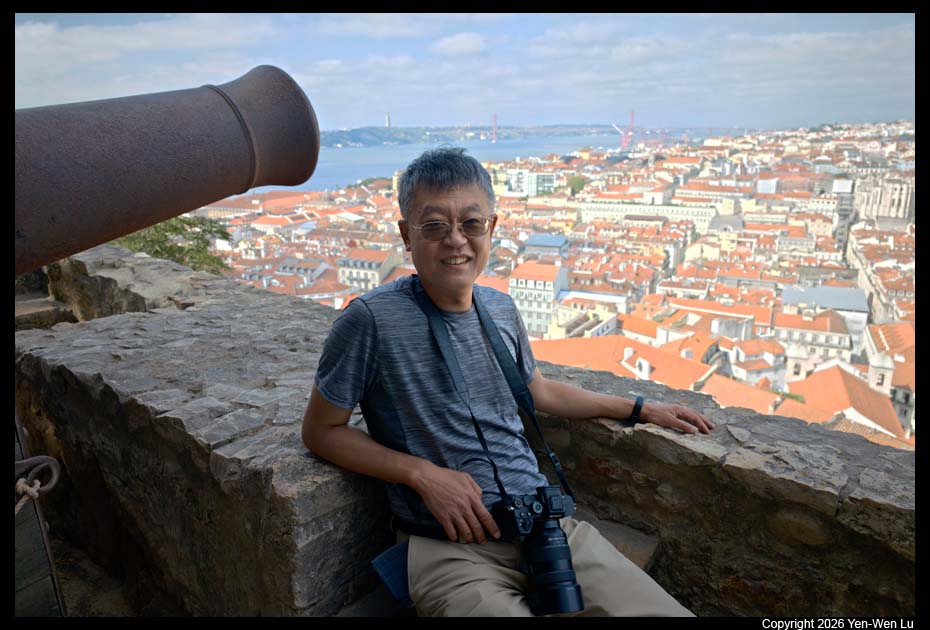
Lisbon (Lisboa in Portuguese) is the capital and most populous city of
Portugal, with an estimated population over 3 million within the metropolis in
2025. The city lies in the western portion of the Iberian Peninsula, on the
northern shore of the River Tagus. Lisbon is one of the oldest cities in
the world and the second-oldest European capital city (after Athens), predating
other modern European capitals by centuries. Sprawling across seven
dramatic hills overlooking the Tagus River estuary, the city is globally
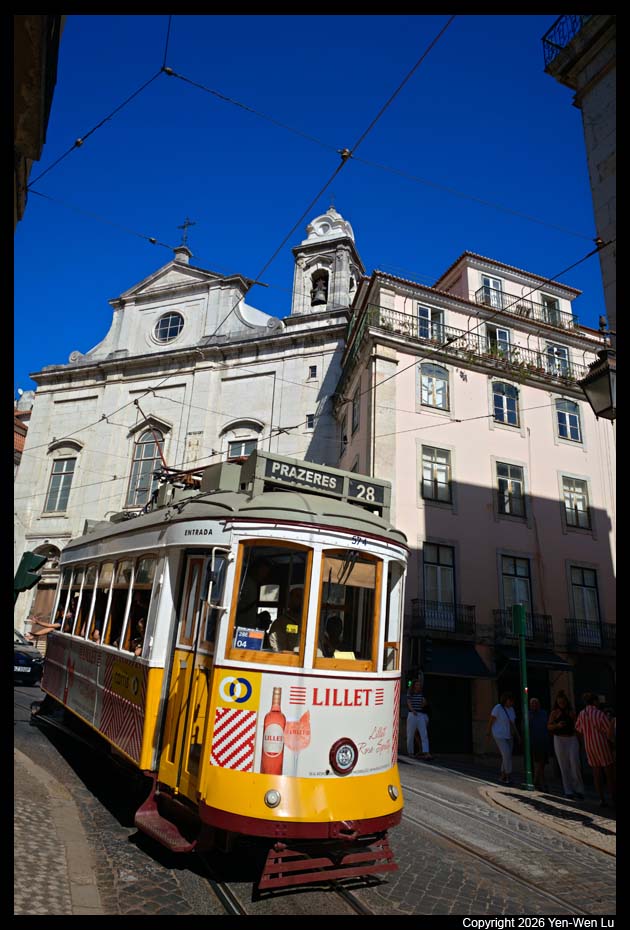
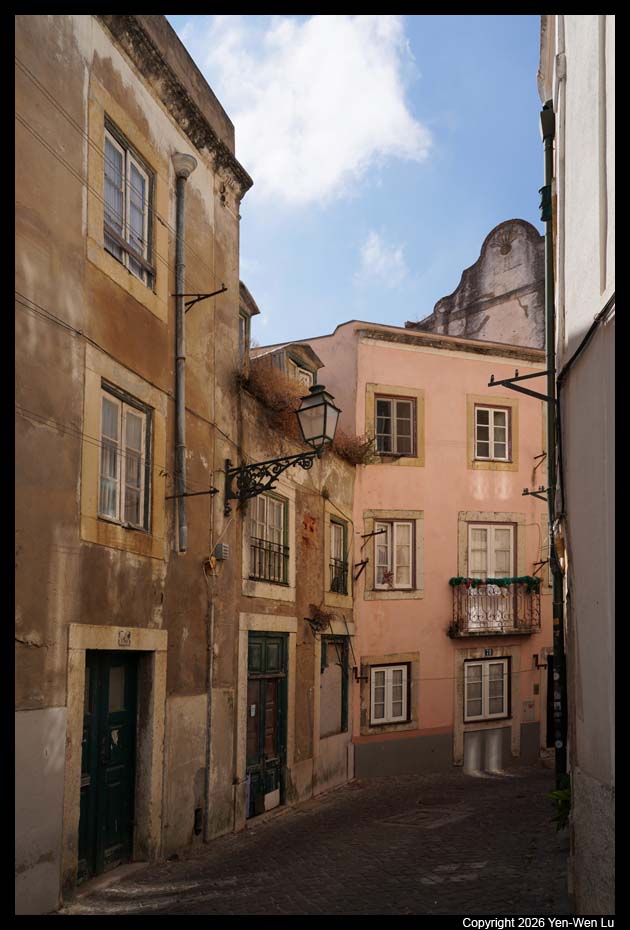
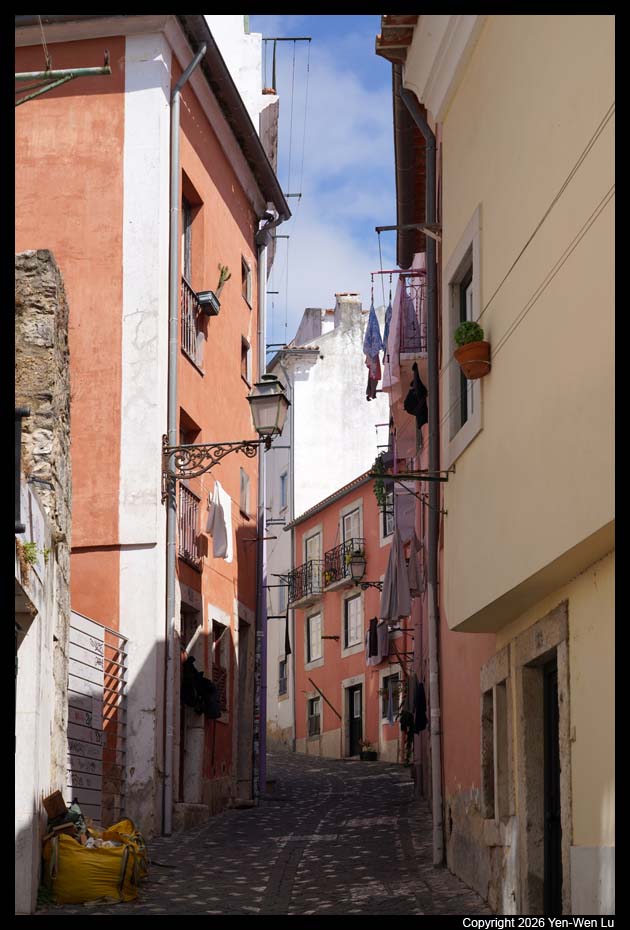
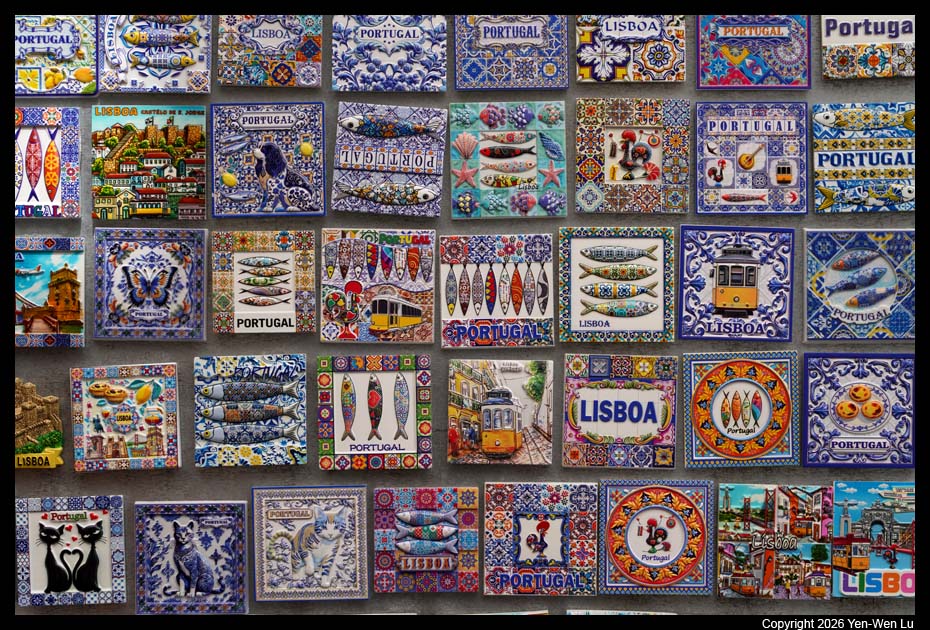
celebrated for its pastel-colored buildings, striking azulejo ceramic tiles,
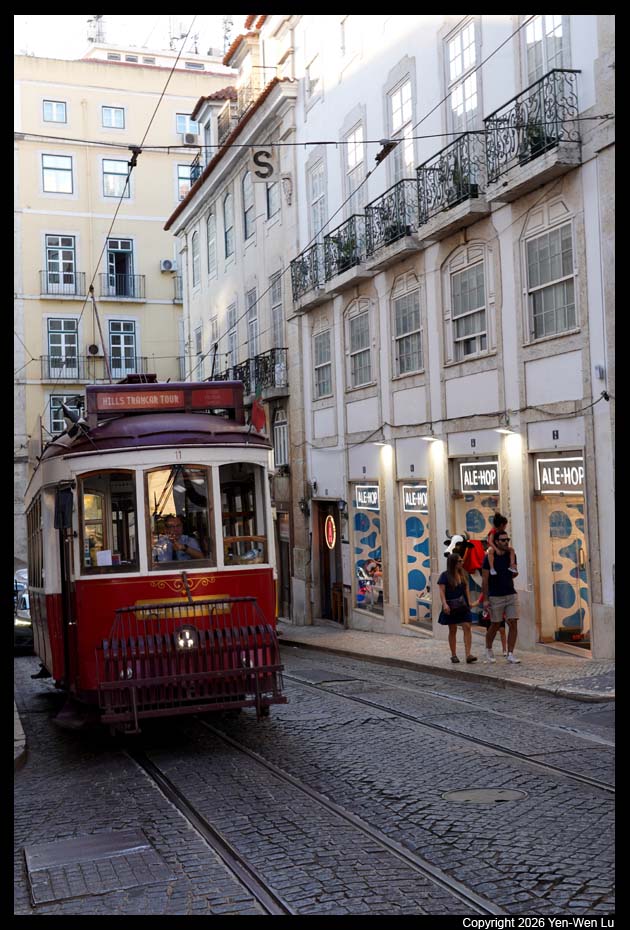
historic yellow trams, and an unbeatable culinary scene.
Getting there ...
Continuing from our solar eclipse trip from
Mallorca, Spain, we had a
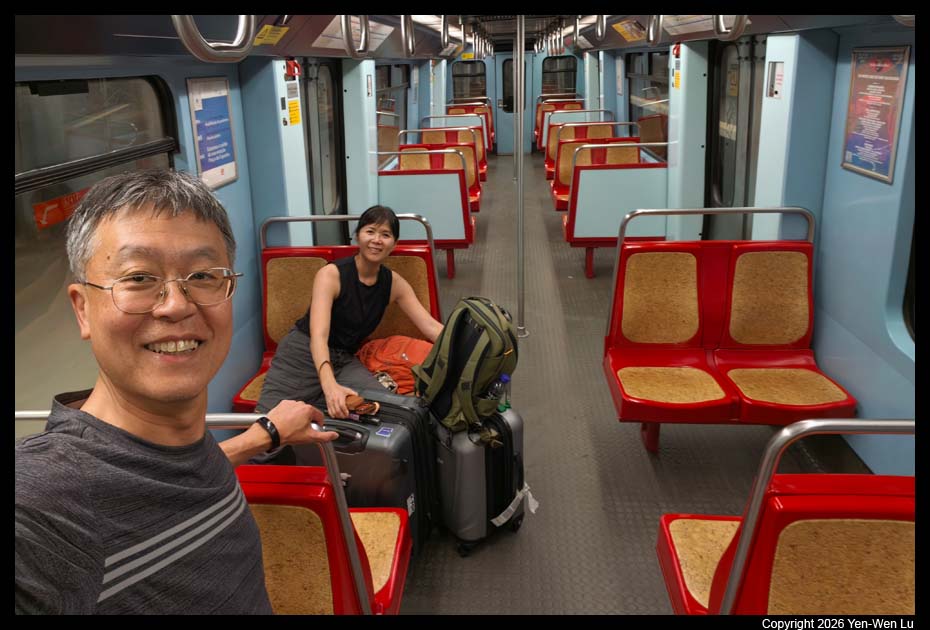
flight from Palma (10AM) to Lisbon (11:05AM). Getting to Lisbon city
from the airport by Metro was very easy and cheap. It was a short walk
from Rossio metro station to our apartment hotel (Grape
Harbor Prata Apartments) in the Baixa district.
Day 1 (8/13) ...
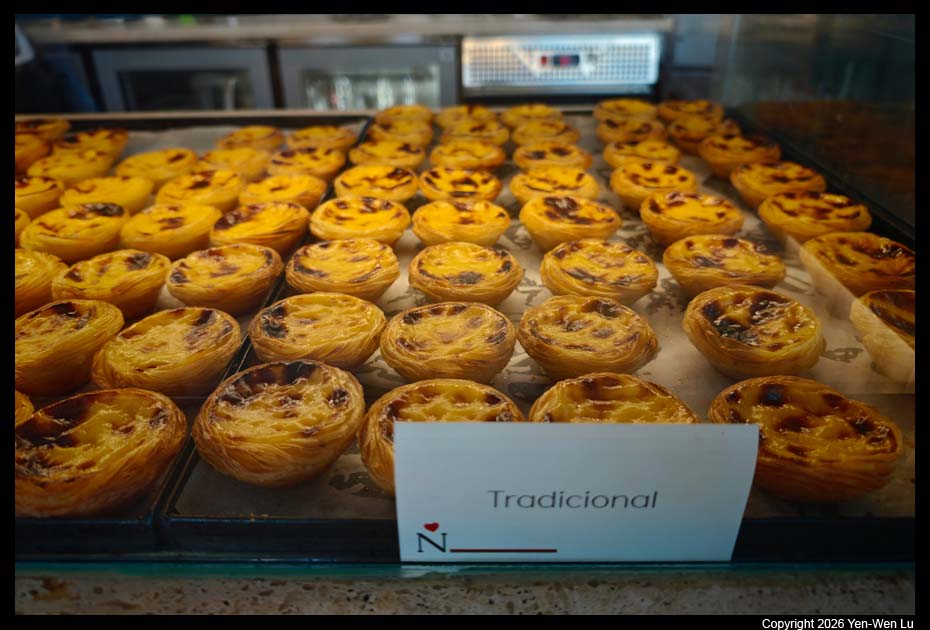
- Lunch & Desert
After checked in to the hotel (luckily our room was
ready for early check-in), we walked to the nearby streets for lunch (O Arco
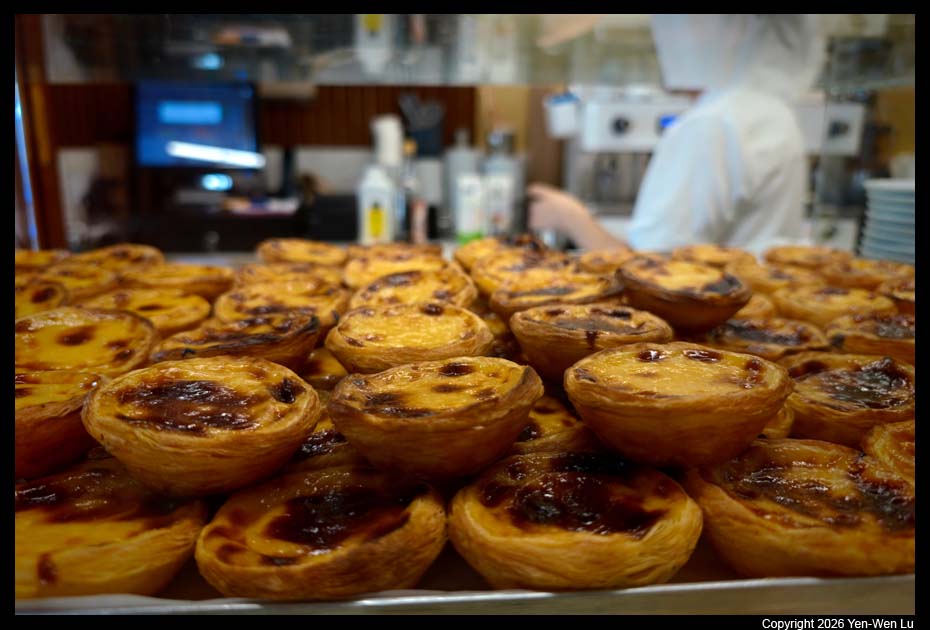
Marisqueira), and bought a few pastel de nata, the iconic Portuguese egg
custard tart, from 2 different pastry shops (Nat'elier and Manteigaria) to
take back to the hotel room for our afternoon coffee snack.
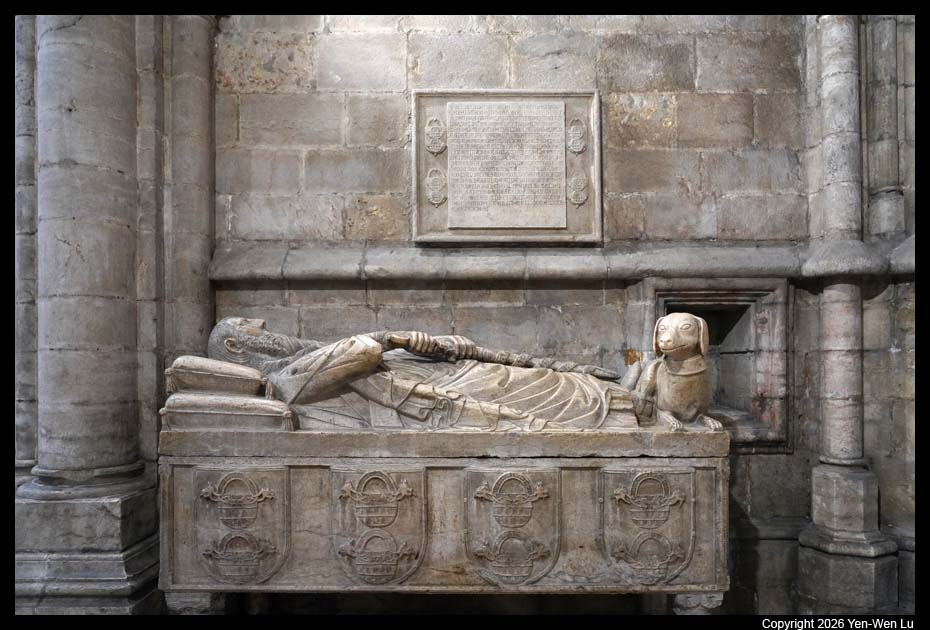
- Lisbon Cathedral
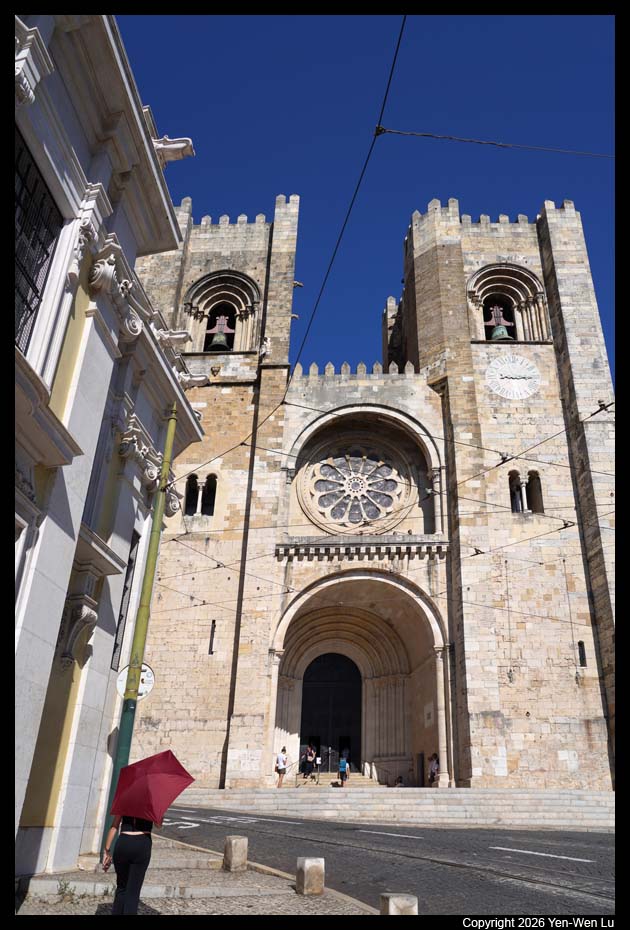
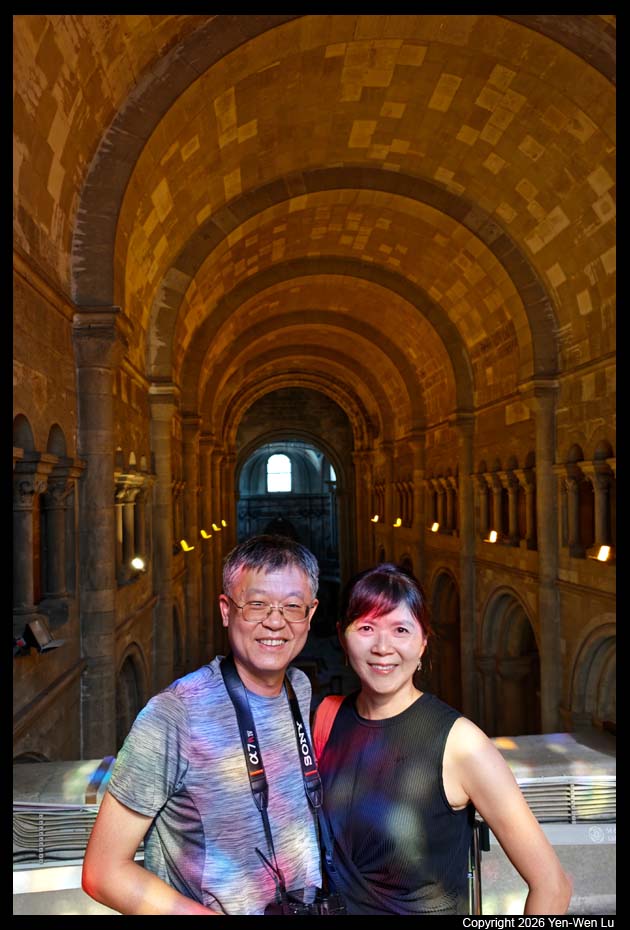
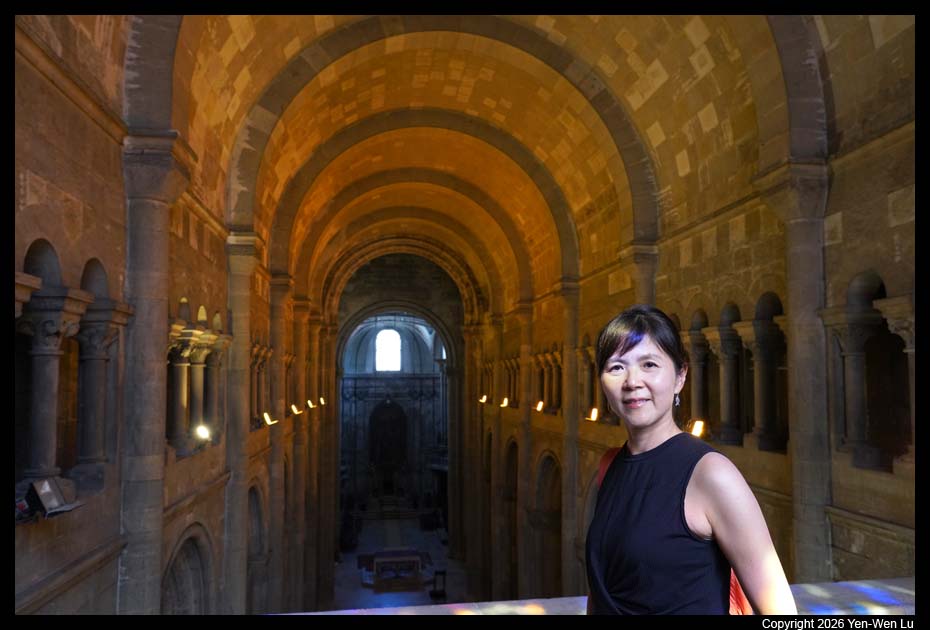
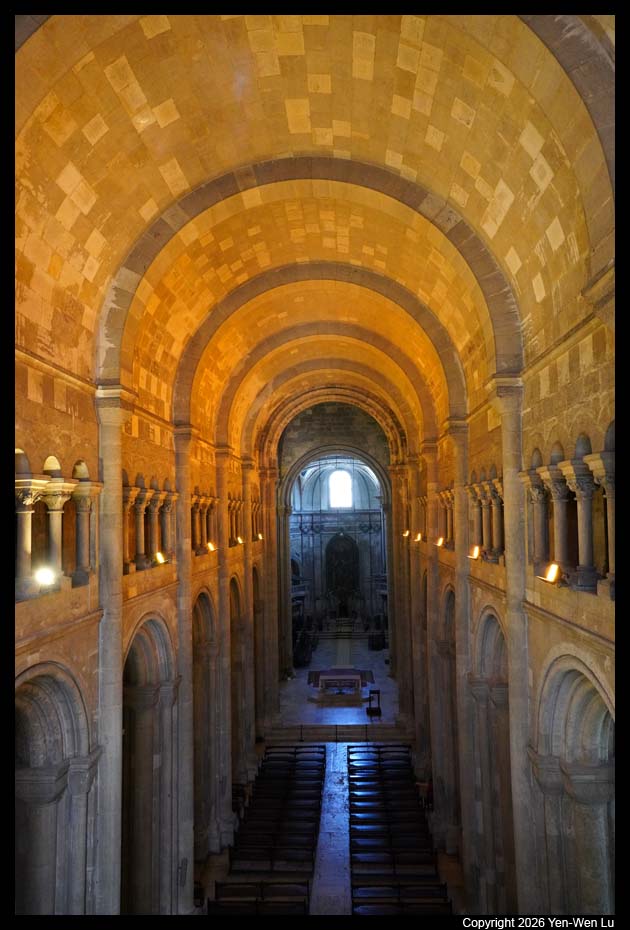
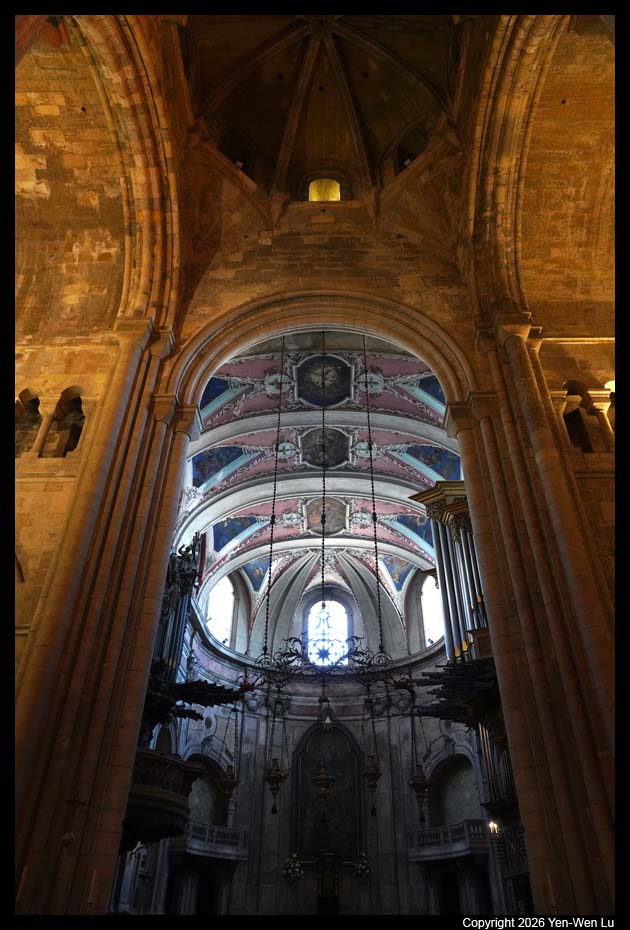
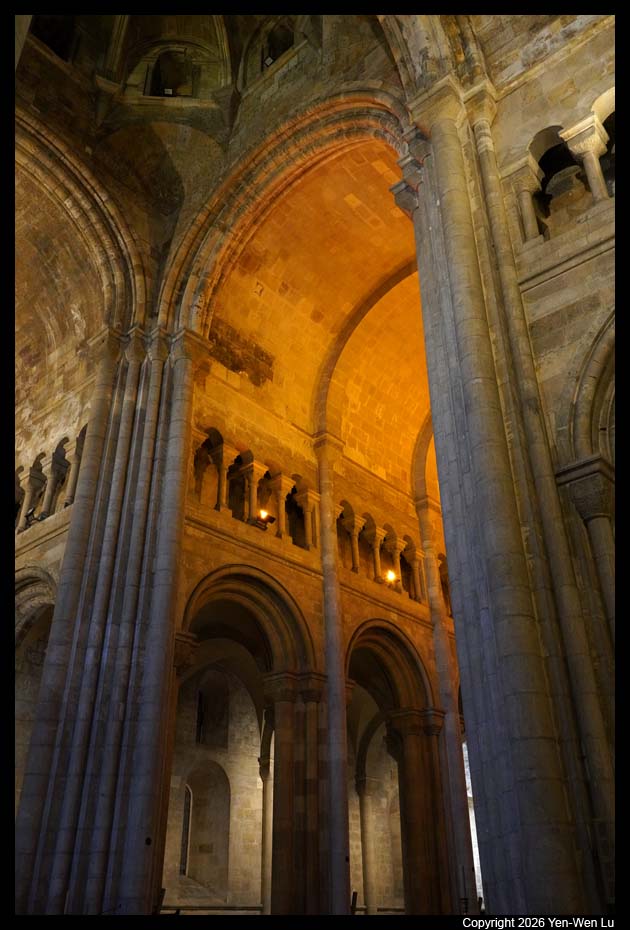
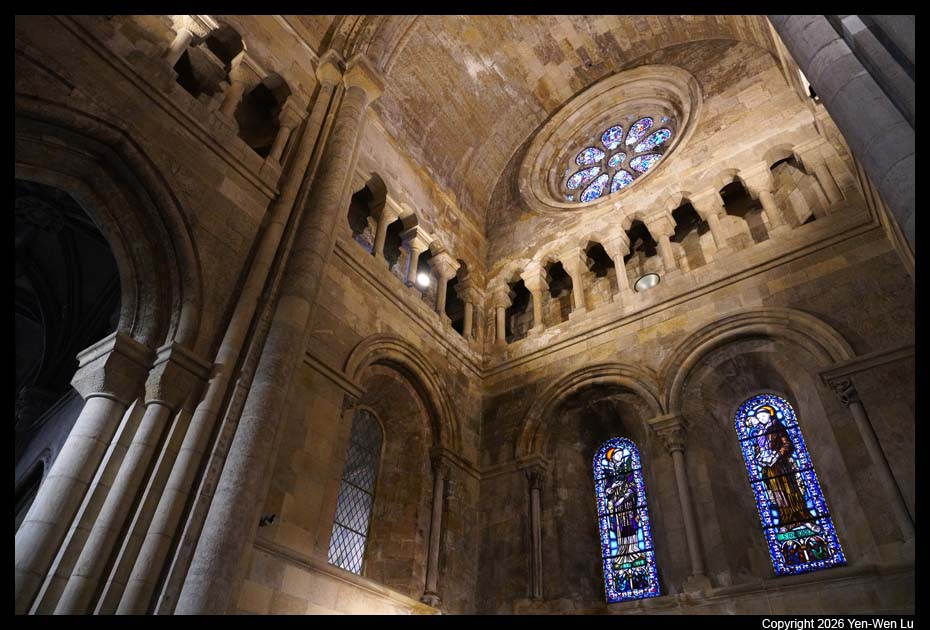
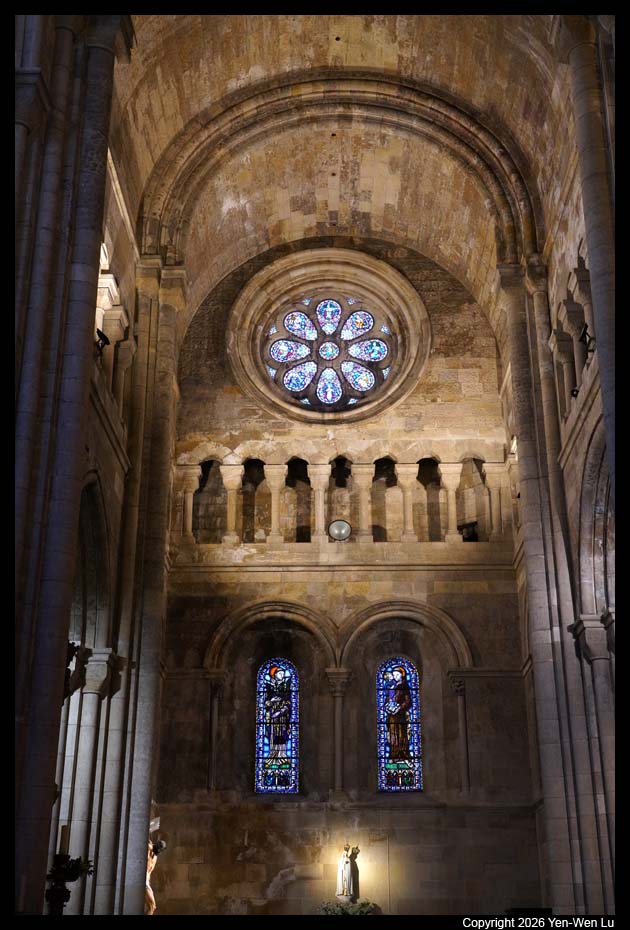
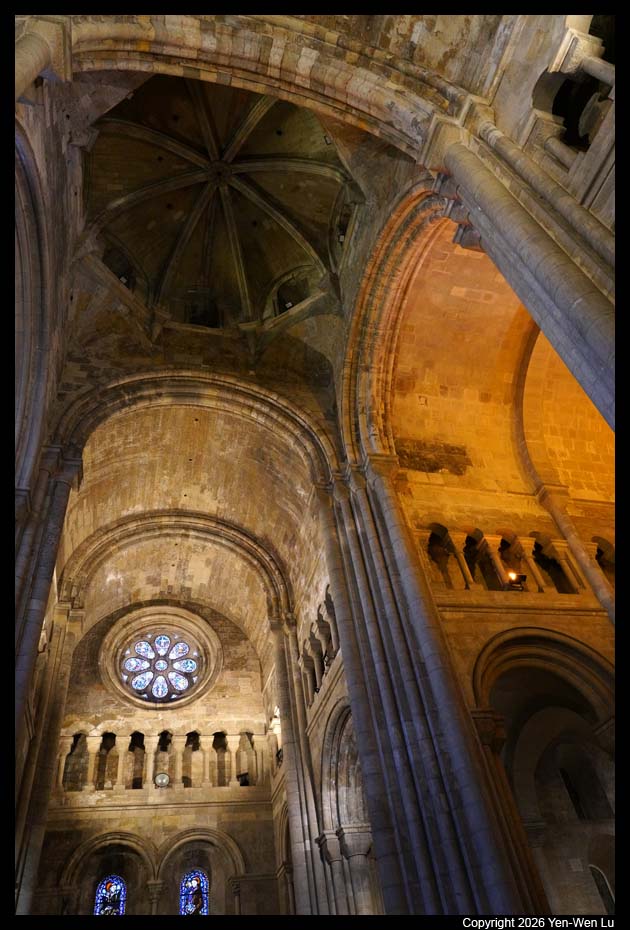
The Lisbon Cathedral, often called the Sé de Lisboa,
is the oldest and most important church in the city. Built in 1147 after
Christian forces reclaimed the city from the Moors, this iconic landmark
resembles a medieval fortress with its massive twin towers and battlements.
The cathedral has survived many earthquakes and has been modified, renovated
and restored several times, resulting in a mix of different architectural
styles.
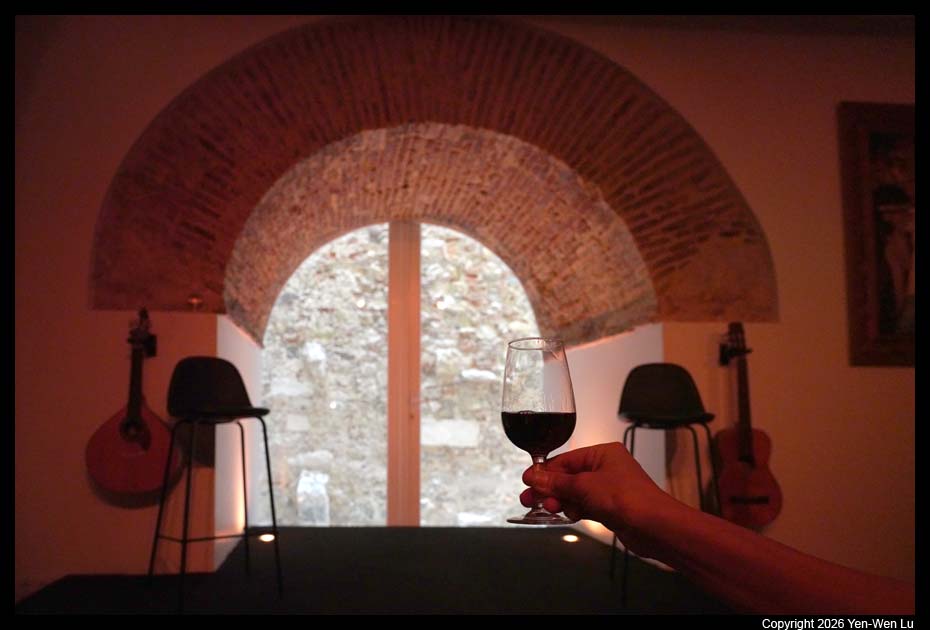
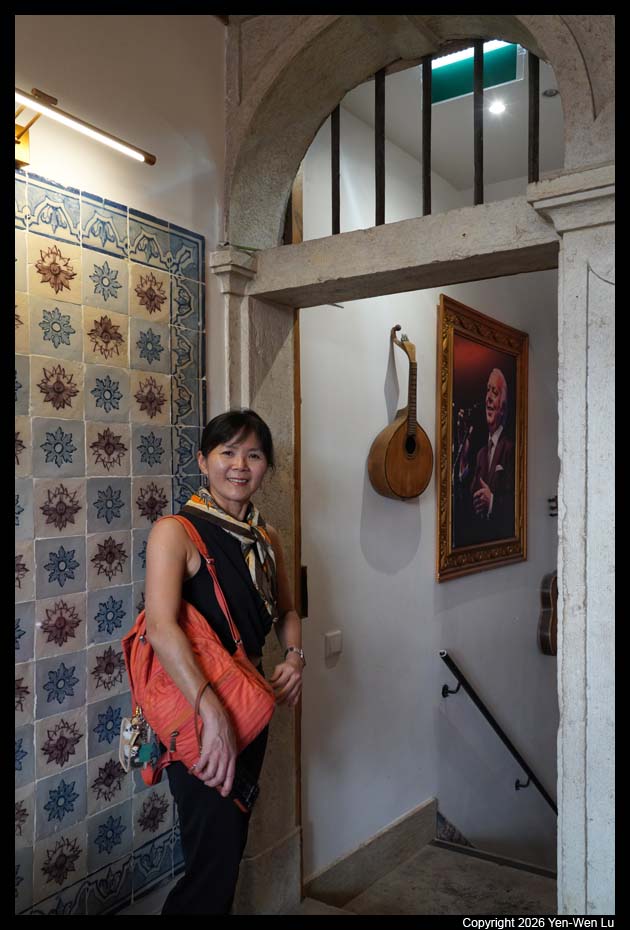
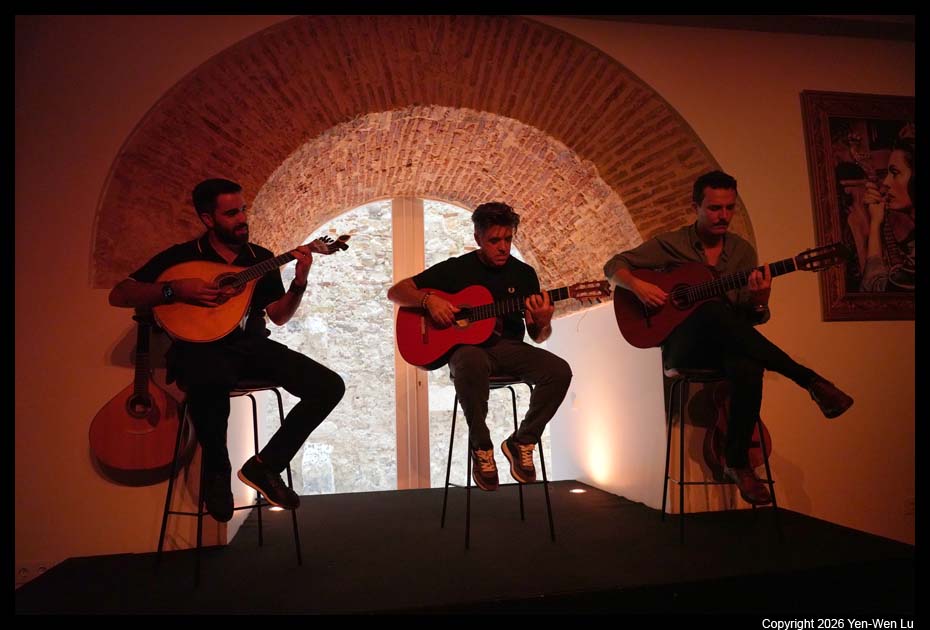
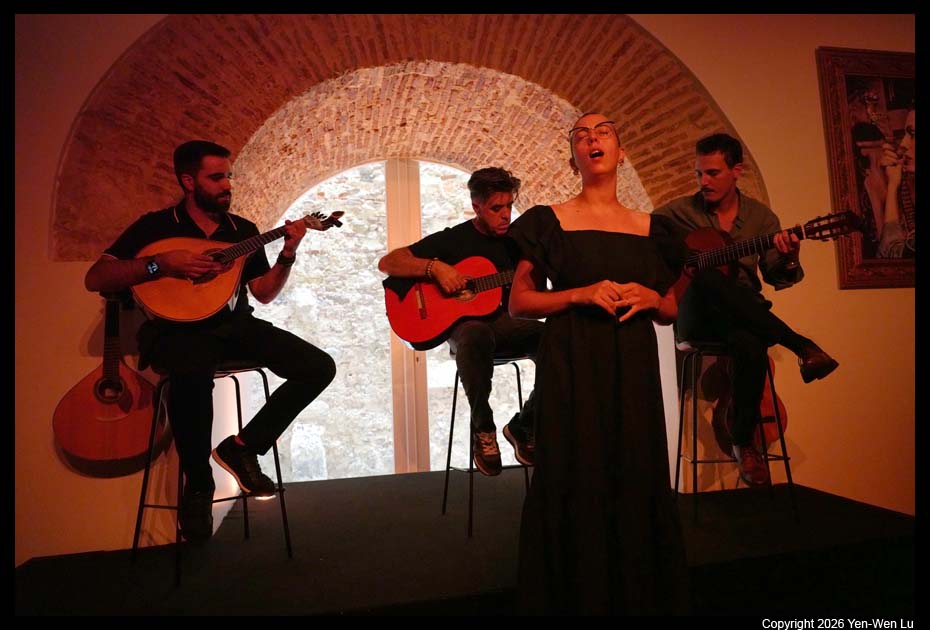
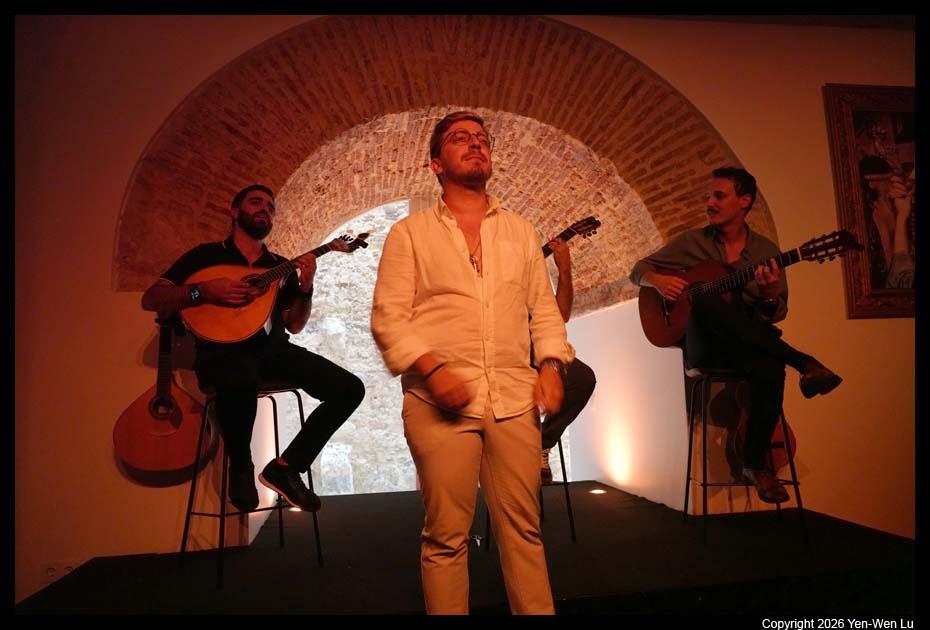
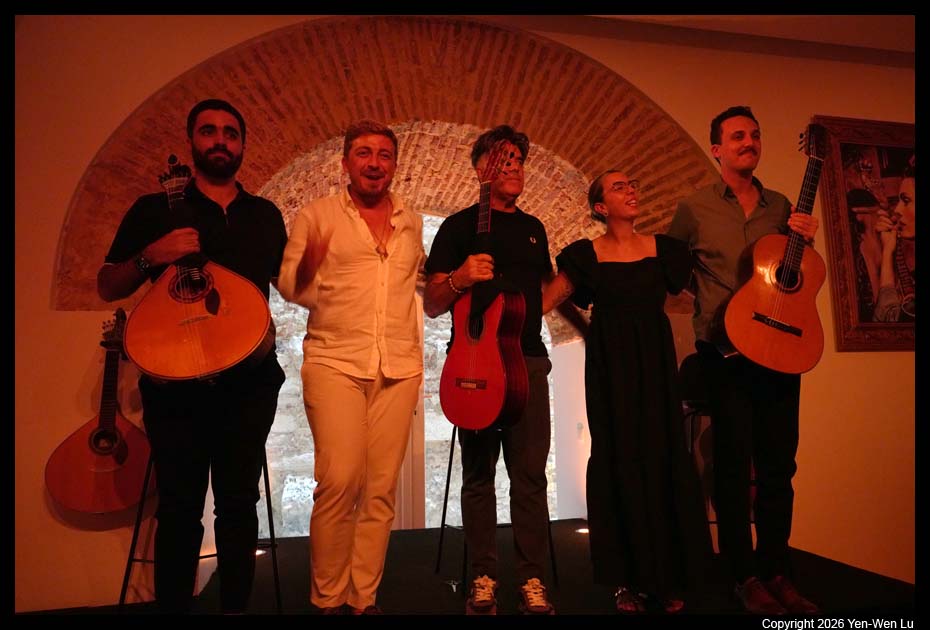
- Fado e Fado Sé
I booked a
Fado show at 6:30PM at Fado e Fado Sé, a venue steeped in history, featuring
the ancient stone arches of the city’s medieval wall and the old sea gate,
dating back to the 11th century. Fado is the soulful musical heart of
Portugal. Characterized by mournful, passionate melodies, it expresses
saudade—a uniquely Portuguese feeling of deep longing, nostalgia,
melancholy, and fate.
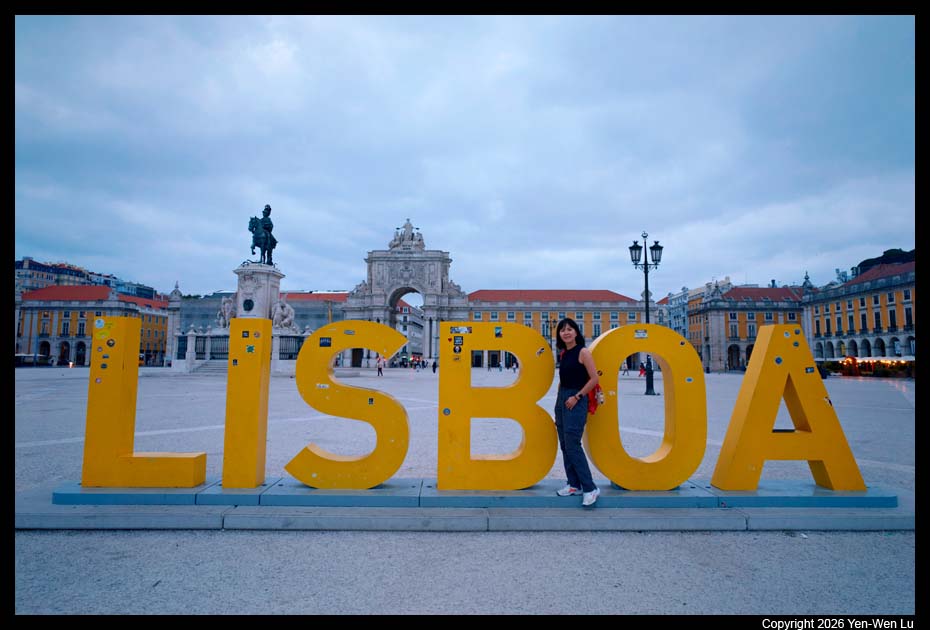
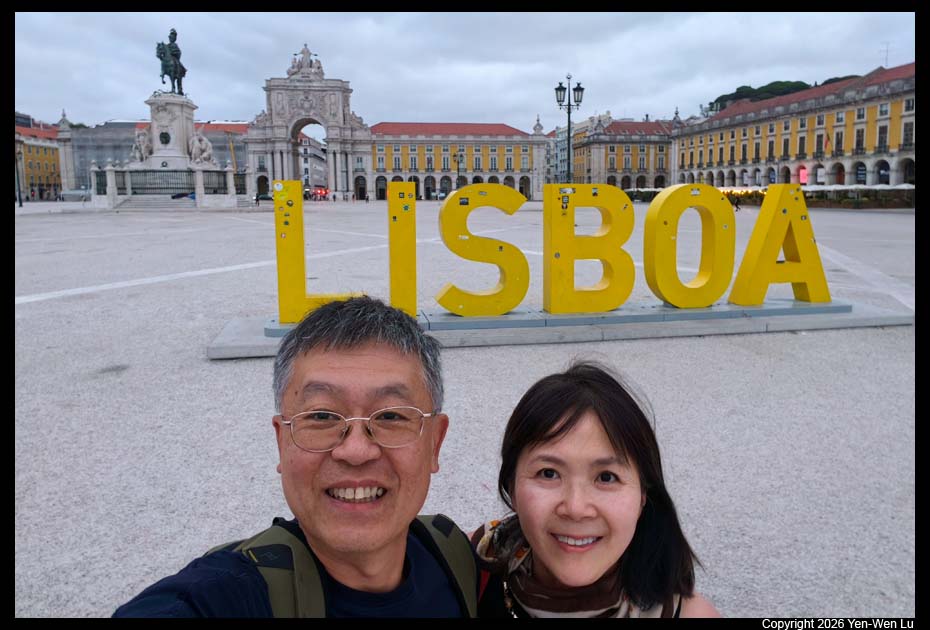
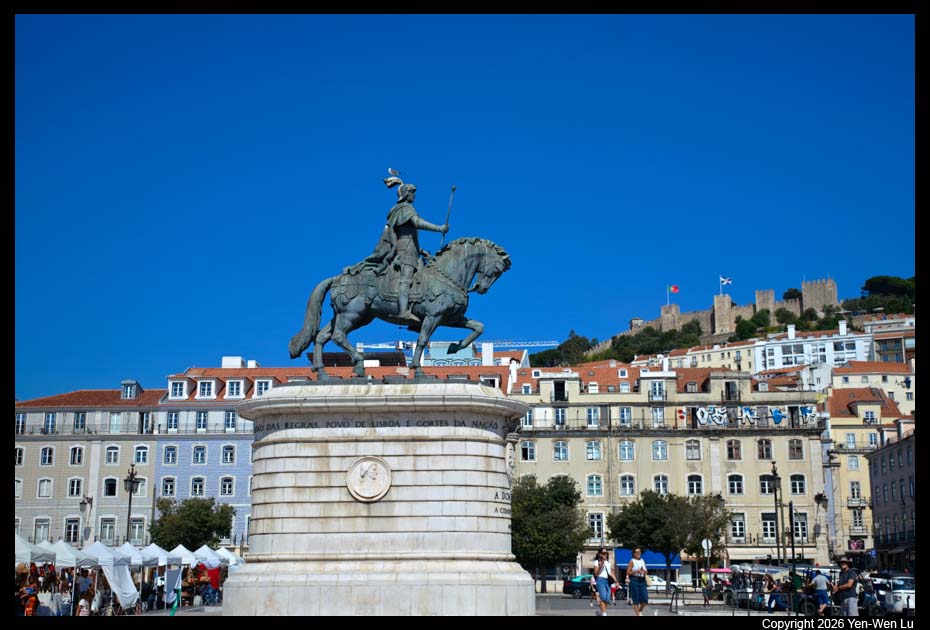
- Praça do Comércio (Commerce Square)
After dinner (Taverna alfacinha),
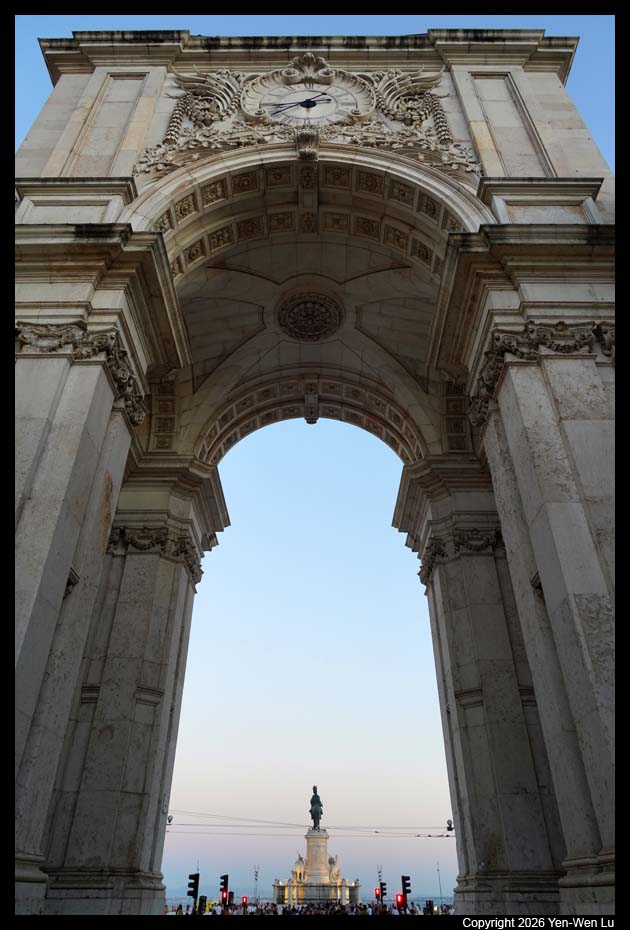
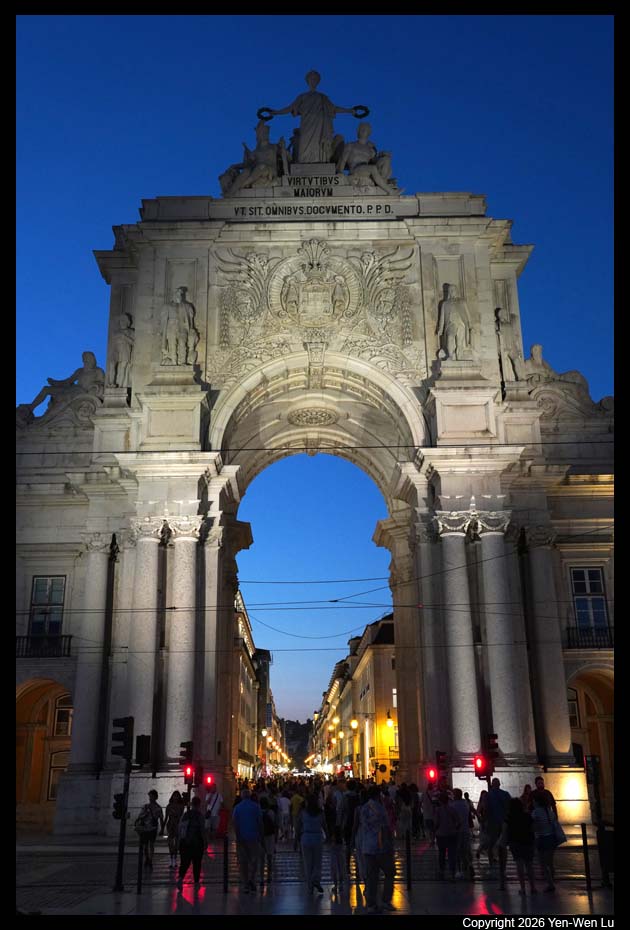
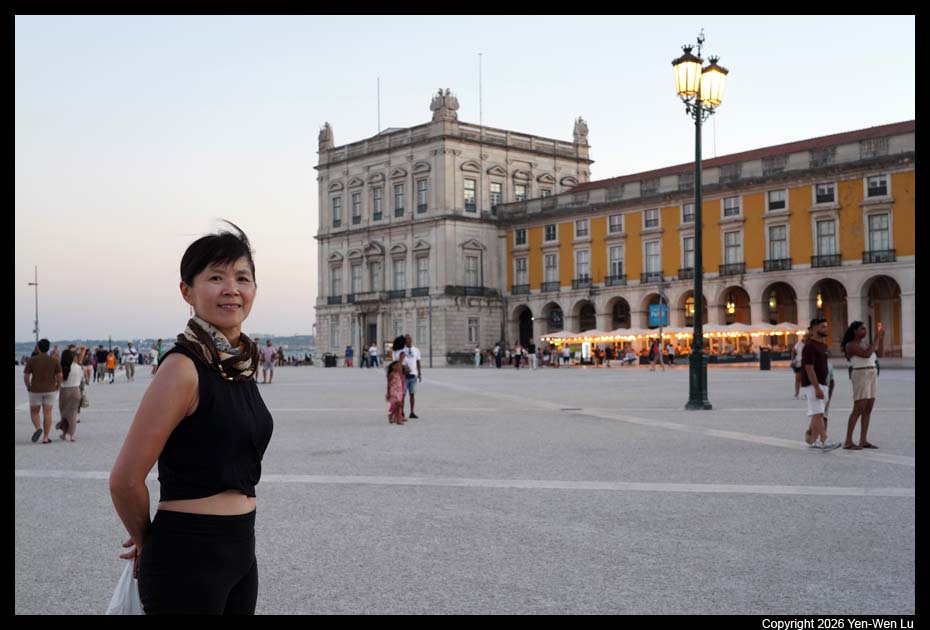
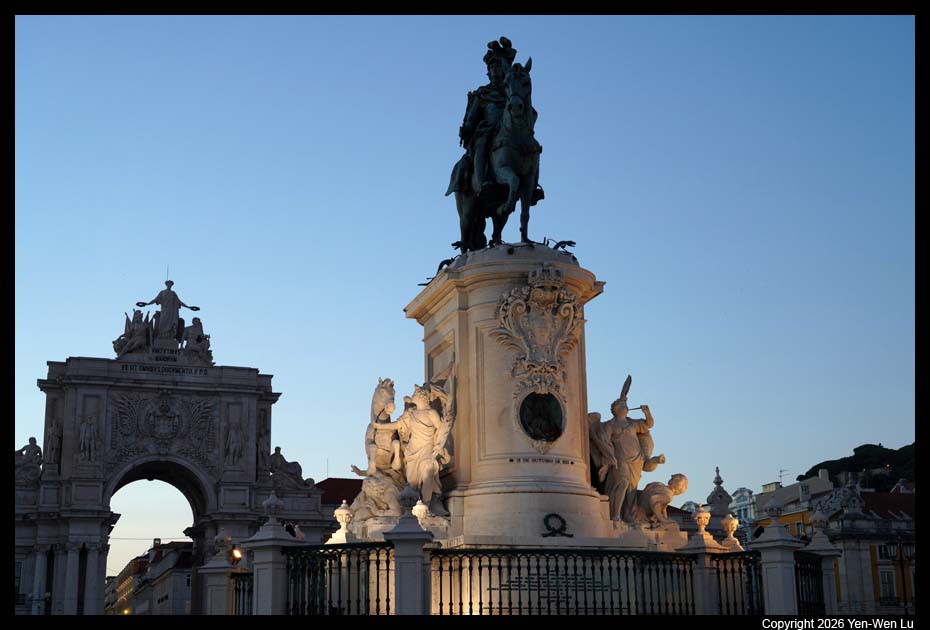
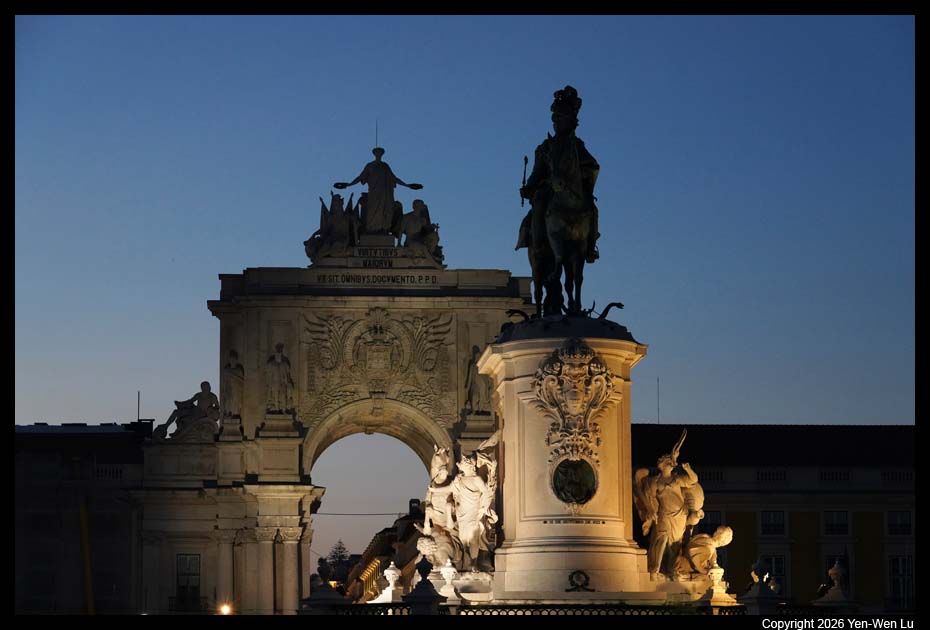
we walked to the Praça do Comércio (Commerce Square), one of the largest and
most grand royal squares in Portugal, with an area of 175 by 175 m (574 by
574 ft), that is, 30,600 m2 (329,000 ft2). The triumphal arch
was designed by the Portuguese architect Santos de Carvalho to celebrate the
reconstruction of Lisbon after the 1755 earthquake. It was completed in
1873. On top of its several pillars, it's adorned with numerous statues that
represent important Portuguese figures like Vasco da Gama and the Marquis of
Pombal.
Day 2 (8/14) ...
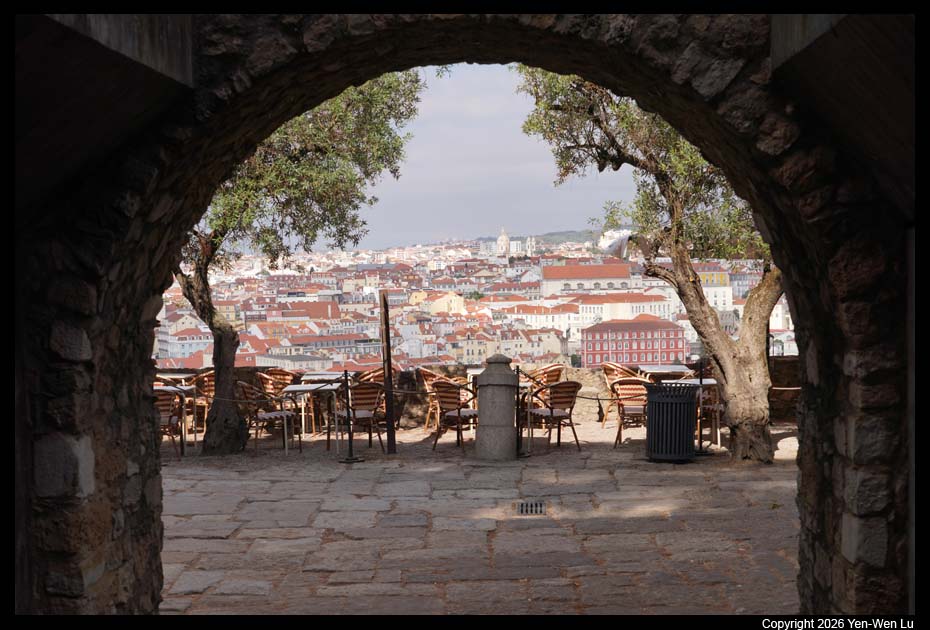
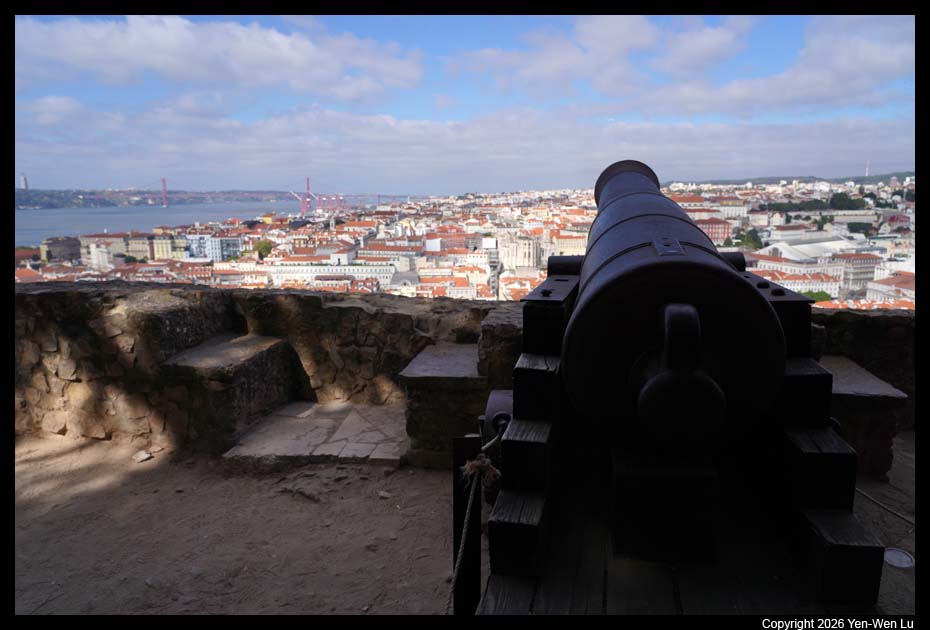
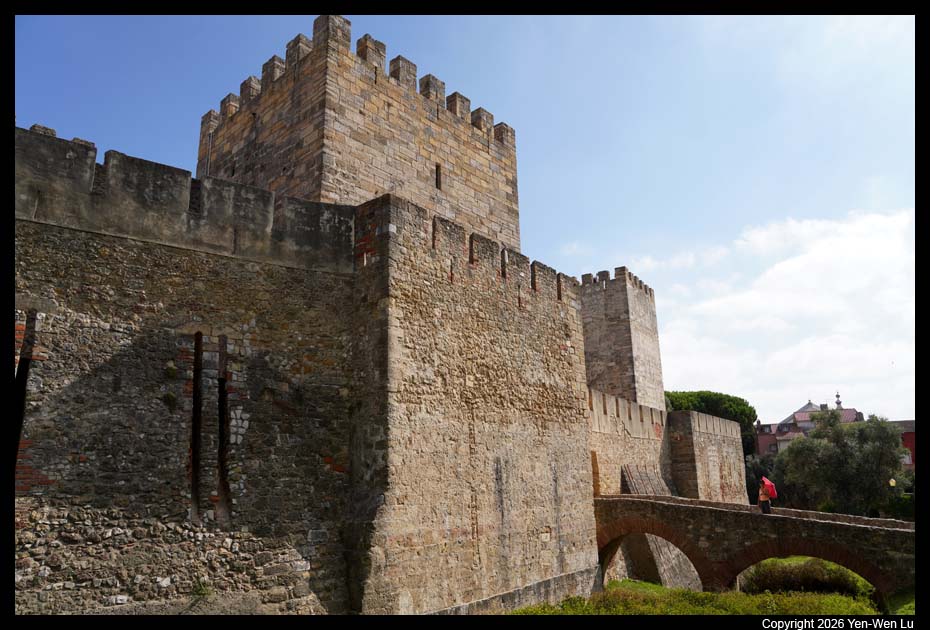
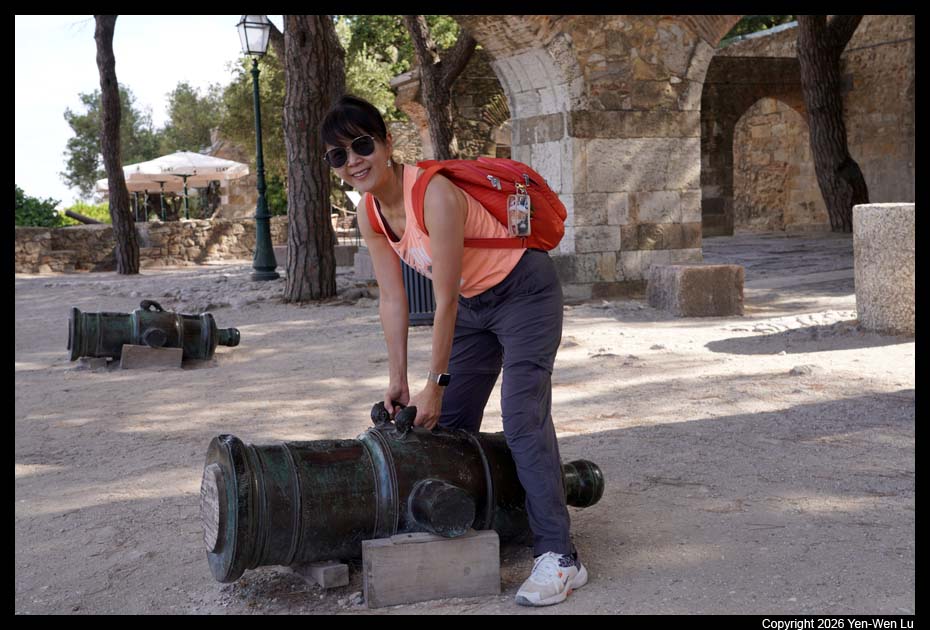
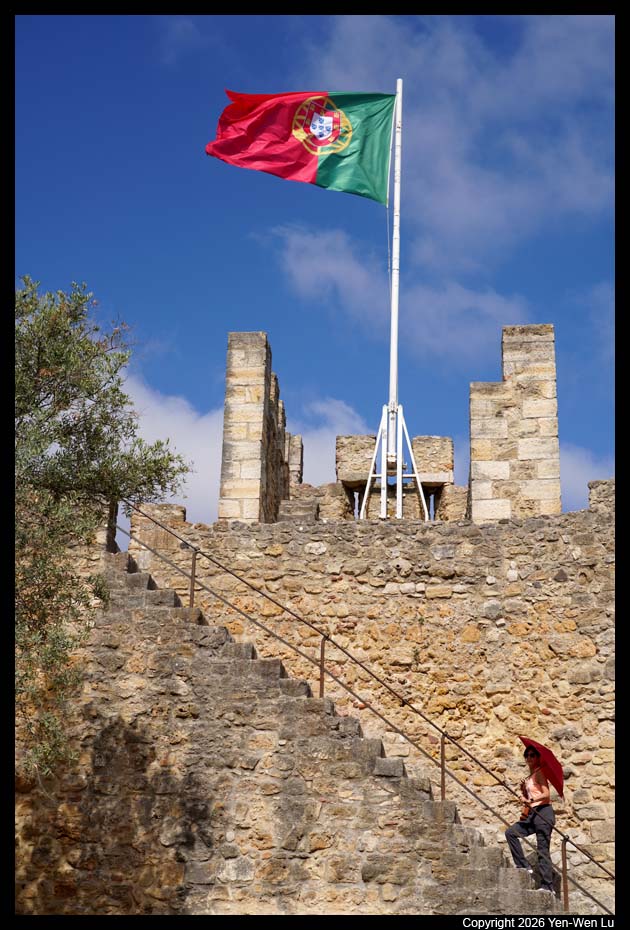
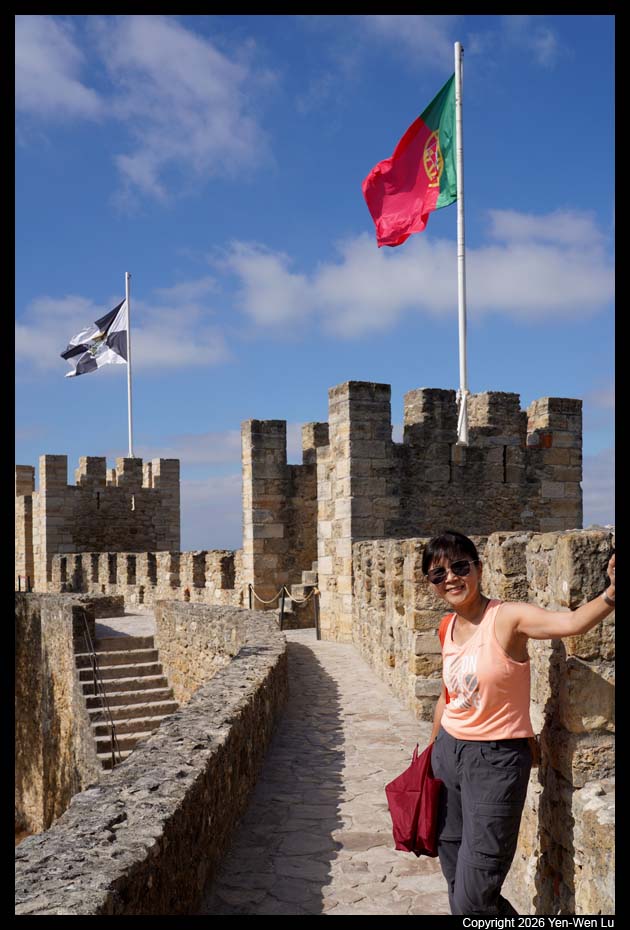
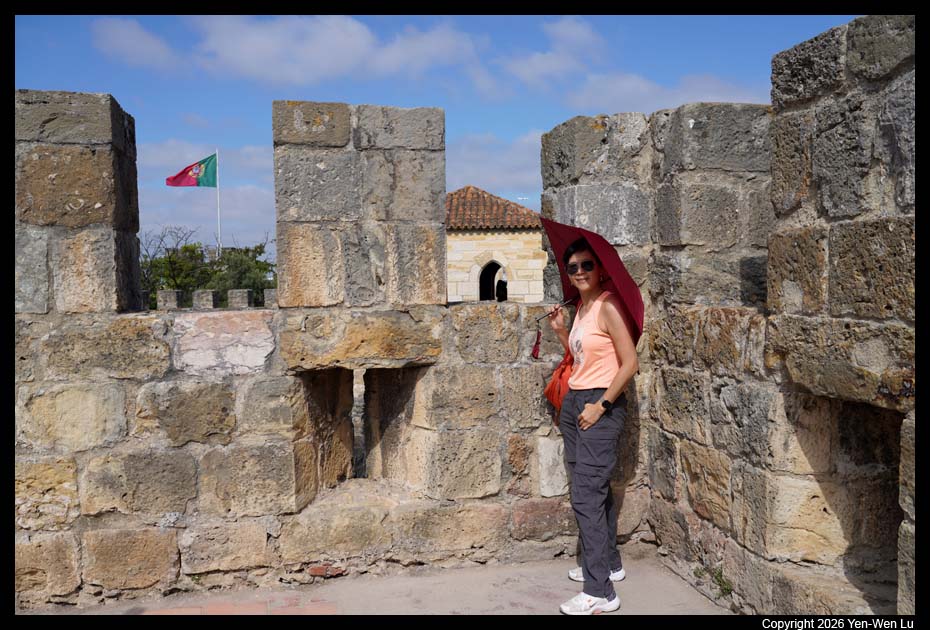
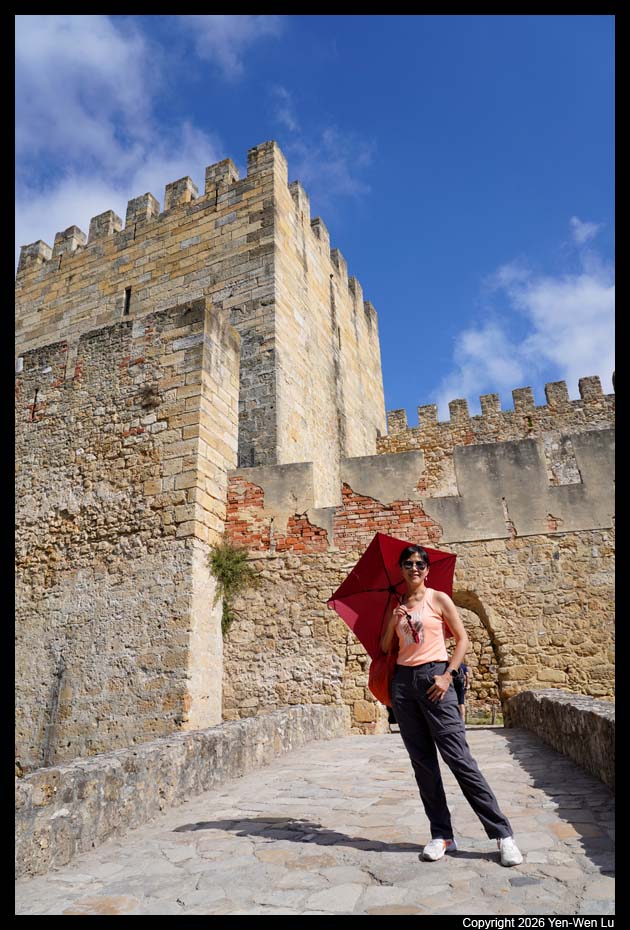
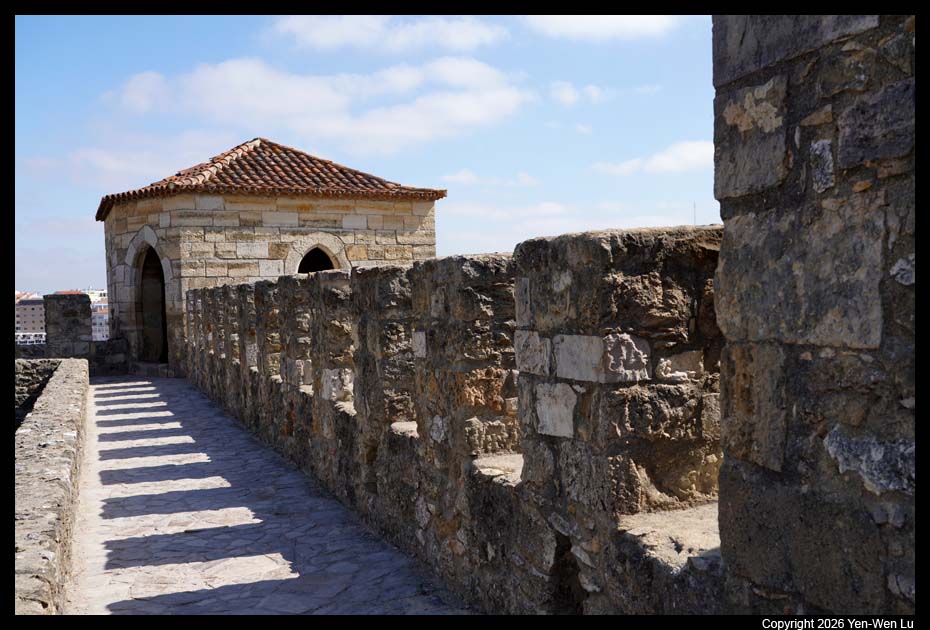
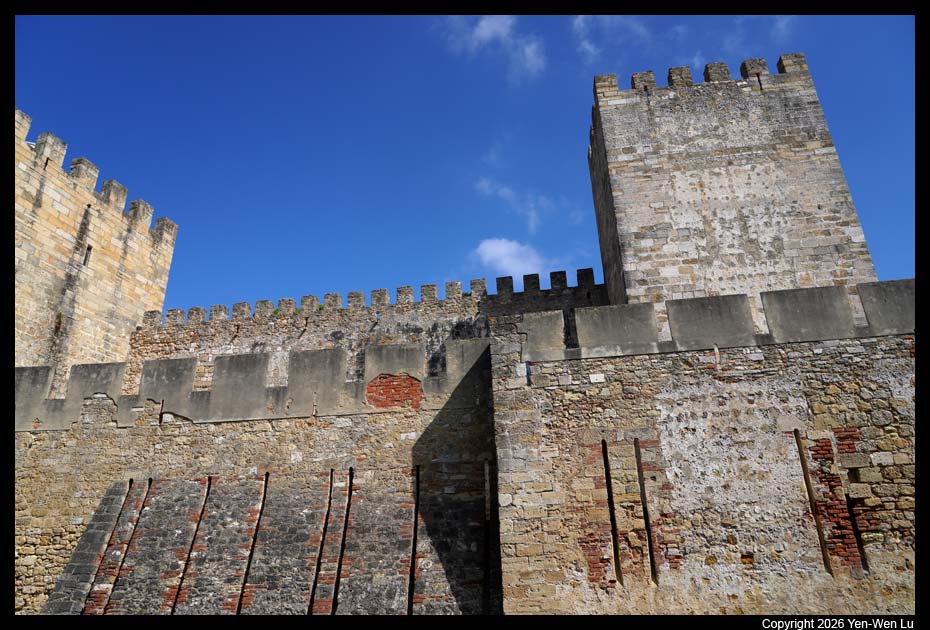
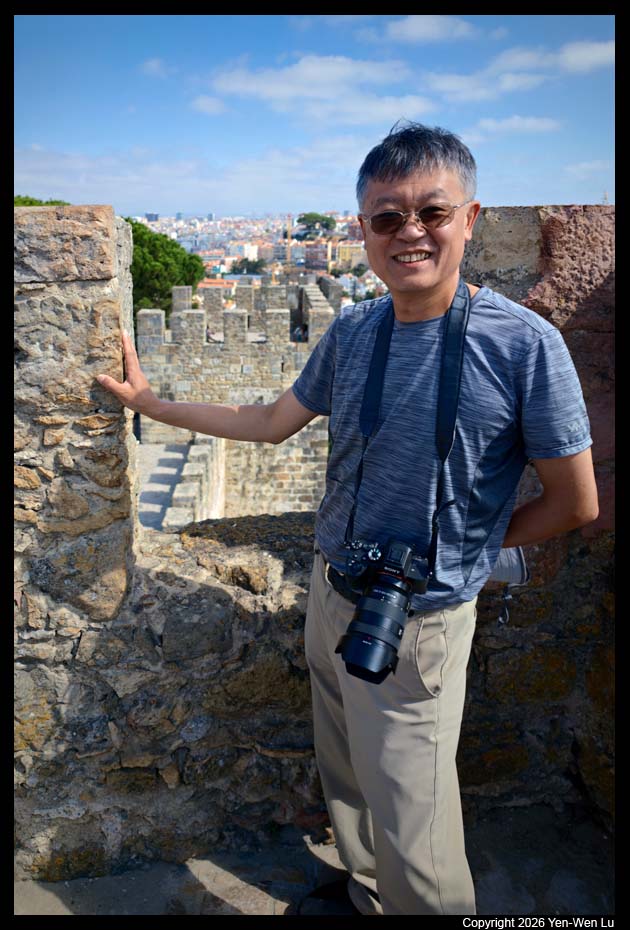
- Castelo de São Jorge (St. George's Castle)
Situated at the top of a
hill, the Castelo de São Jorge is part of a complex defensive system which
was gradually transformed over time. The first walls of the castle,
which was rebuilt several times by various peoples and received different
names, date from the 2nd century BC. During the Islamic
occupation, the city was defended by lines of walls which were positioned on
the south side of the hill towards the river. The appearance of the
castle as it looks today (bearing characteristics attributable to “the
gothic castle”) is the result of changes occurring during the reign of King
Afonso III (1248-1279) and/or King Denis (1279-1325). Today, it is one
of Lisbon's most recognizable icons, offering the most iconic 360-degree
views over the historic Alfama neighborhood and the Tagus River.
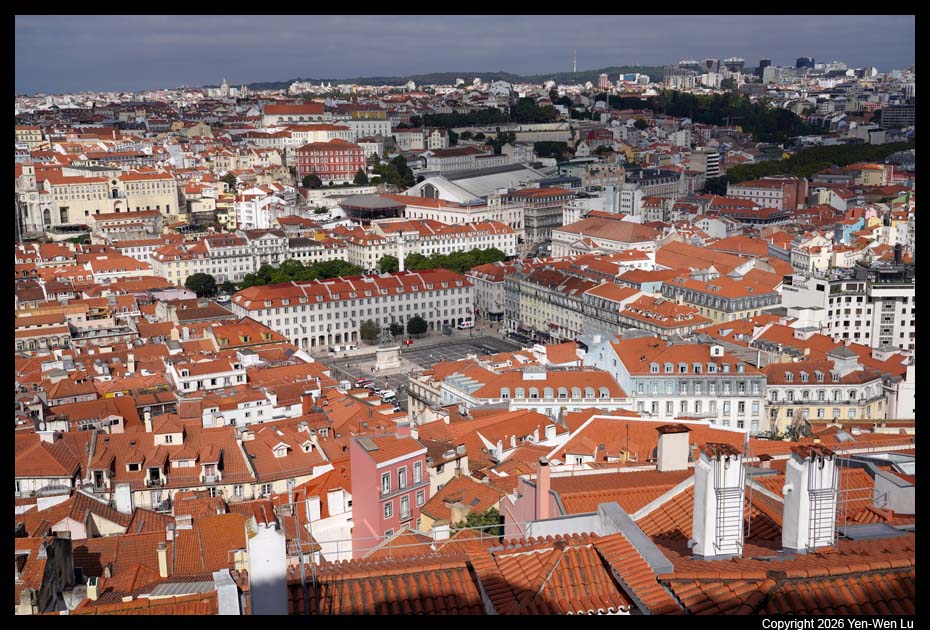
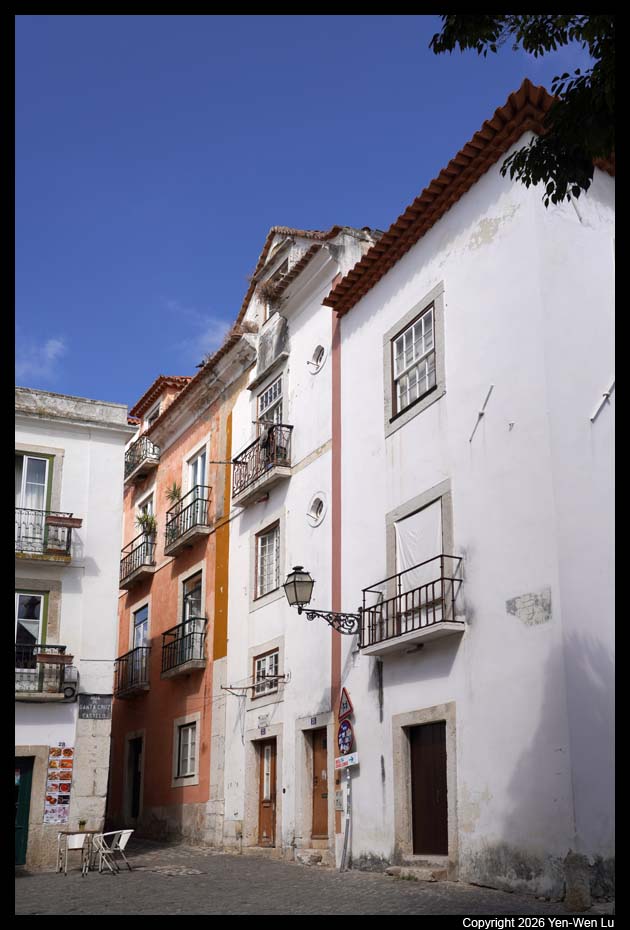
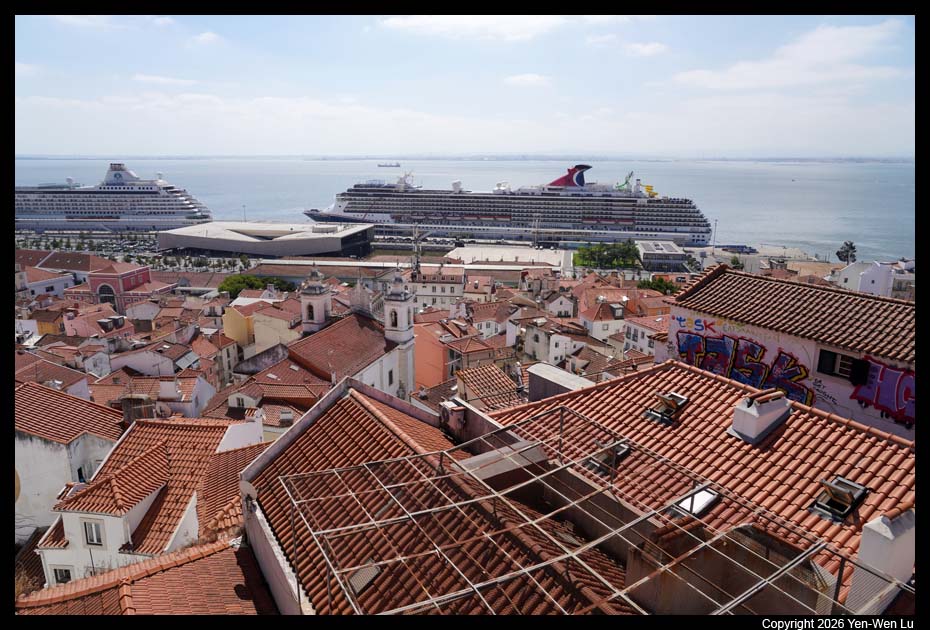
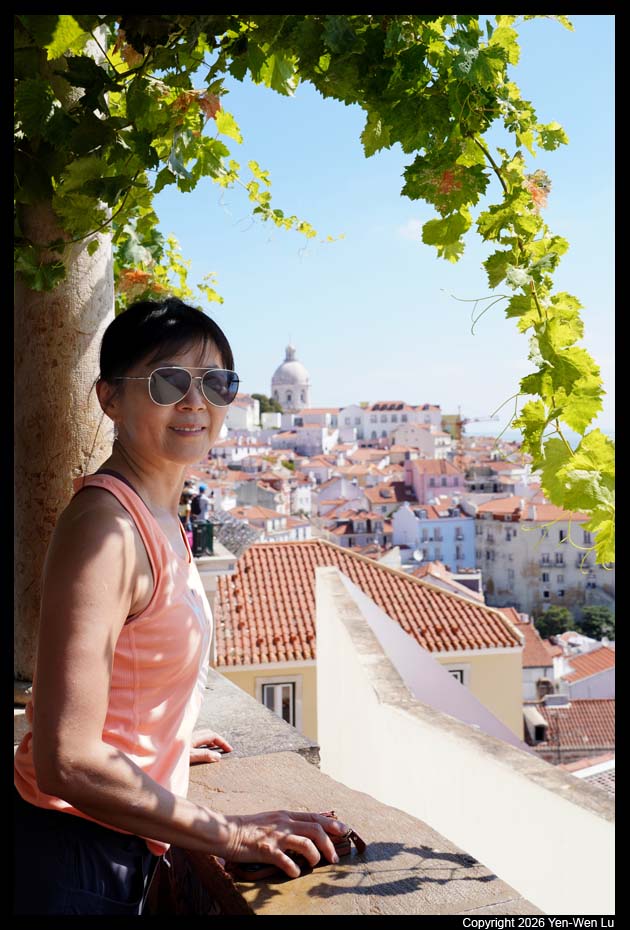
- Miradouro de Santa Luzia
After visiting the castle, we walked through
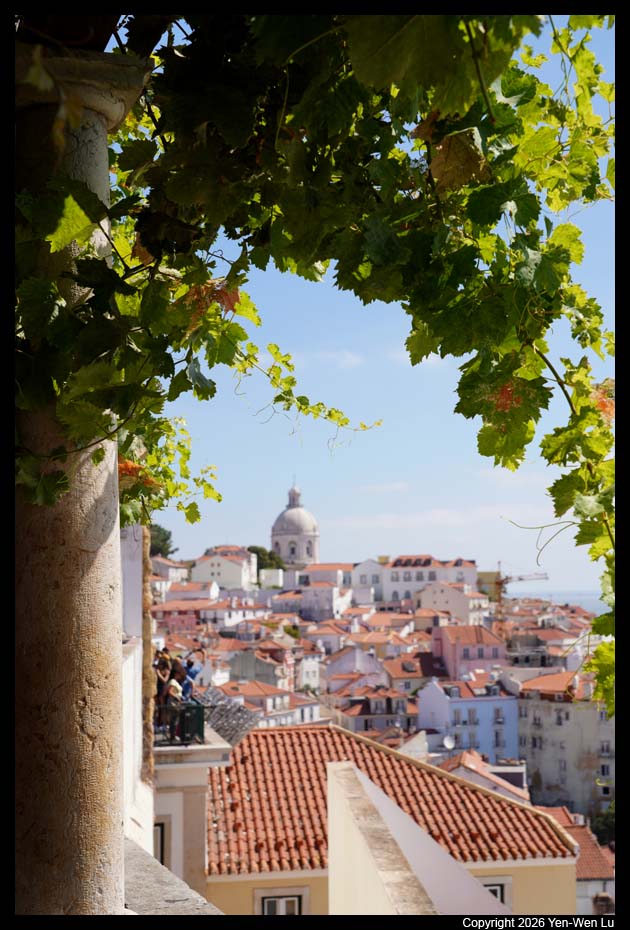
the narrow cobbled streets to Miradouro de Santa Luzia, one of the most
romantic and visually enchanting viewpoint (miradouro) in Lisbon.
Perched on the edge of the historic Alfama district, this beautiful
observation deck features a charming, flower-draped pergola that frames
sweeping panoramic views of Alfama's cascading terracotta rooftops, ancient
church spires, and the wide Tagus River estuary.
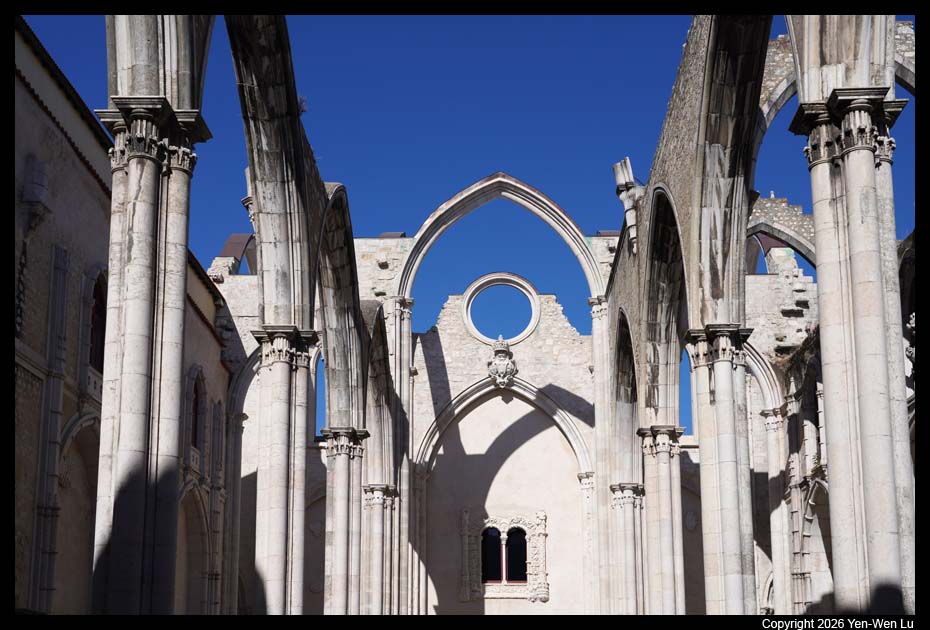
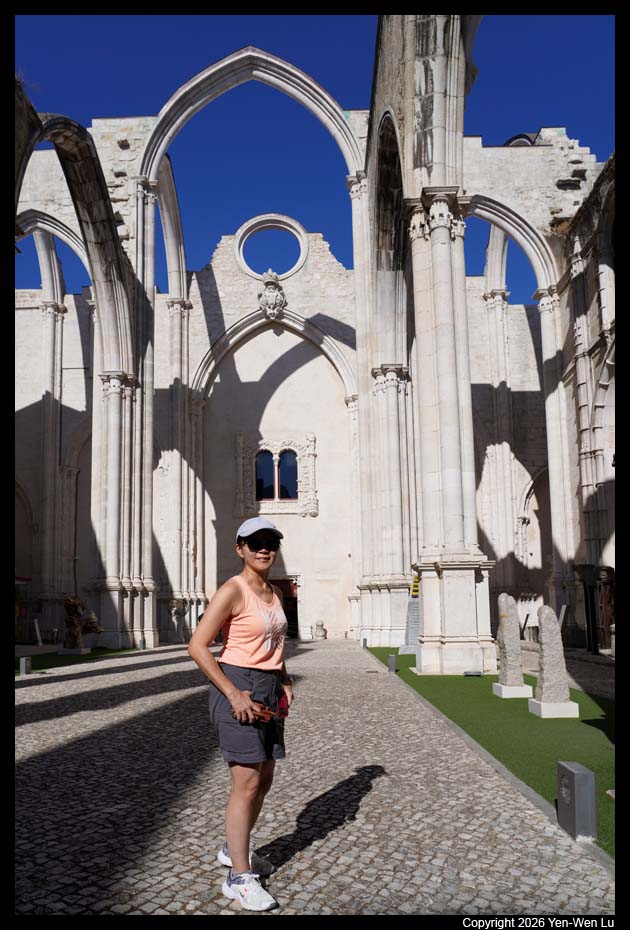
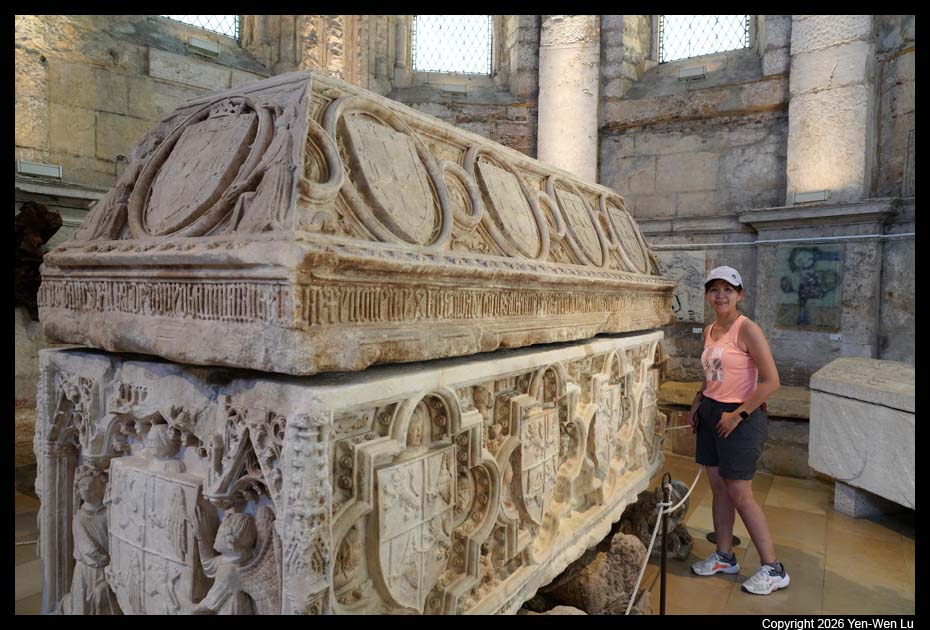
- Carmo Archaeological Museum
After a break in the hotel room, we
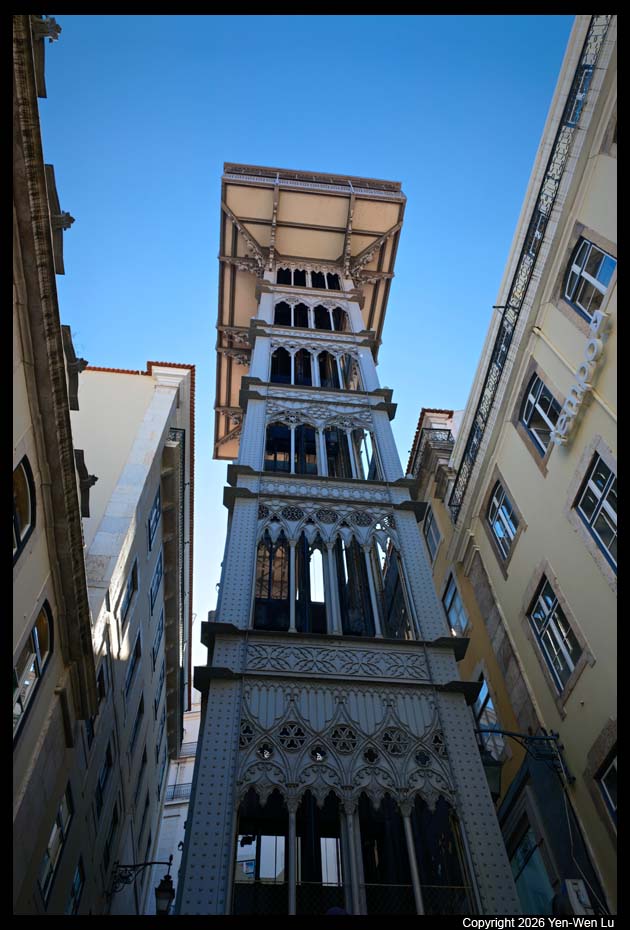
walked to the Carmo Archaeological Museum, passing by the famous
Elevador de Santa Justa,
which was closed for safety inspections and maintenance reviews.
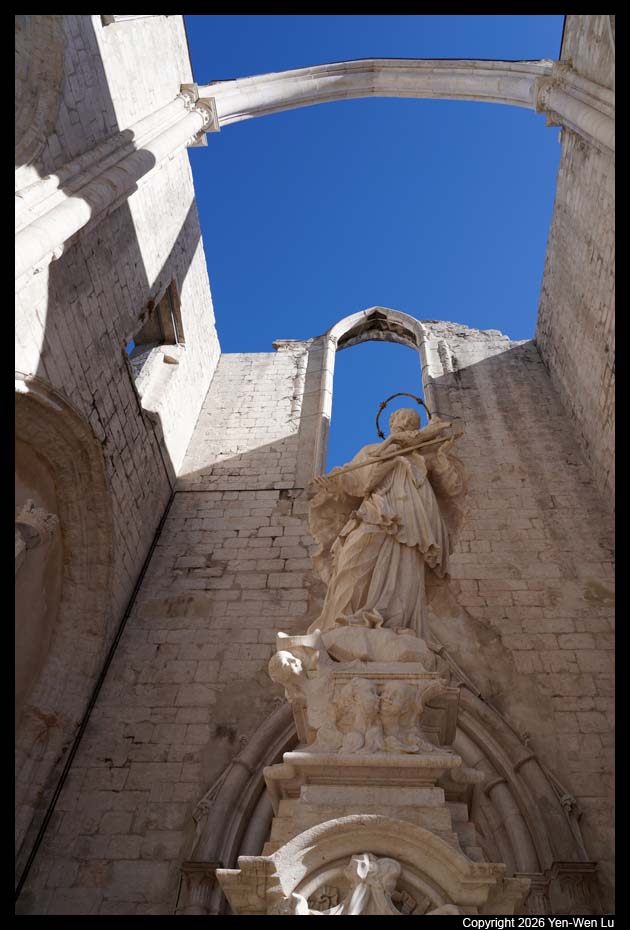
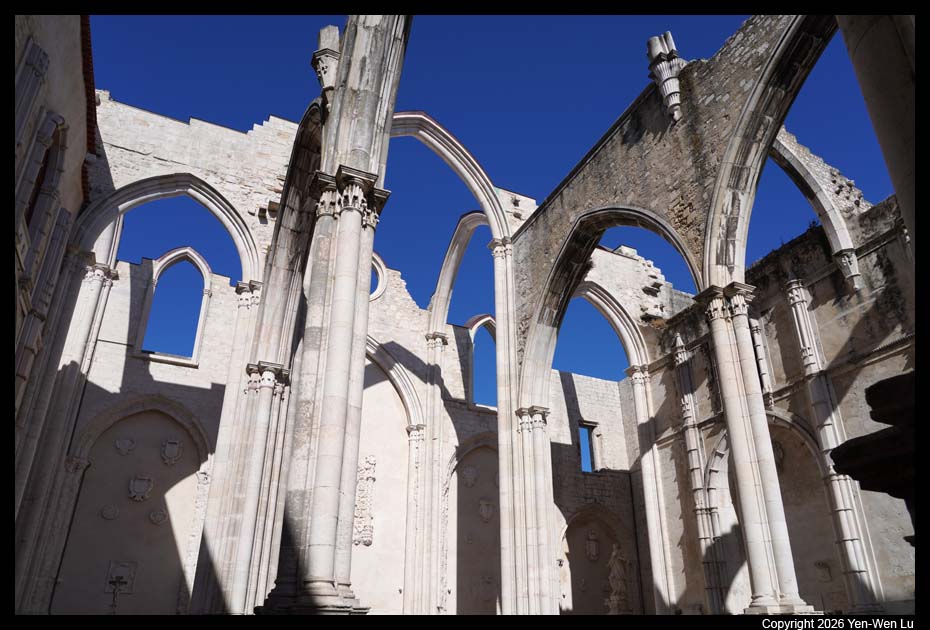
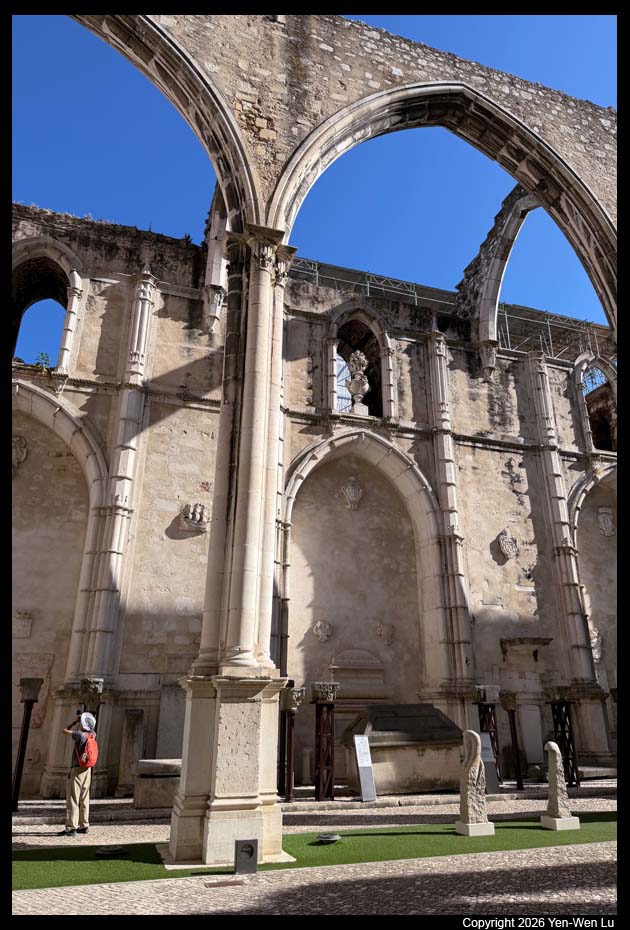
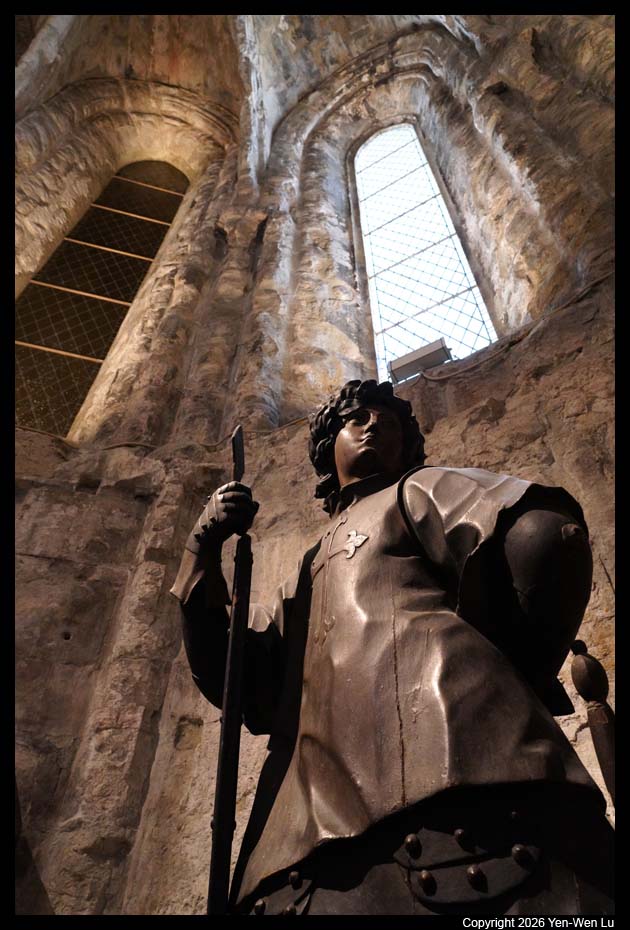
The
Carmo Archaeological Museum (Museu Arqueológico do Carmo) is one of Lisbon’s
most striking and hauntingly beautiful historic sites. Housed inside the
open-air ruins of the Carmo Convent, this Gothic church was founded in 1389.
It was once the grandest church in the city, but its roof completely
collapsed on the congregation during the catastrophic 1755 earthquake.
Instead of rebuilding it, the city left the stark Gothic arches open to the
sky as a permanent, poetic memorial to the disaster. The Carmo
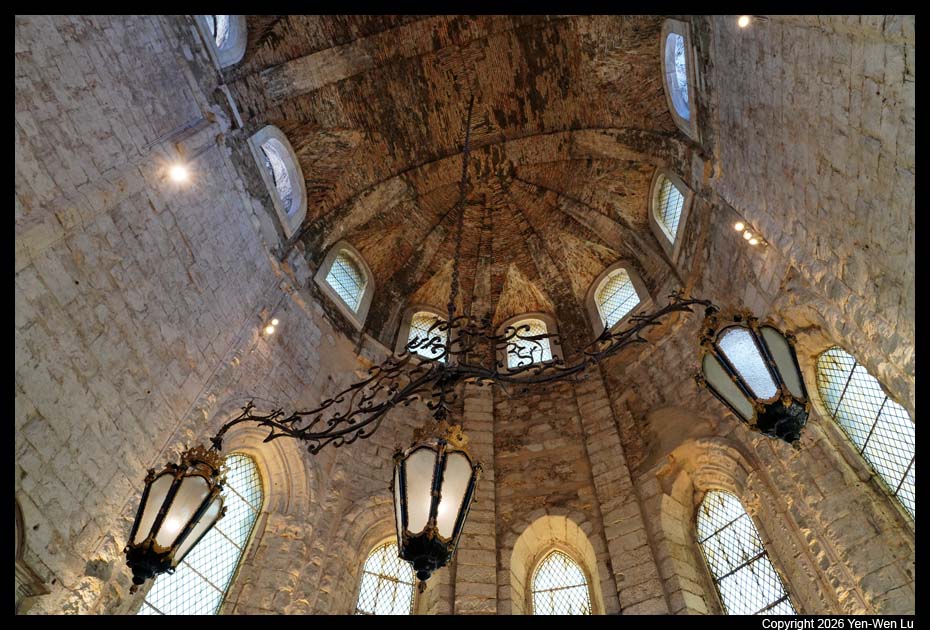
Archaeological Museum, located here, was founded in 1864. It was the first
Art and Archaeology museum in the country. Inside the surviving covered
rooms at the back are an eclectic archaeological collection including Gothic
tombs, fragments of medieval statues, and historic Portuguese ceramics.
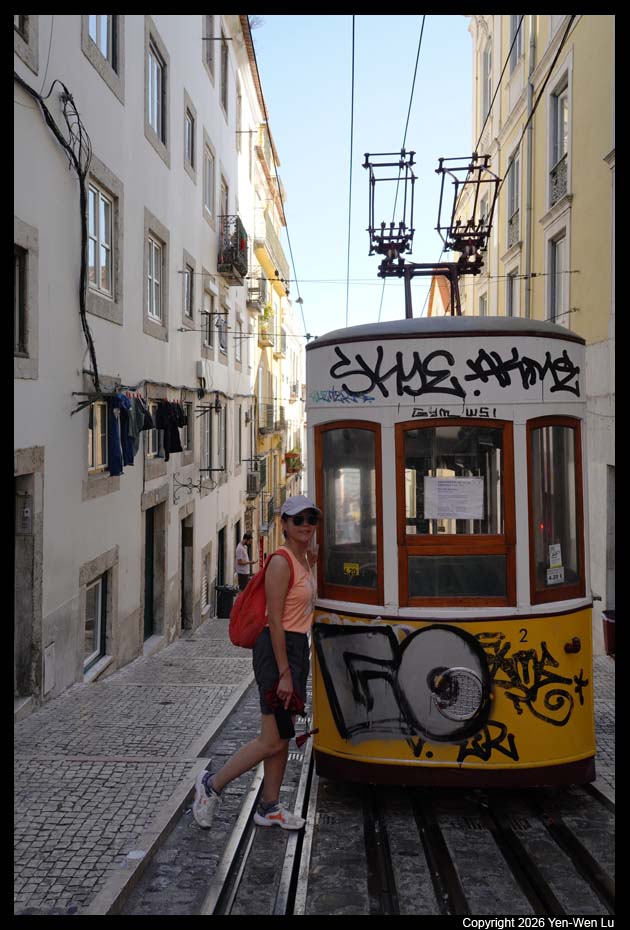
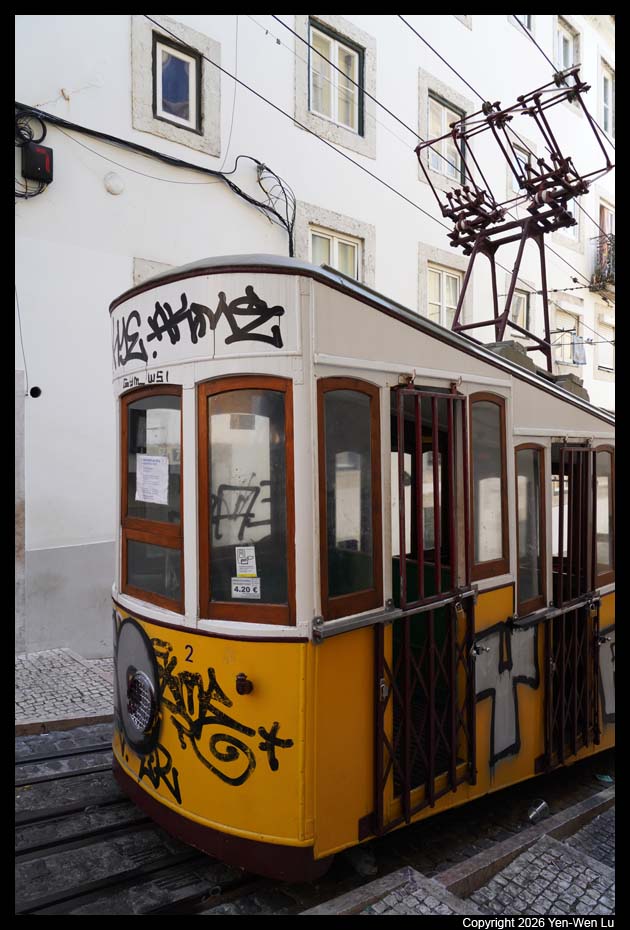
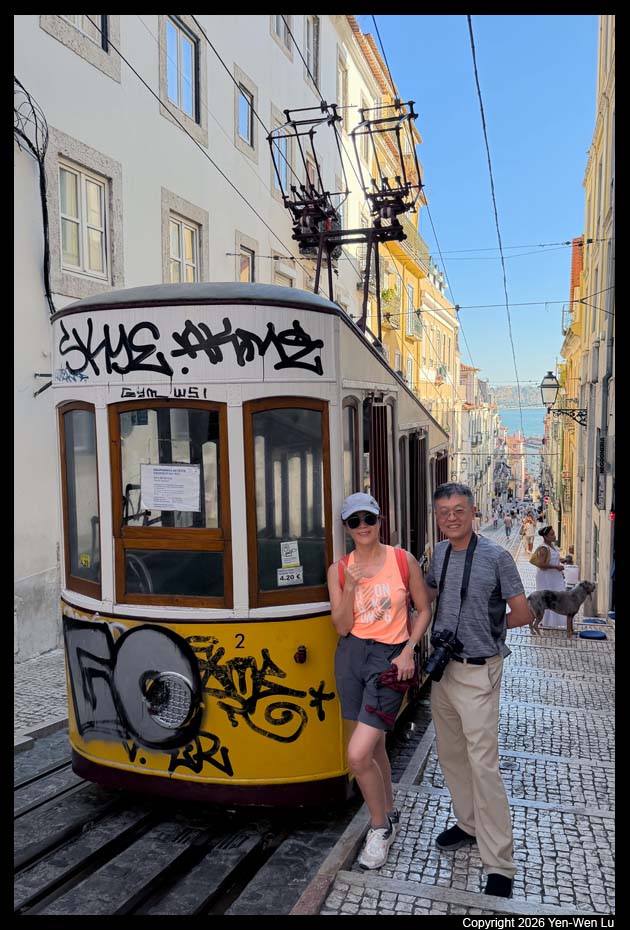
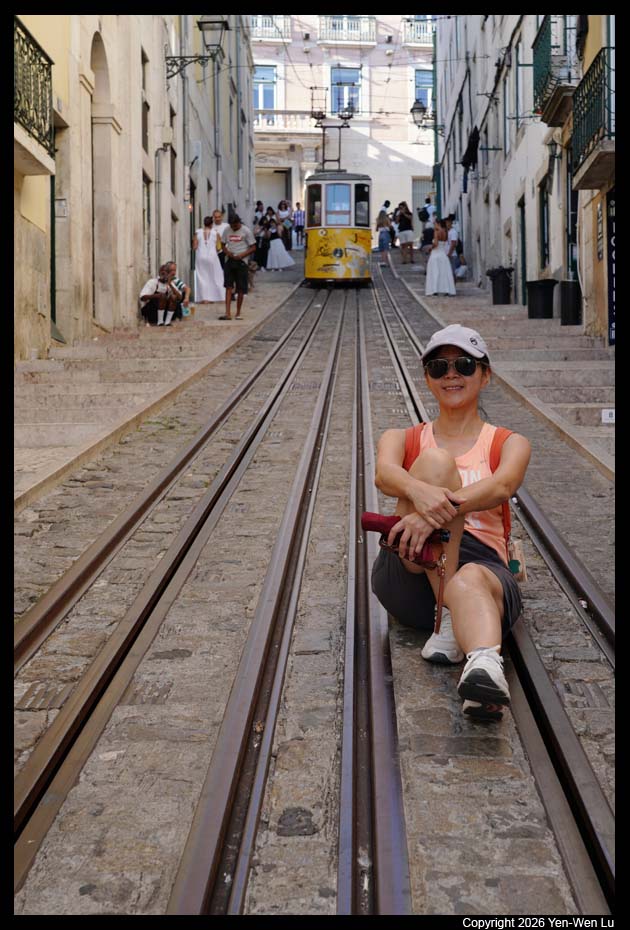
- Bica Lg Calhariz
We walked to Bica - Lg. Calhariz, the iconic upper
terminal station of the famous Bica Funicular. Lisbon features a
system of four distinctive funiculars designed to help locals and visitors
conquer the city's brutally steep hills. Classified as national monuments,
these bright yellow vehicles have operated for over a century using a smart
counterweight system. Following a tragic derailment on the
Glória line in September 2025, Lisbon's three historic funiculars (Bica,
Glória, and Lavra) are currently out of service pending extensive technical
safety reviews. Although it was not operational, there was a historic
yellow cable car parked at Bica - Lg. Calhariz for visitors to take photos.
Day 3 (8/15) ...
- Praça do Comércio (Commerce Square)
My original plan was go to
Miradouro de Santa Luzia to see sunrise. But I quickly changed my mind
after we walked for a few minutes because it was too cloudy to have any good
sky color today. We turned around to head toward the Praça do Comércio
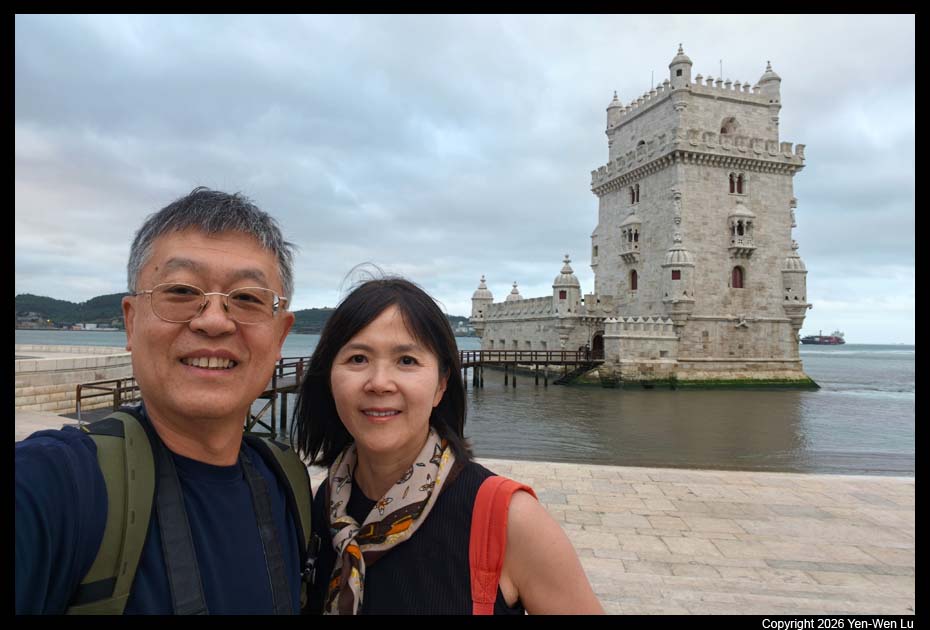
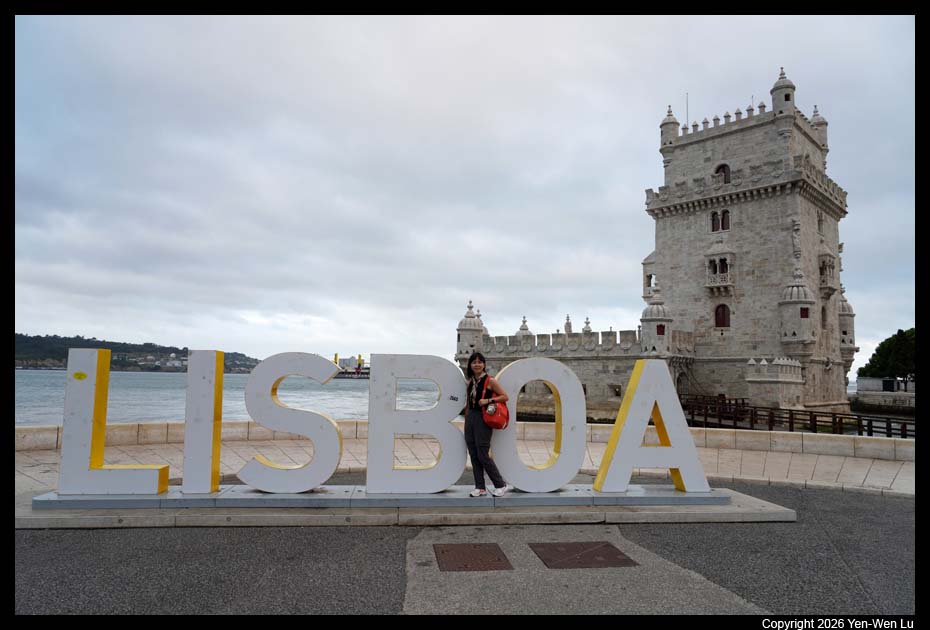
to catch Tram 15E to go to Belém. We took a few quick pictures at the
plaza when there were no other tourists around the "LISBOA" sign before we
got on the tram.
- Torre de Belém (Belém Tower)
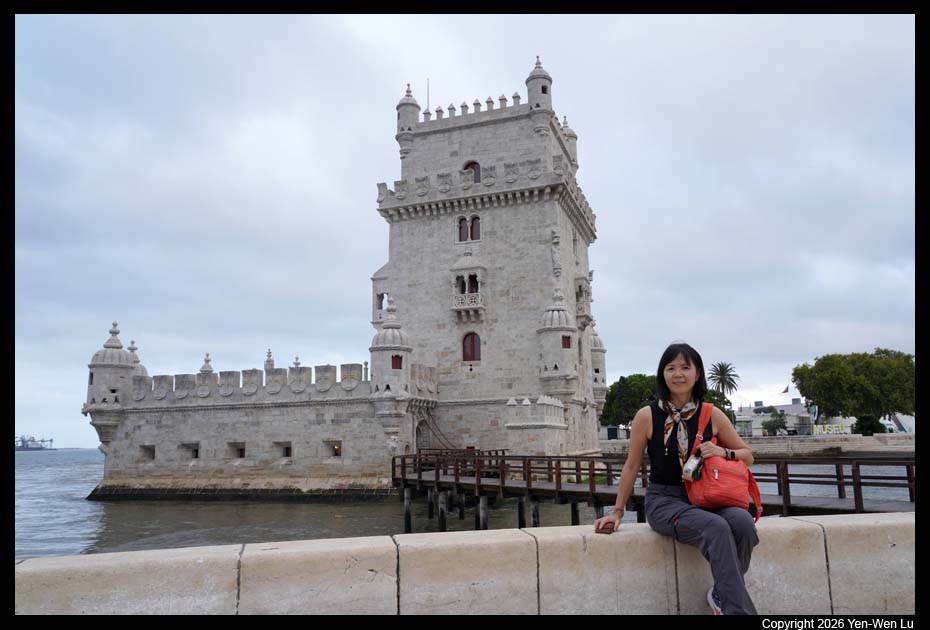
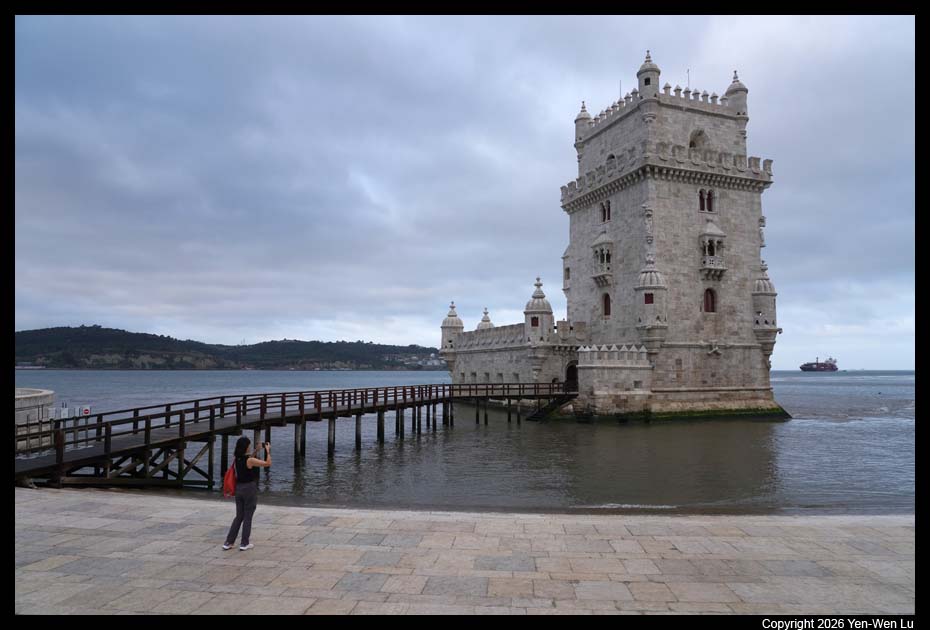
The Belém Tower, officially known as the
Tower of Saint Vincent, is a majestic 16th-century fortress standing on the
northern bank of the Tagus River. Built between 1514 and 1519, this
UNESCO World Heritage Site served as a point of embarkation and
disembarkation for Portuguese explorers and as a ceremonial gateway to
Lisbon. The tower symbolizes Portugal's maritime and colonial power in
early modern Europe.
- Padrão dos Descobrimentos (Monument to the Discoveries)
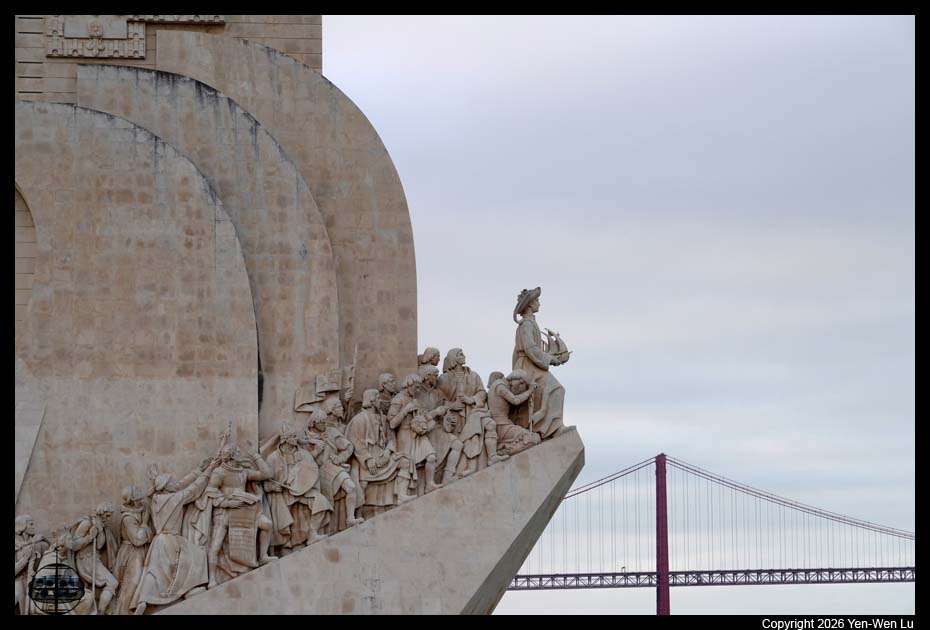
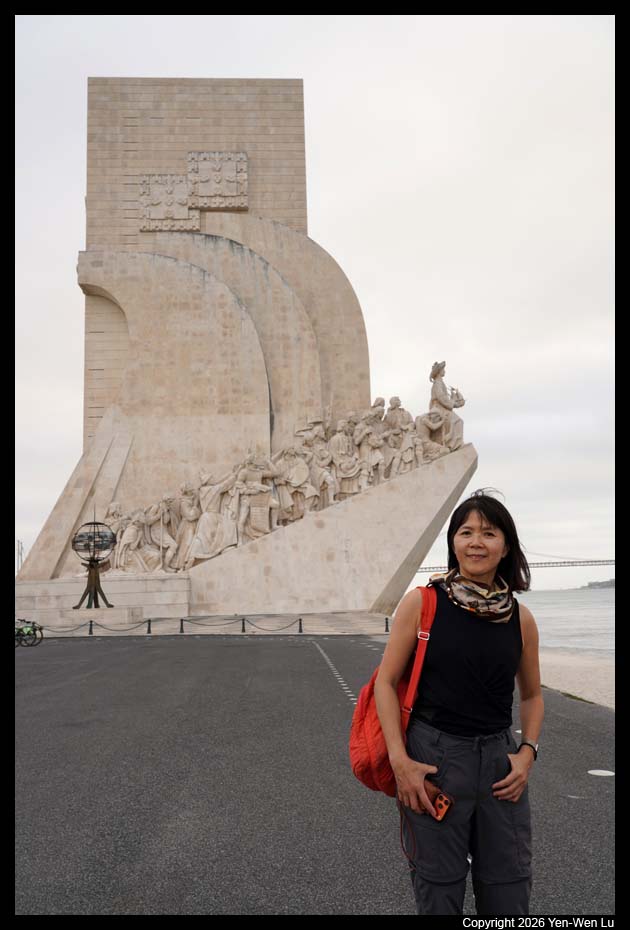
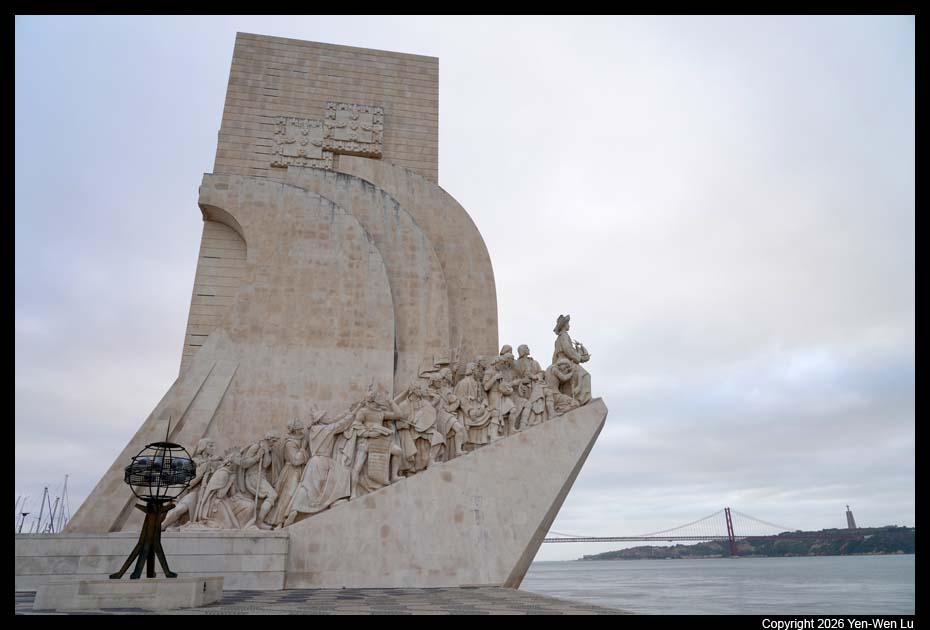
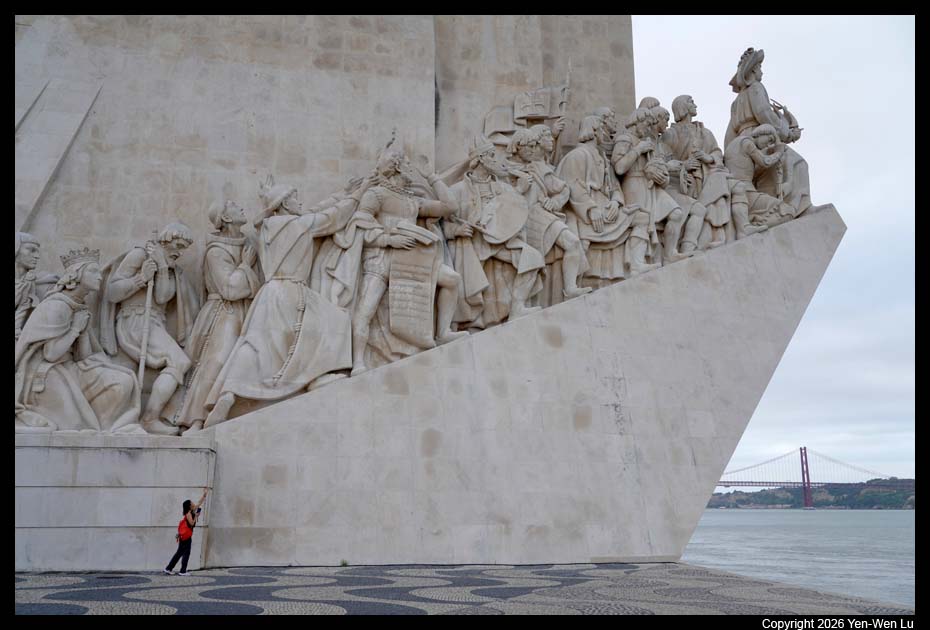
The Monument
to the Discoveries is a towering, iconic landmark positioned right on the
edge of the Tagus River in Lisbon's historic Belém district. Designed
by architect Cottinelli Telmo and sculptor Leopoldo de Almeida, the Monument
to the Discoveries was first erected in 1940 , as a temporary structure
integrated into the Portuguese World Exhibition. In 1960 , on the occasion
of the commemorations of the 500th anniversary of the death of Prince Henry
the Navigator, the monument was rebuilt in concrete and Leiria pink stone,
and the sculptures in Sintra limestone.
We walked from the Belém Tower to
the Monument to the Discoveries along the waterfront, and then continued to
walk toward Jerónimos Monastery.
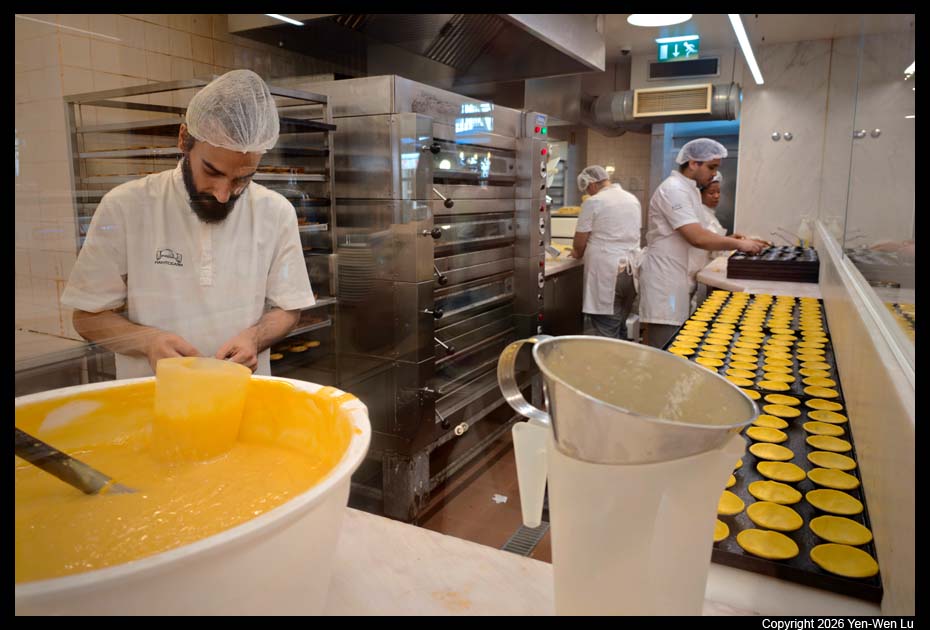
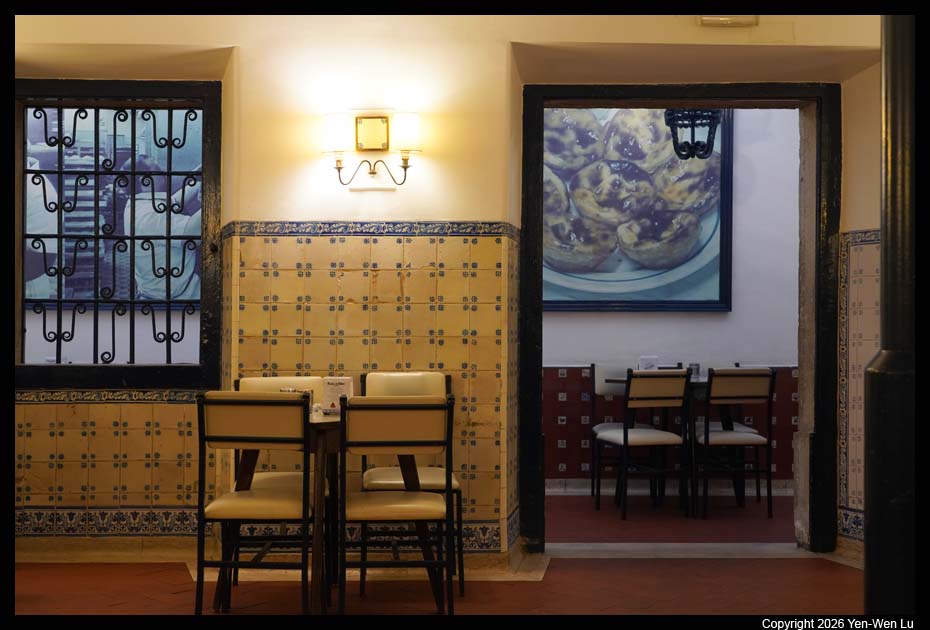
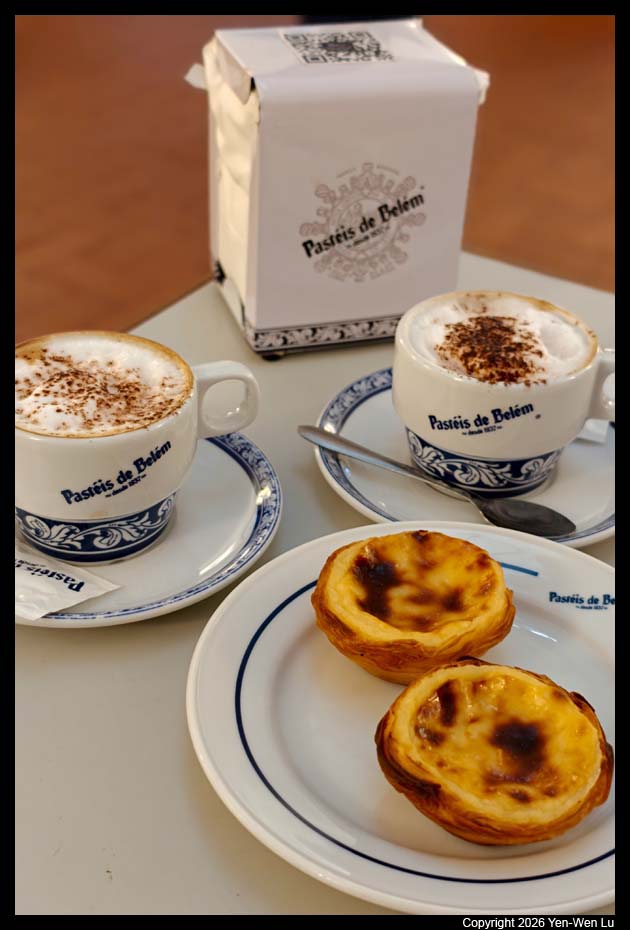
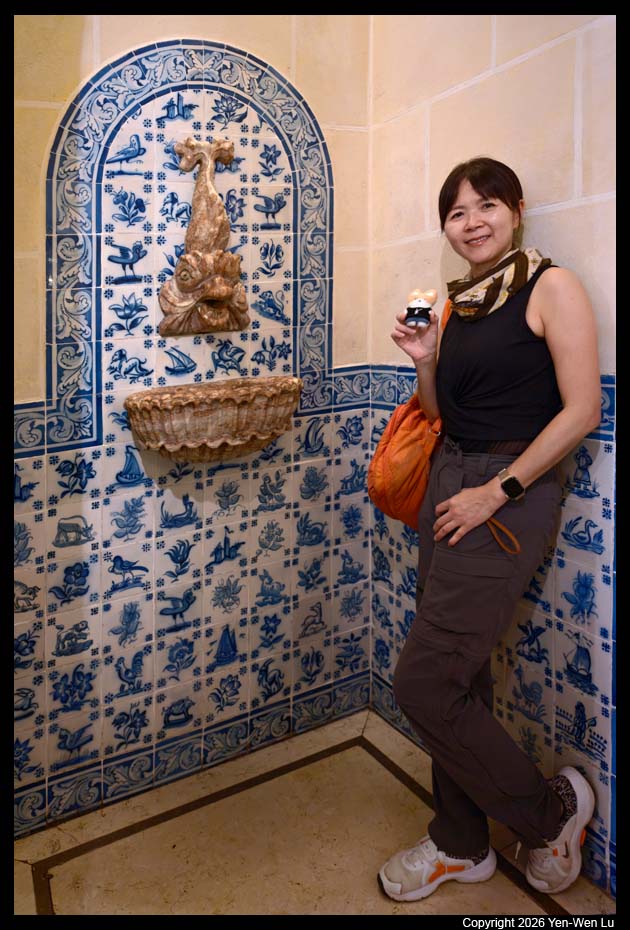
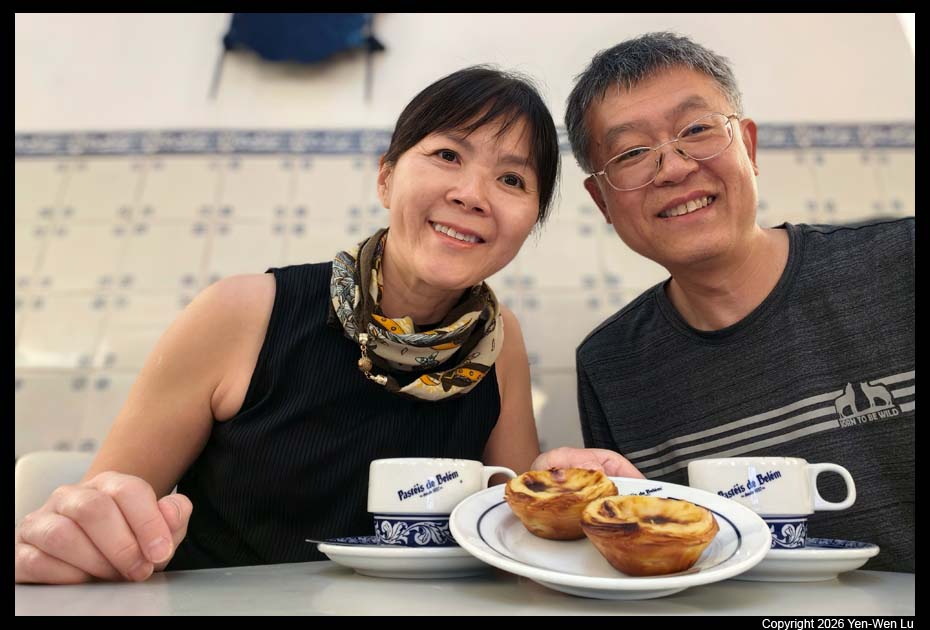
- Pasteis de Belém
Before
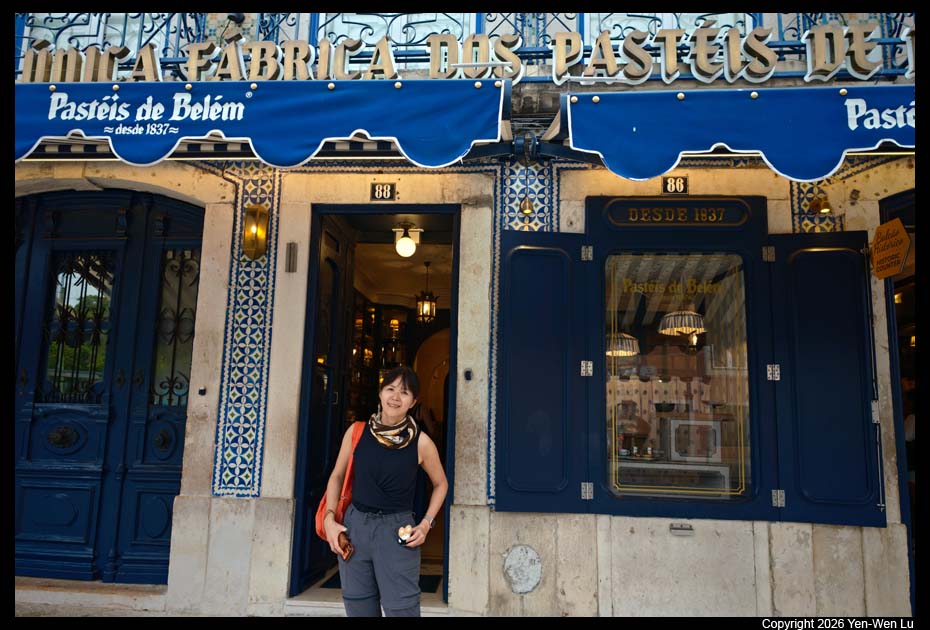
doing anymore sightseeing, we came to the famous Pasteis de Belém shortly
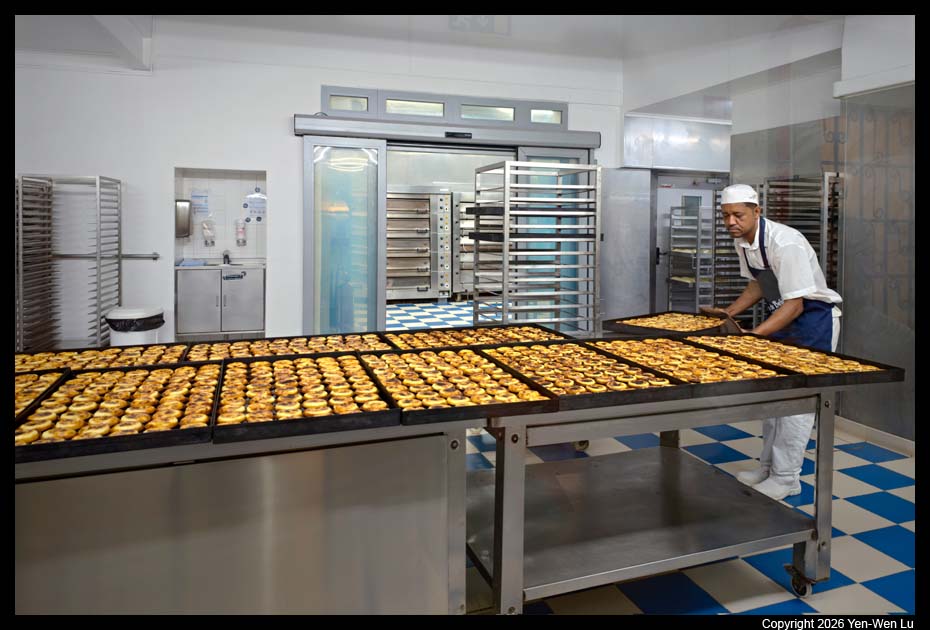
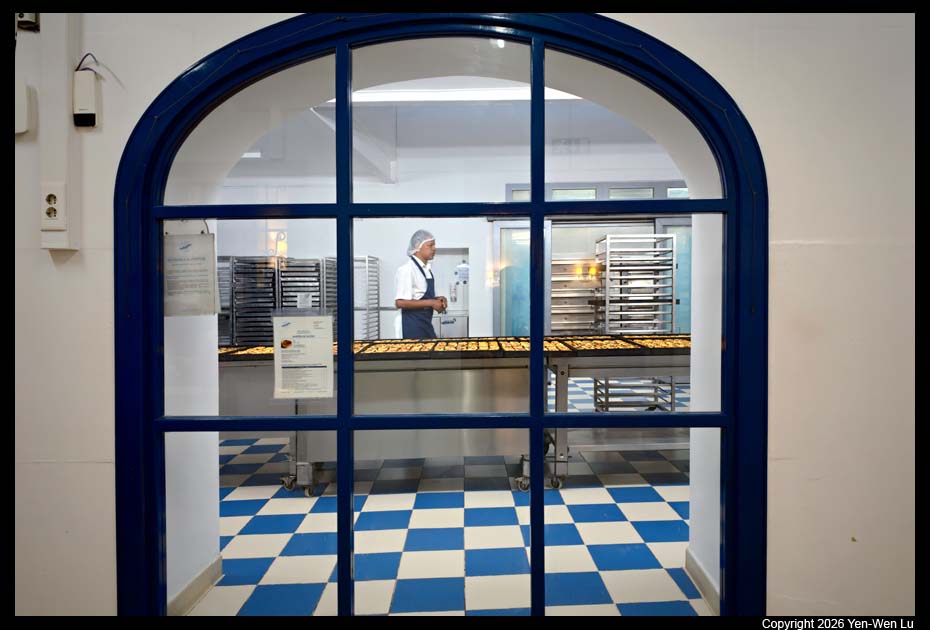
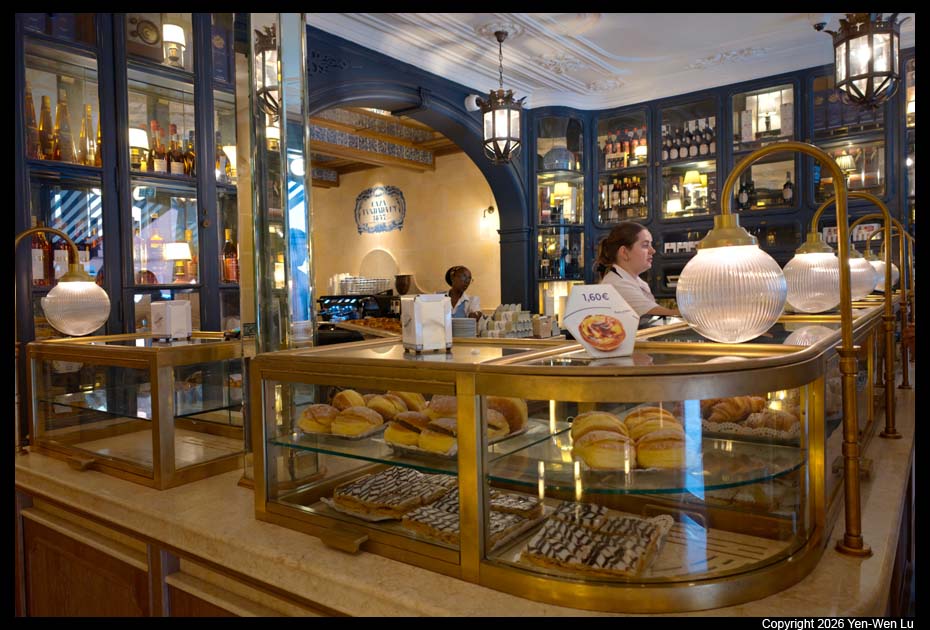
after 8AM. Pastéis de Belém is the legendary bakery in Lisbon
that serves the original Portuguese egg custard tarts. While you can buy
generic pastéis de nata all over Portugal, only the tarts baked inside this
specific kitchen can legally be called Pastéis de Belém. In 1837, the bakery
began commercial production using an ancient, highly guarded secret recipe
created by Catholic monks from the neighboring Jerónimos Monastery. Today,
that exact recipe is still mixed entirely by hand inside a locked "secret
room" by master confectioners. We indeed liked the egg tarts
from Pastéis de Belém very much.
After the delicious breakfast treat, we went to buy the
tickets to Jeronimos Monastery at 9AM (the ticket office opened at 9:30AM).
I usually book tickets online well in advance for our trips. But some
uncertainty about Lisbon Card made me hesitated and when I checked online
yesterday, all morning tickets had been sold out, so I figured I could try our
luck at the ticket office in the early morning. But it turned out the
ticket office had the same ticket status as online. The earliest tickets
we could get for today was at 2:30PM.
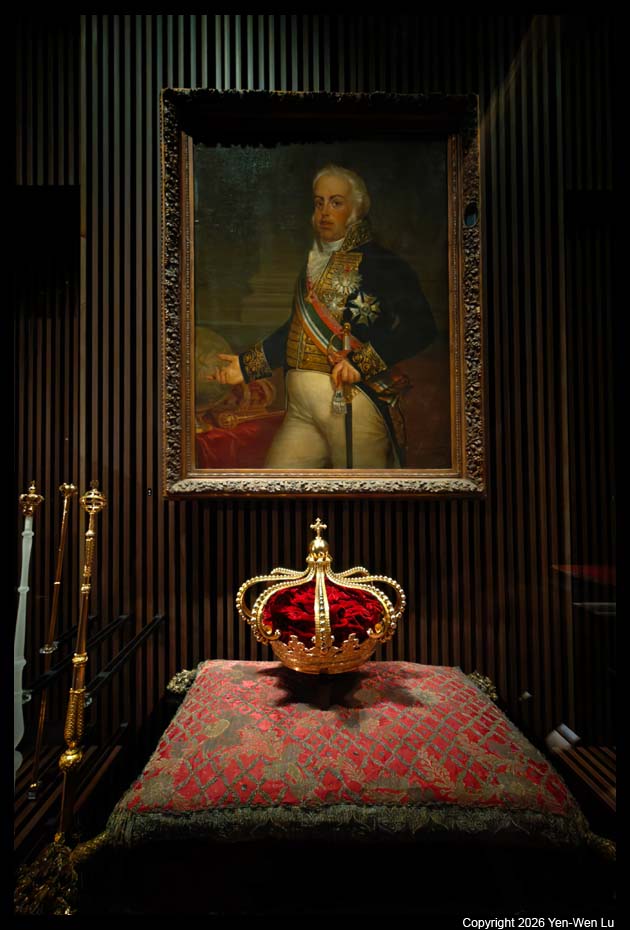
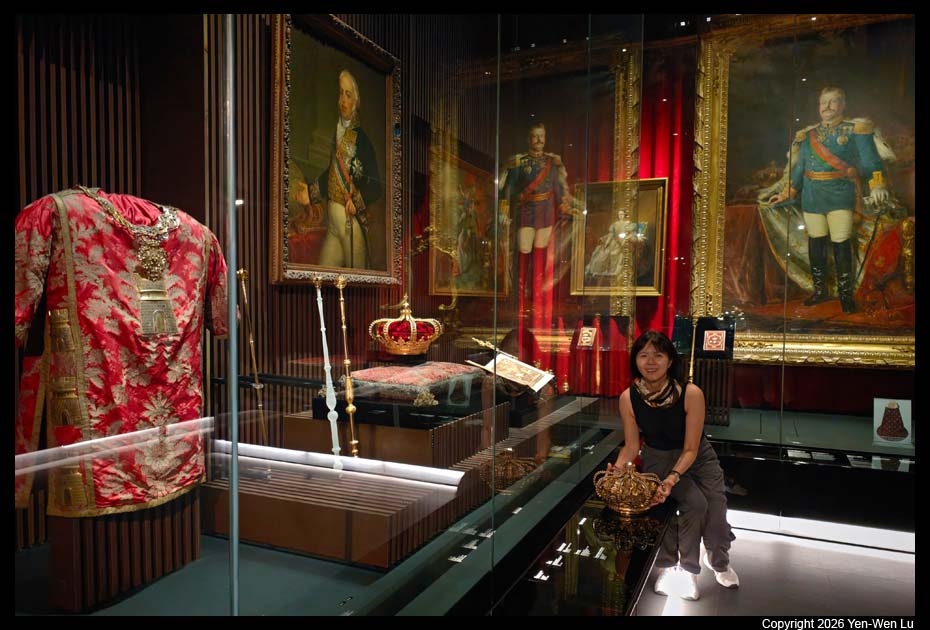
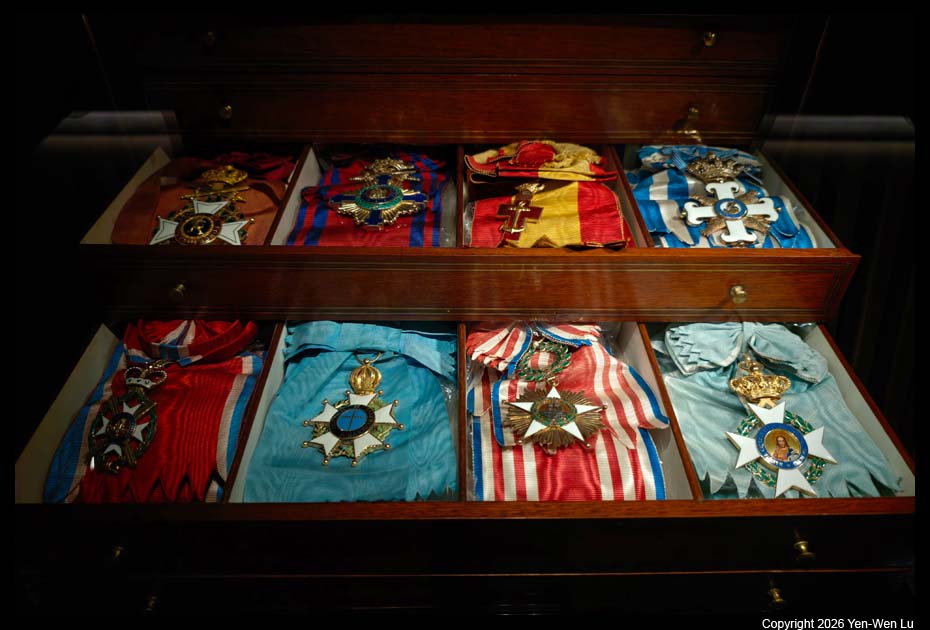
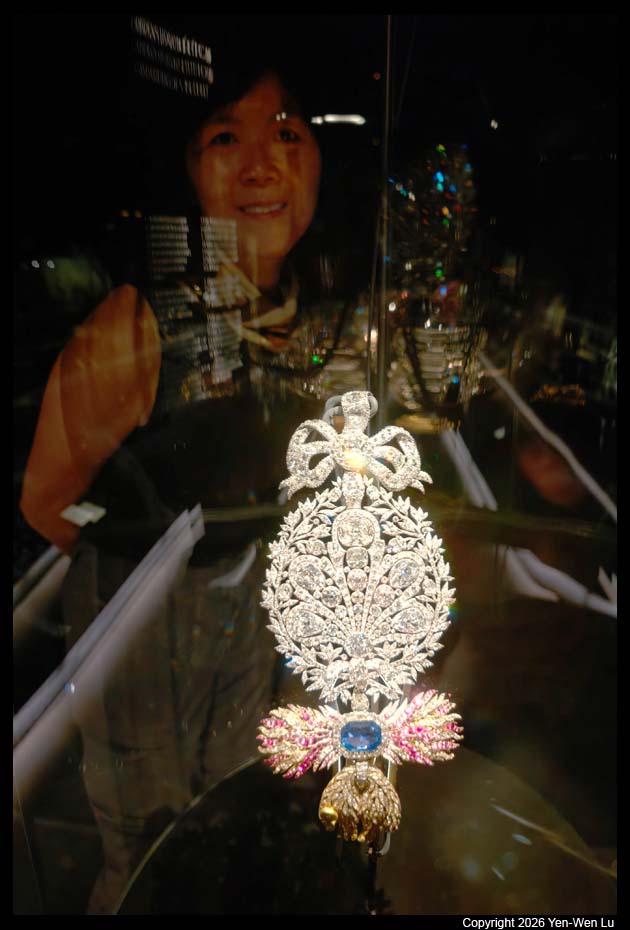
- Museu do Tesouro Real (Royal Treasure Museum)
Since we could not
visit Jeronimos Monastery in the morning, we took a bus to Ajuda National
Palace (Palácio Nacional da Ajuda) to visit the museum and the palace first.
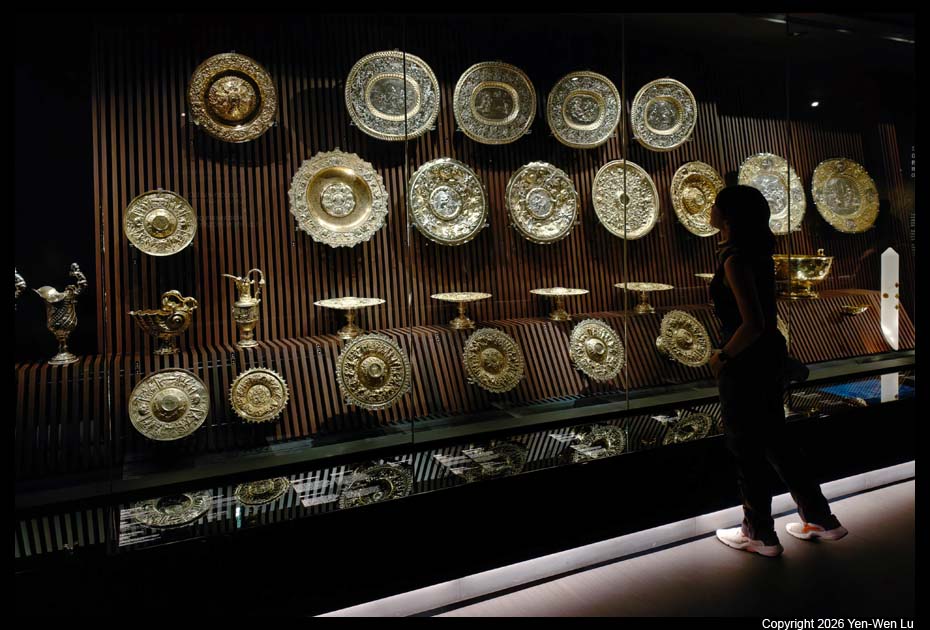
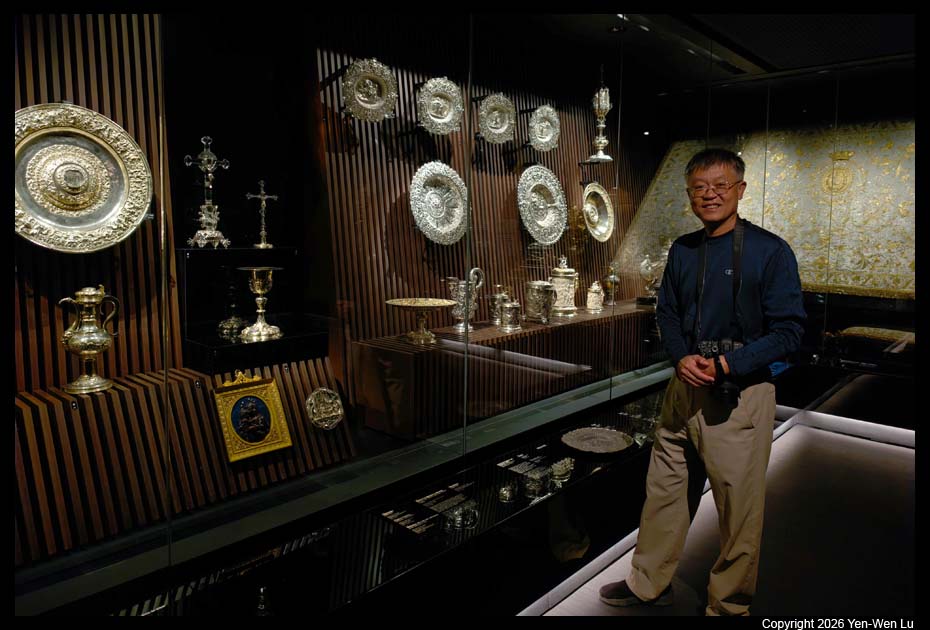
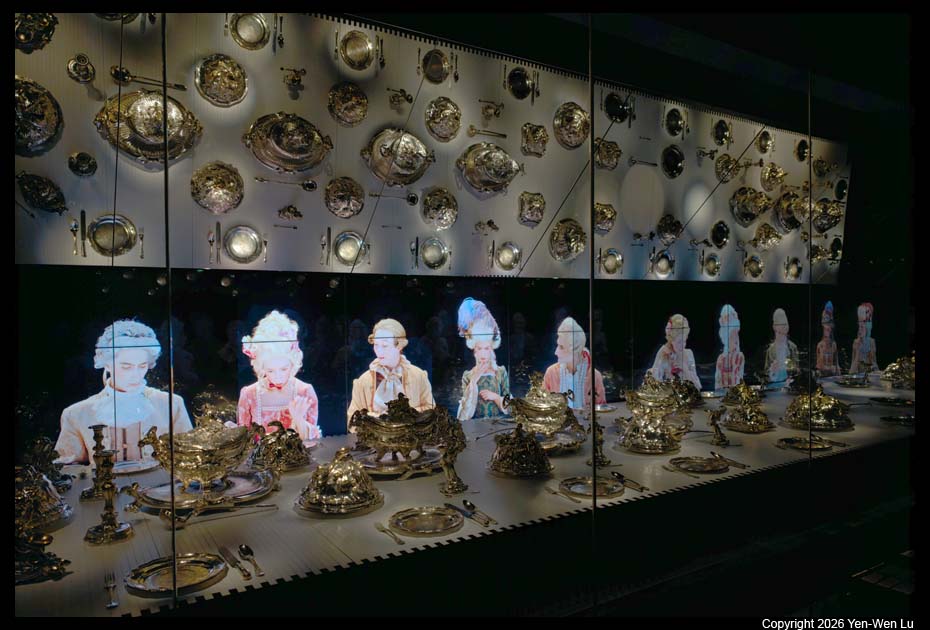
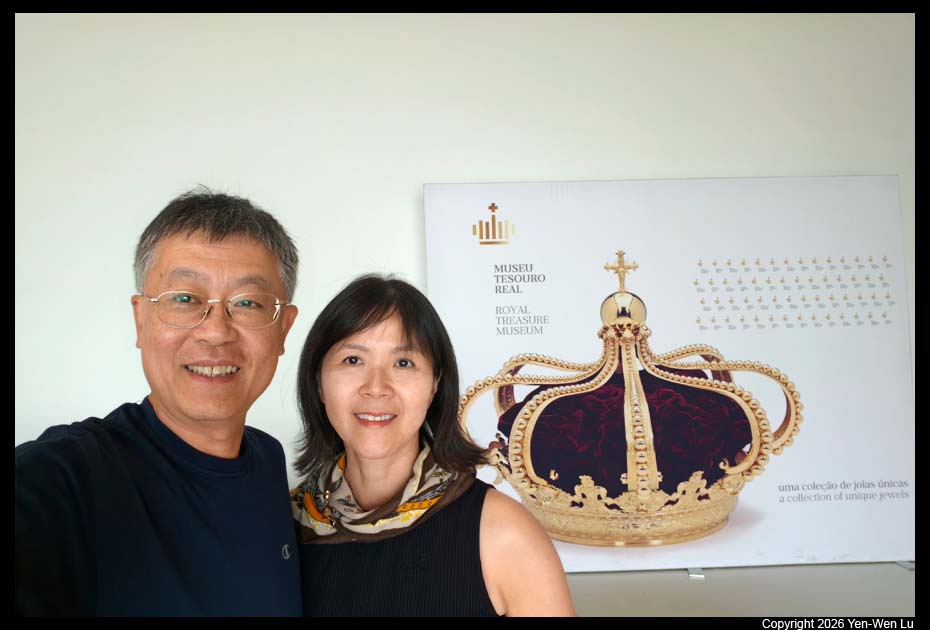
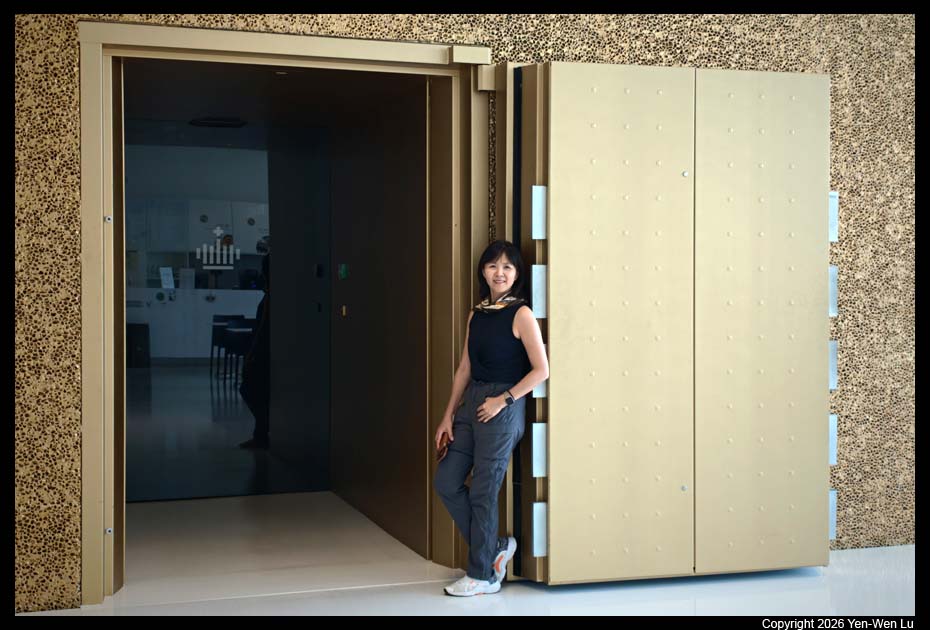
The Royal Treasure Museum (Museu do Tesouro Real) is housed in the newly
completed high-security west wing of the complex. To protect the
priceless collection, the building was constructed as one of the largest
high-security vaults in the world, complete with armored doors and
bulletproof glass display cases. This
state-of-the-art
vault displays the jaw-dropping Portuguese Crown Jewels, rare gold work,
and elite royal insignia, etc. It was surprising that there were so
few people visiting this treasure museum.
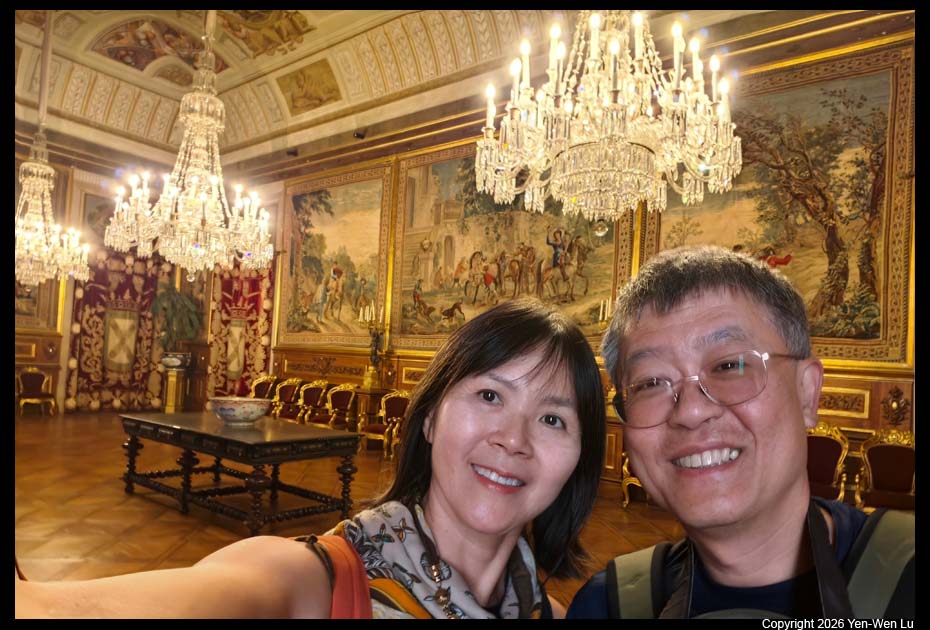
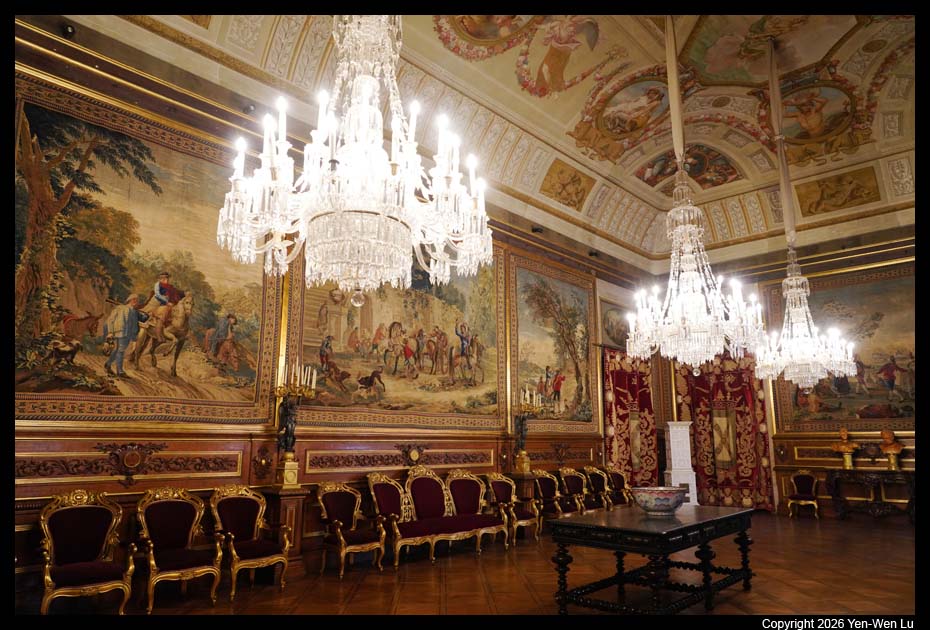
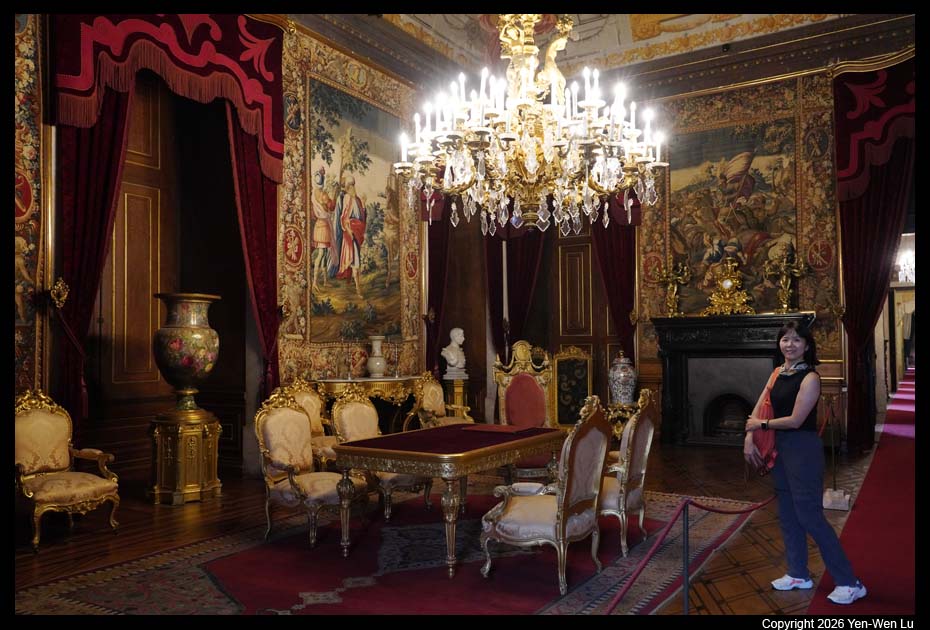
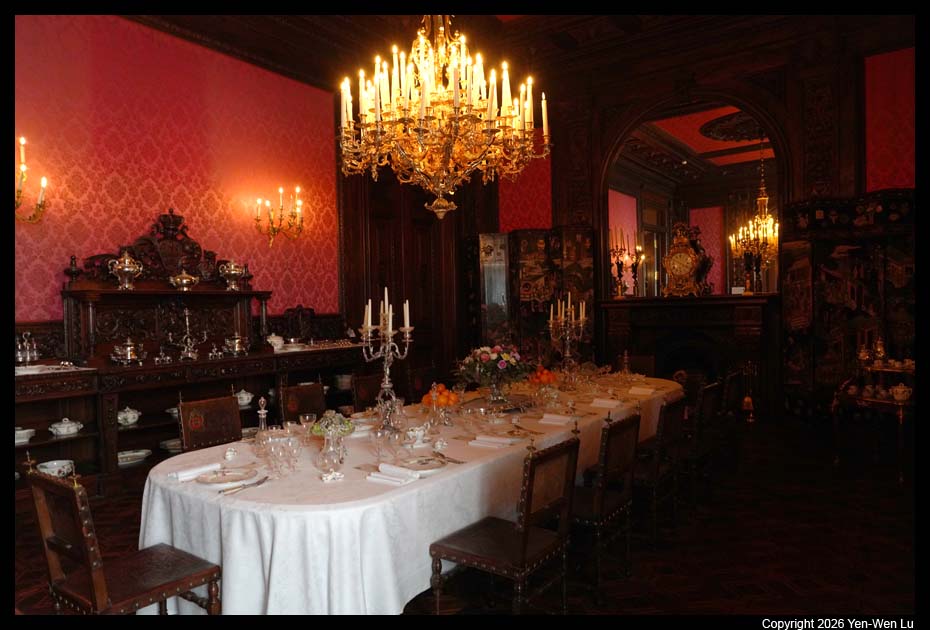
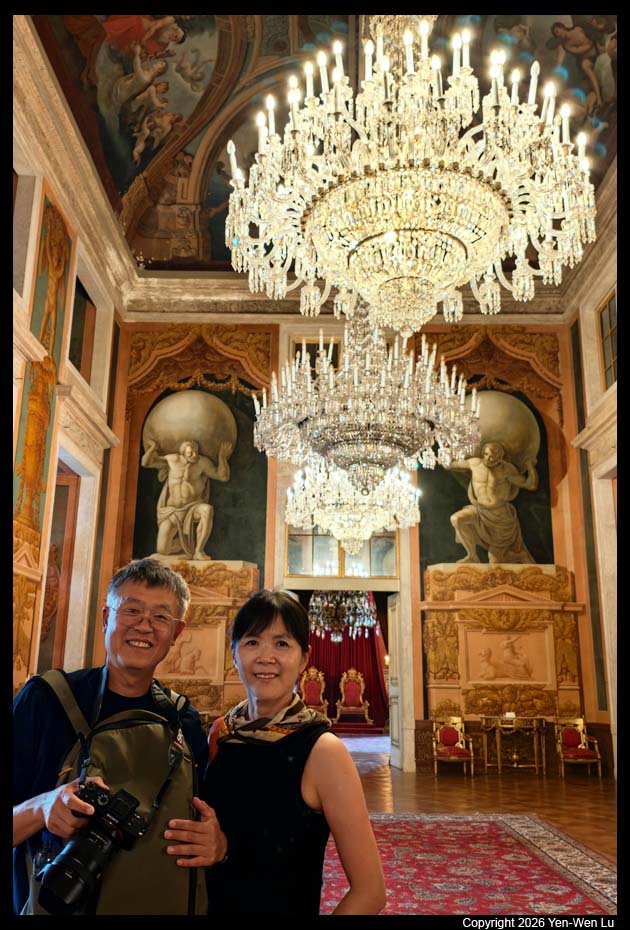
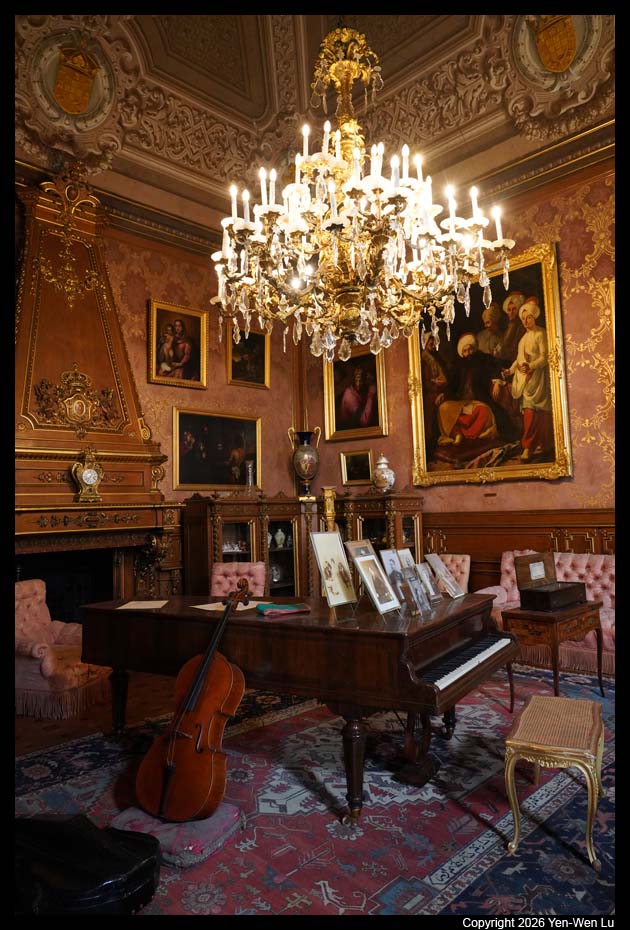
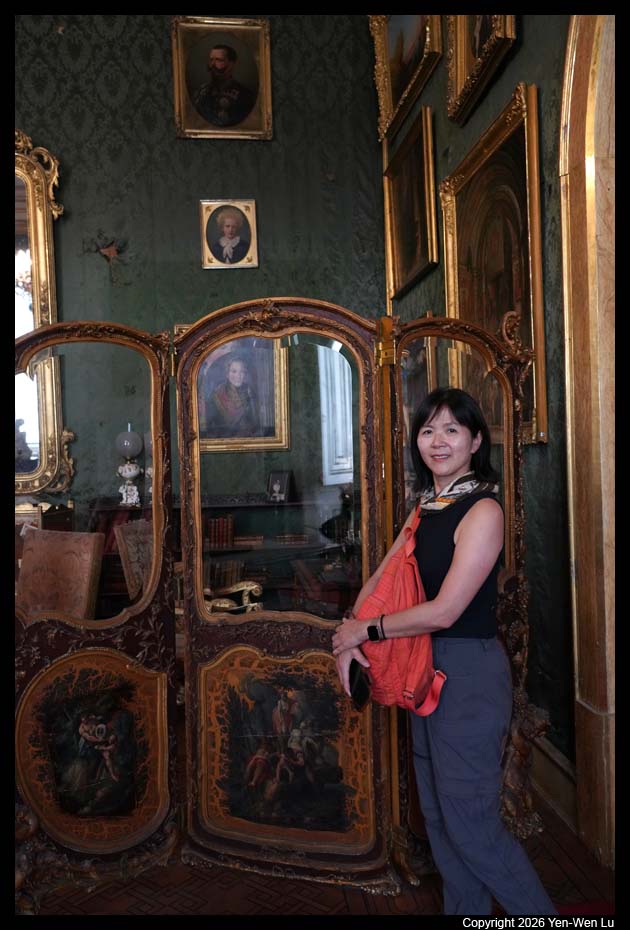
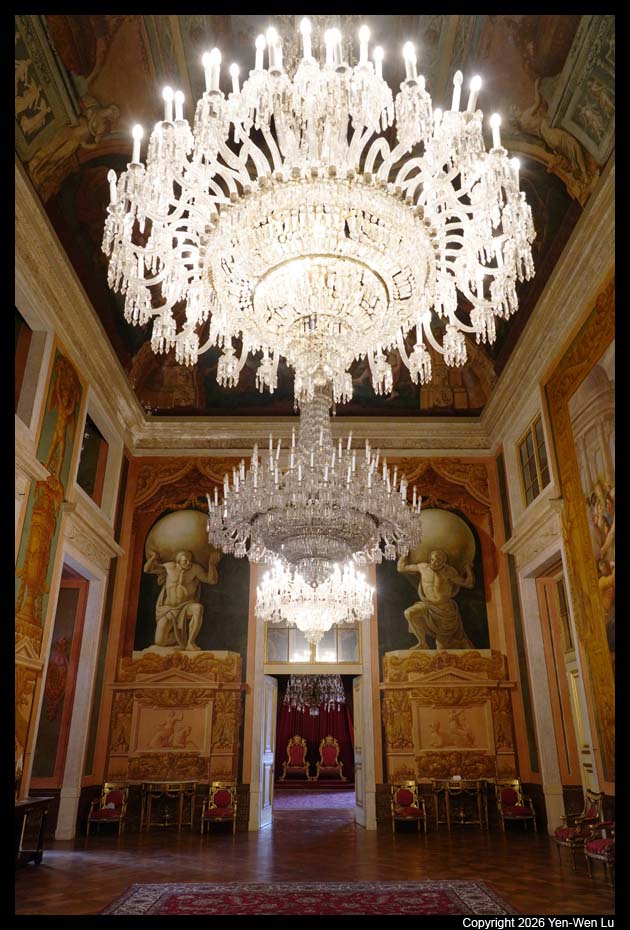
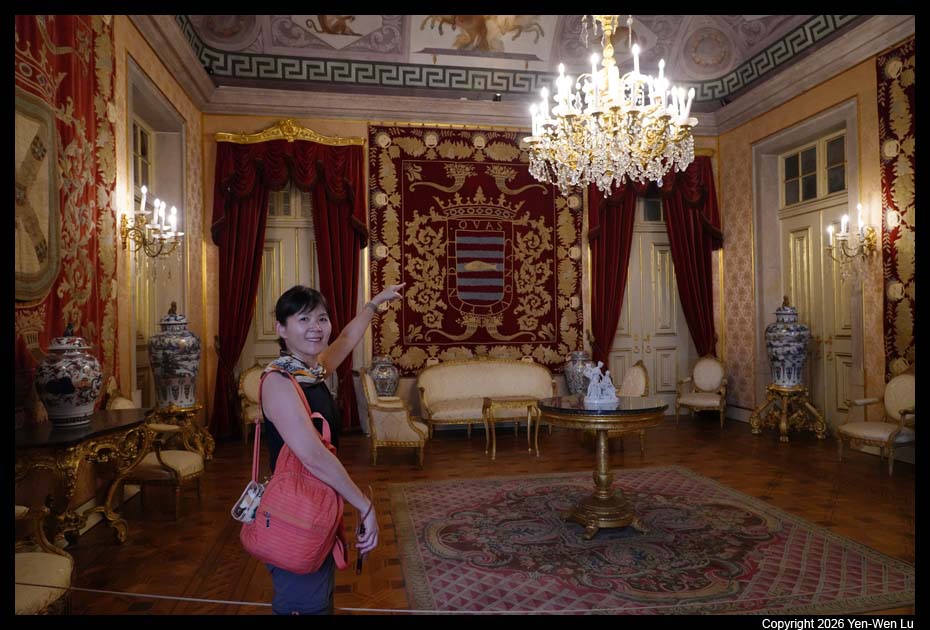
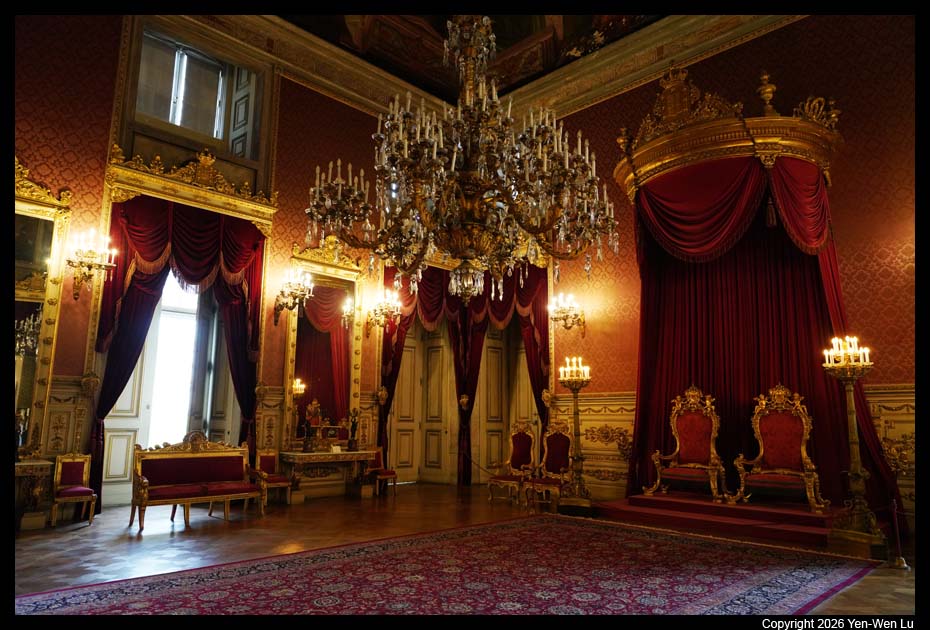
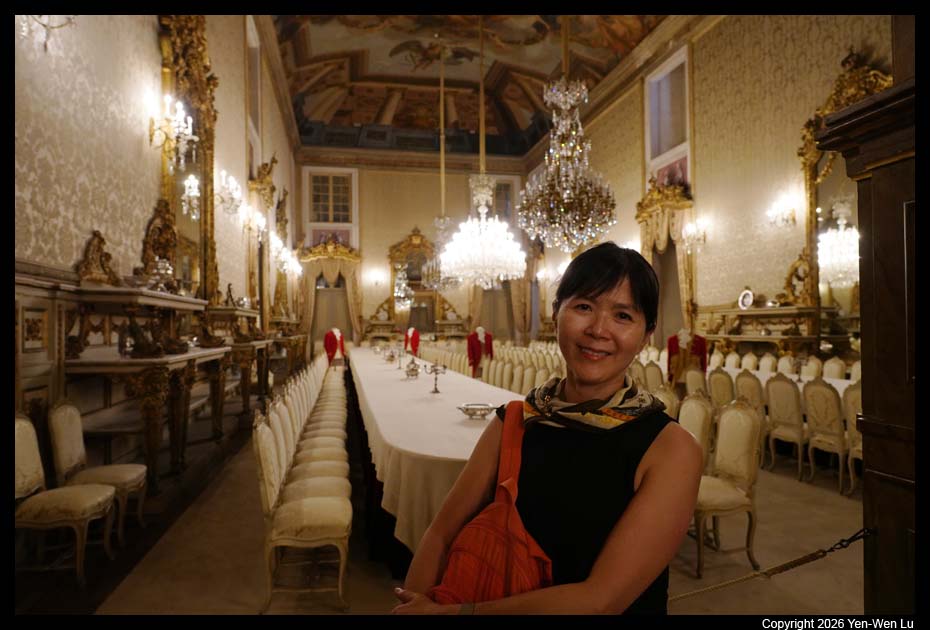
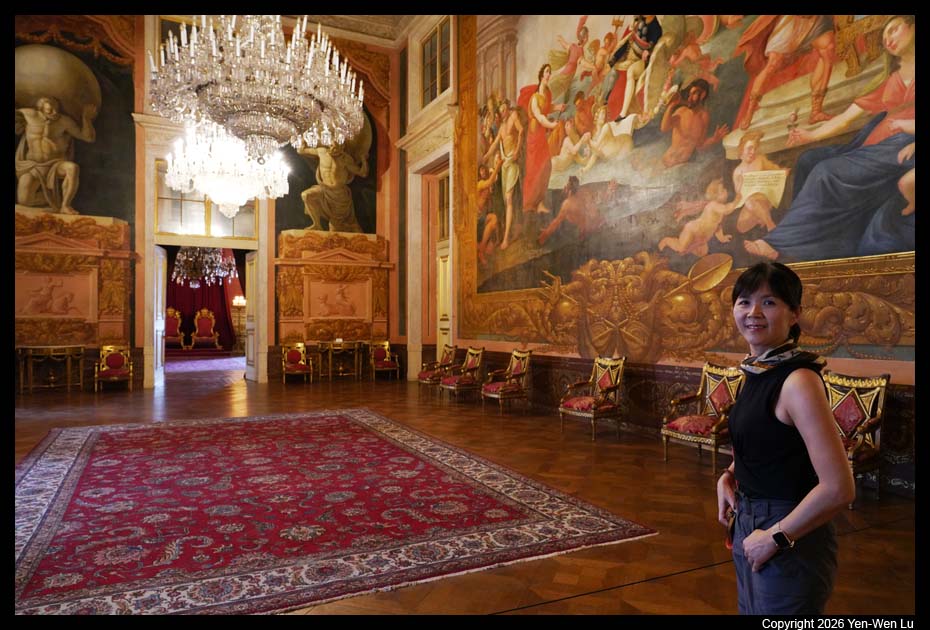
- Palácio Nacional da Ajuda (Ajuda National Palace)
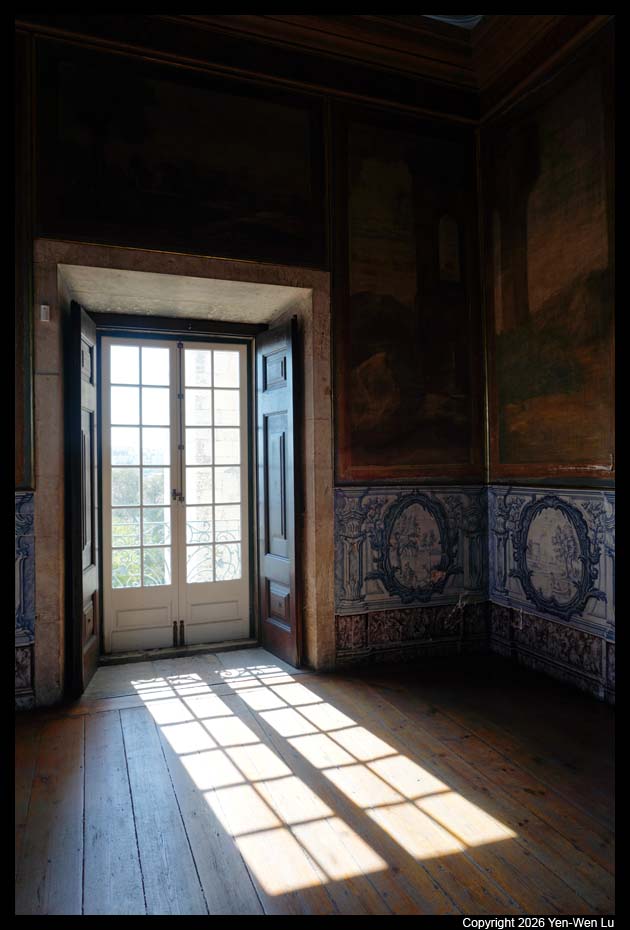
The Ajuda National
Palace is a magnificent 19th-century neoclassical monument and the only
former royal palace within Lisbon's city limits open to the public.
Following the total destruction of the riverside Paço da Ribeira palace in
the 1755 earthquake, the royal family sought refuge on the high, seismically
secure hill of Ajuda. Construction on this grand stone palace began in 1796,
but it was repeatedly delayed by French invasions, financial crises, and the
royal family's flight to Brazil. Though it was never fully finished
according to its original massive blueprint, it became the official,
permanent home of the Portuguese monarchy from 1862 until the revolution of
1910.
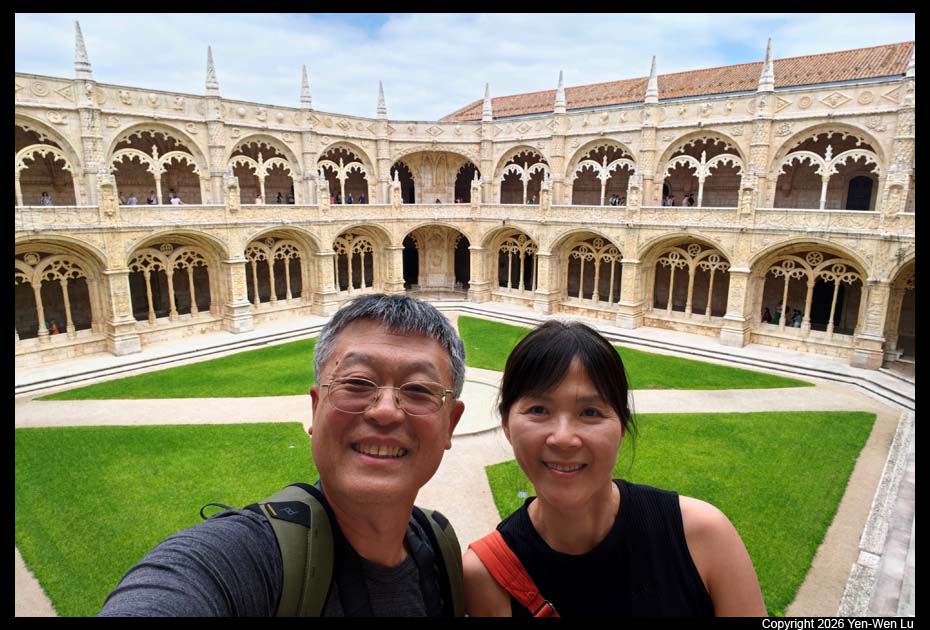
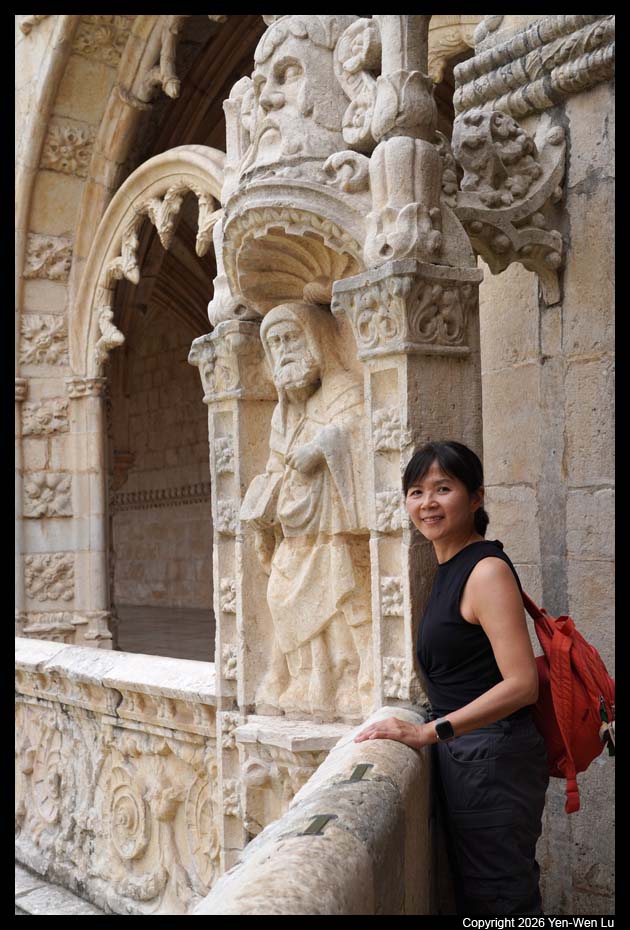
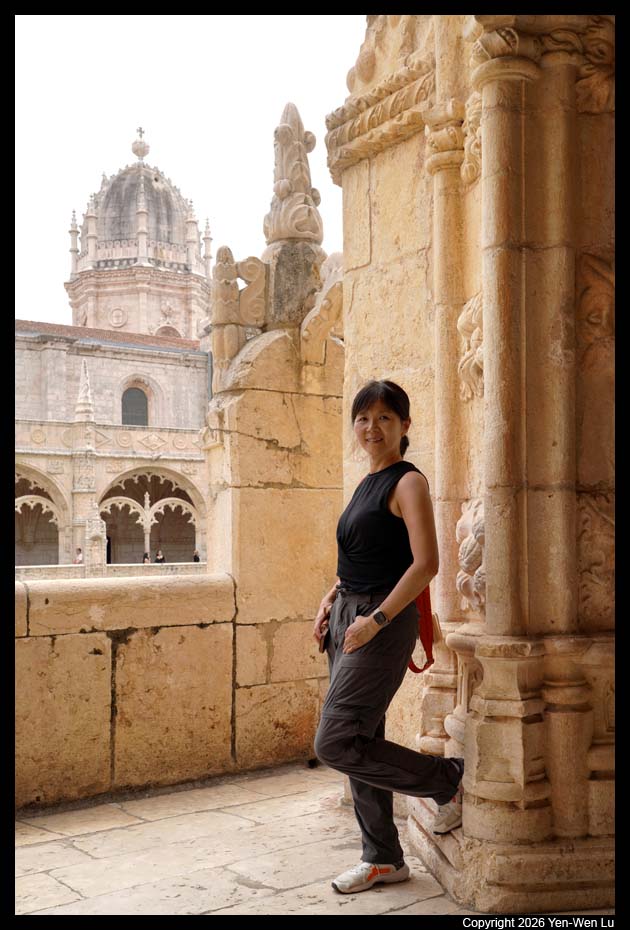
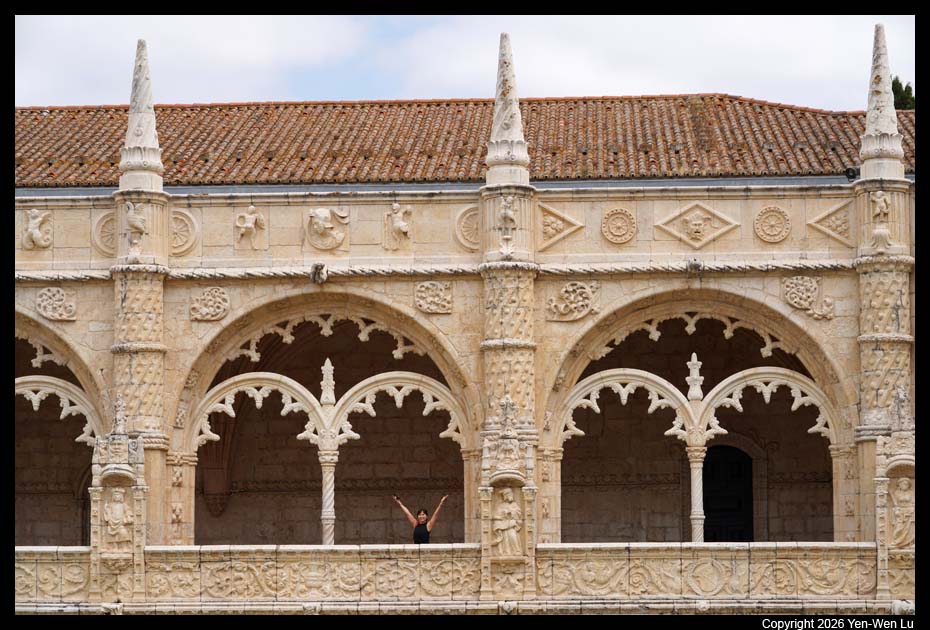
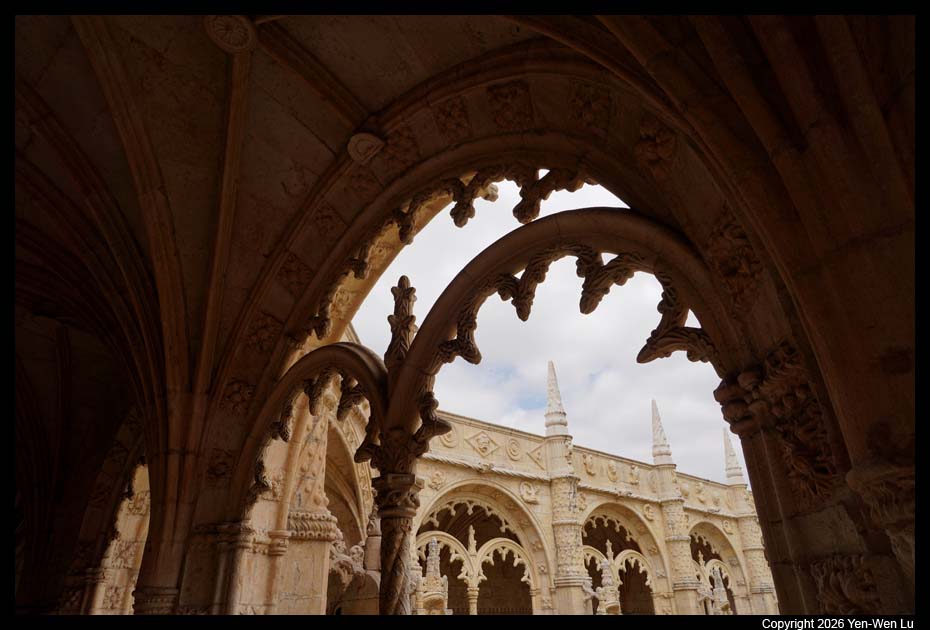
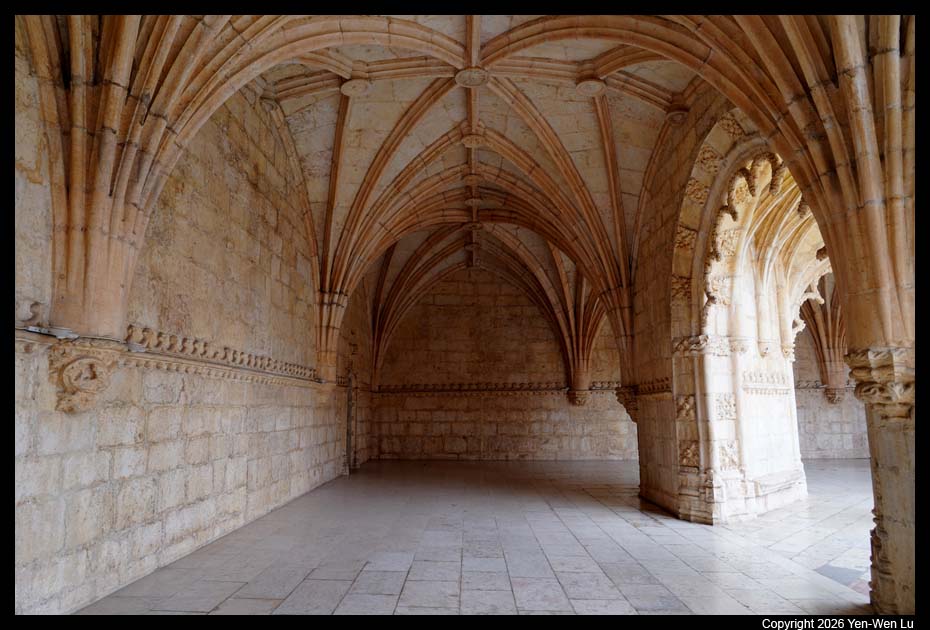
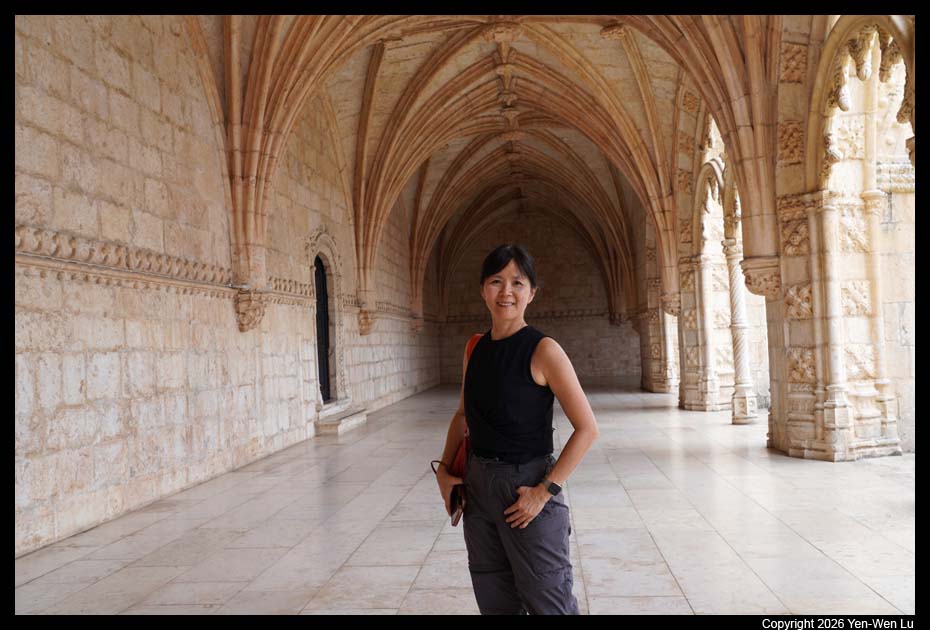
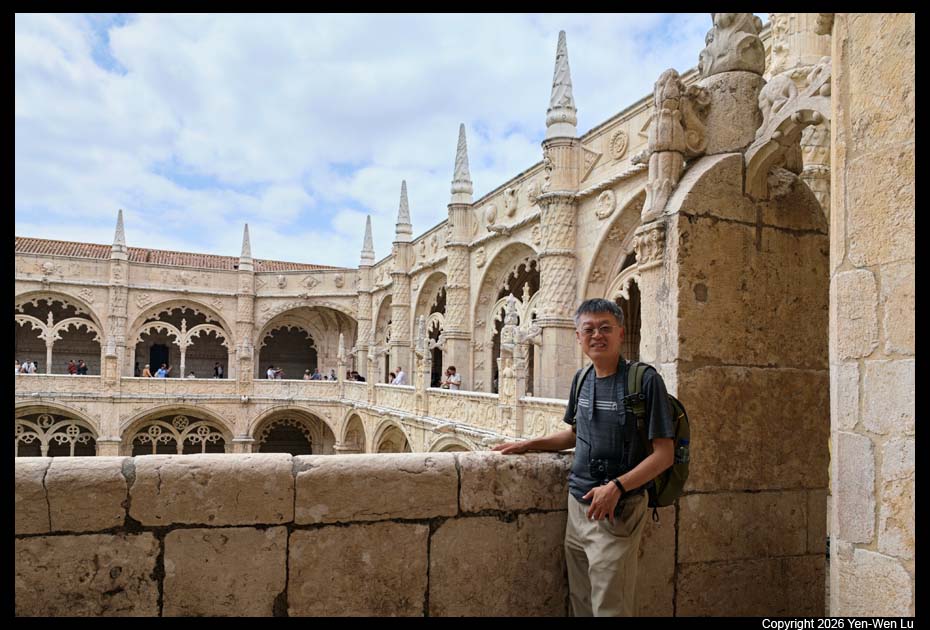
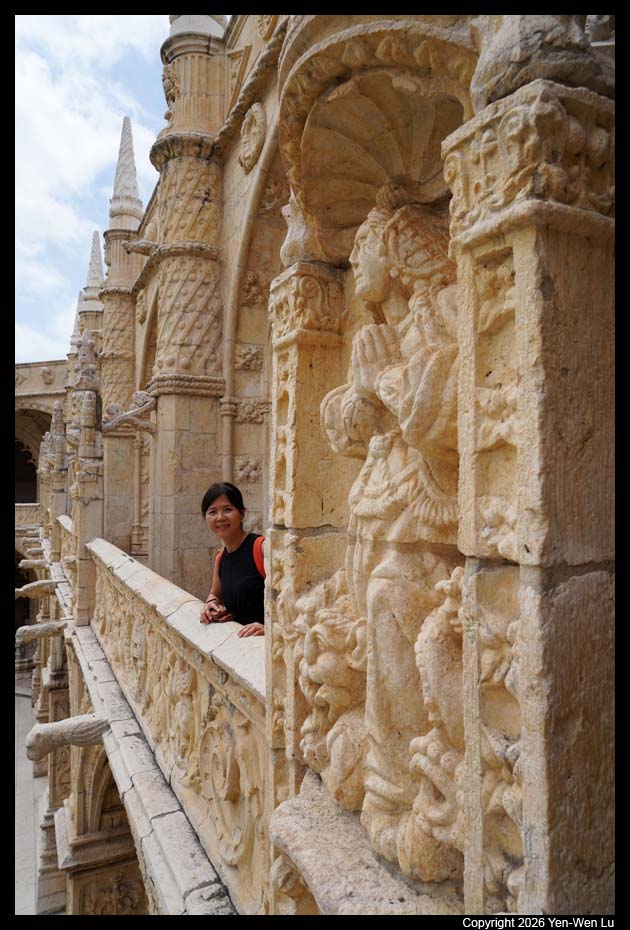
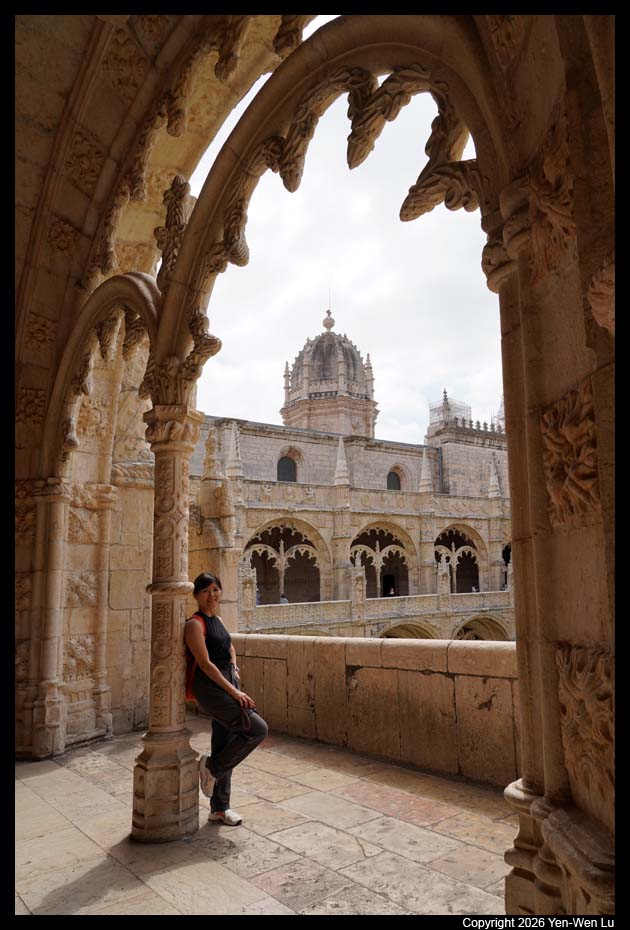
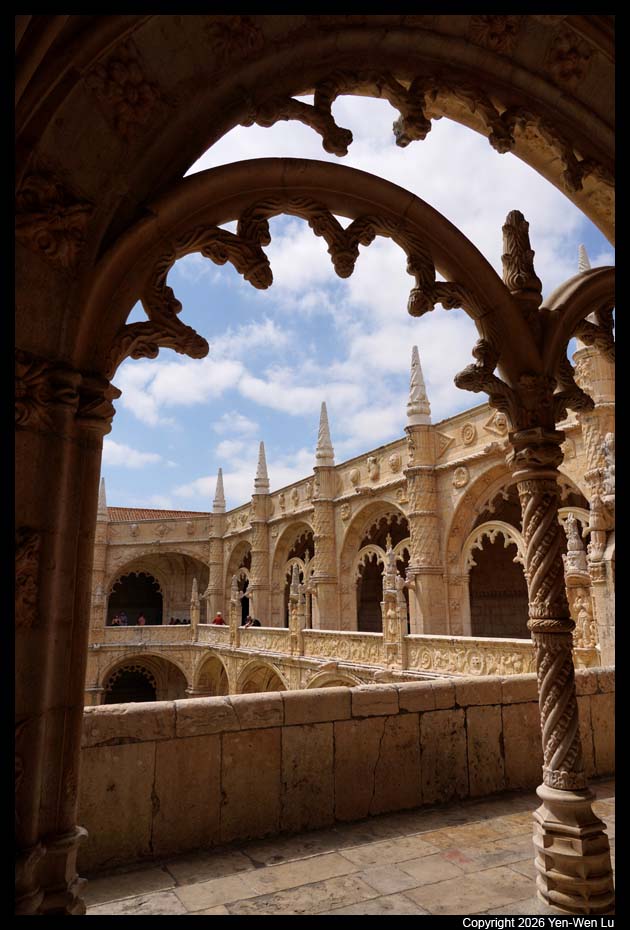
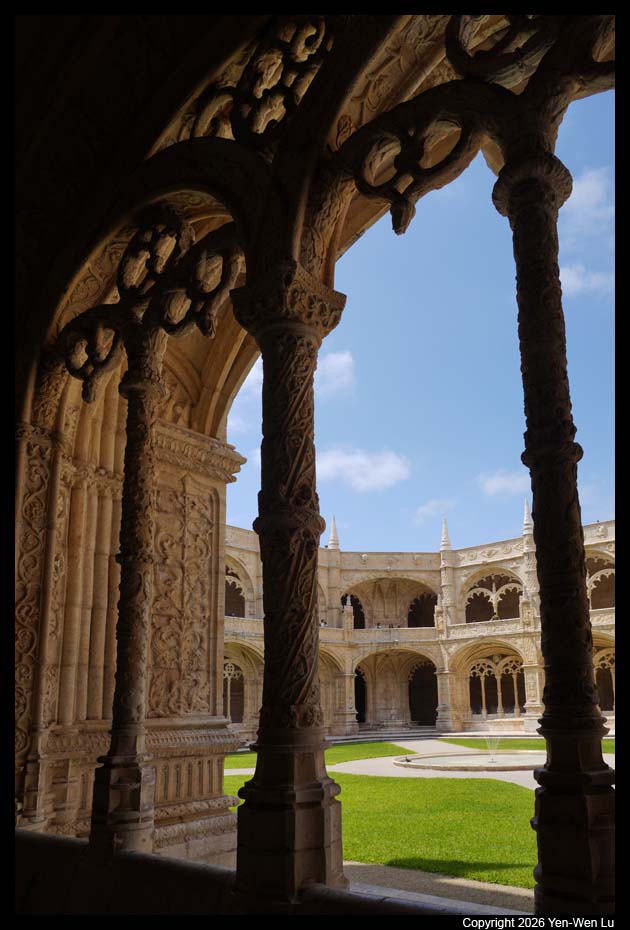
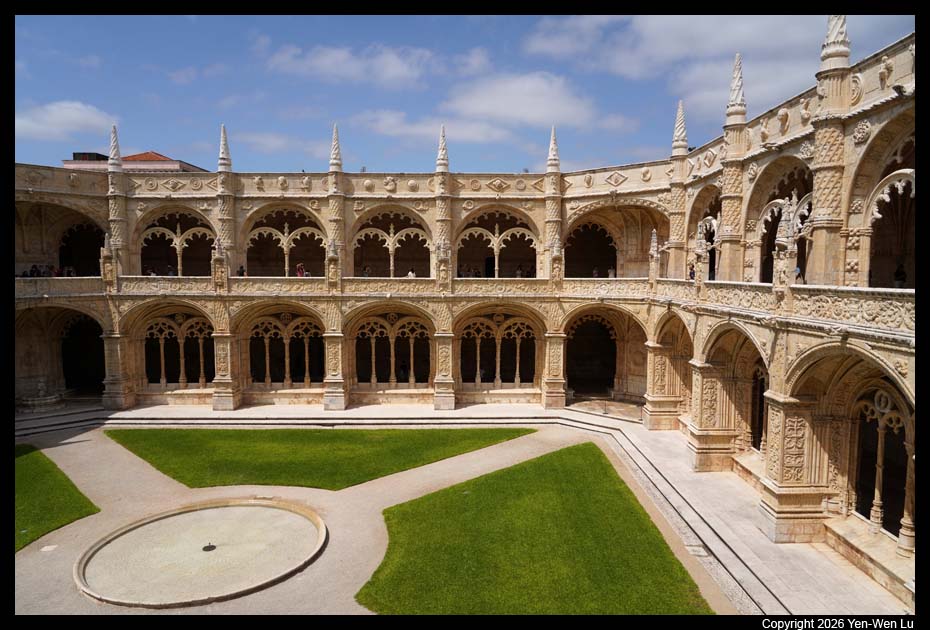
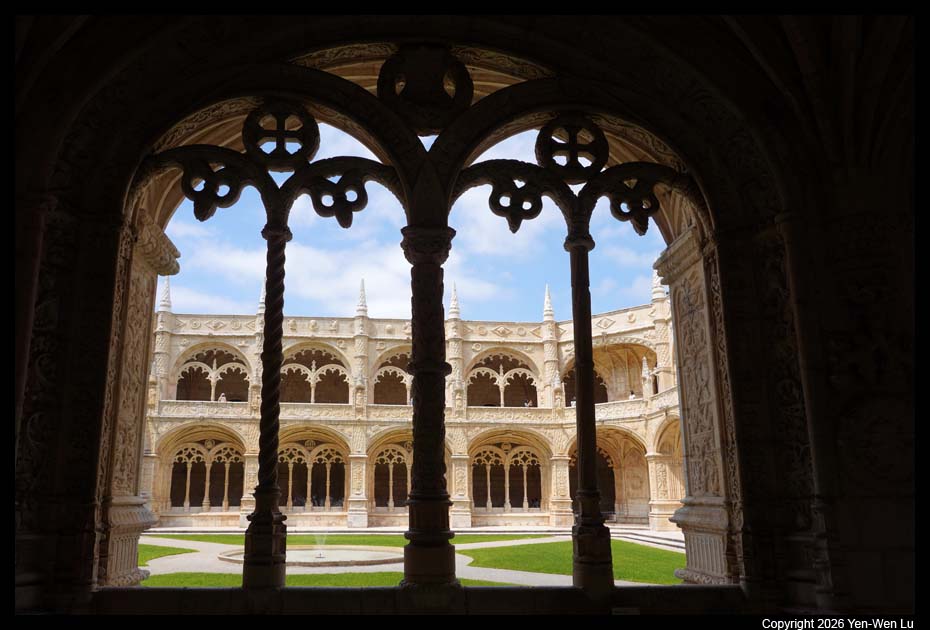
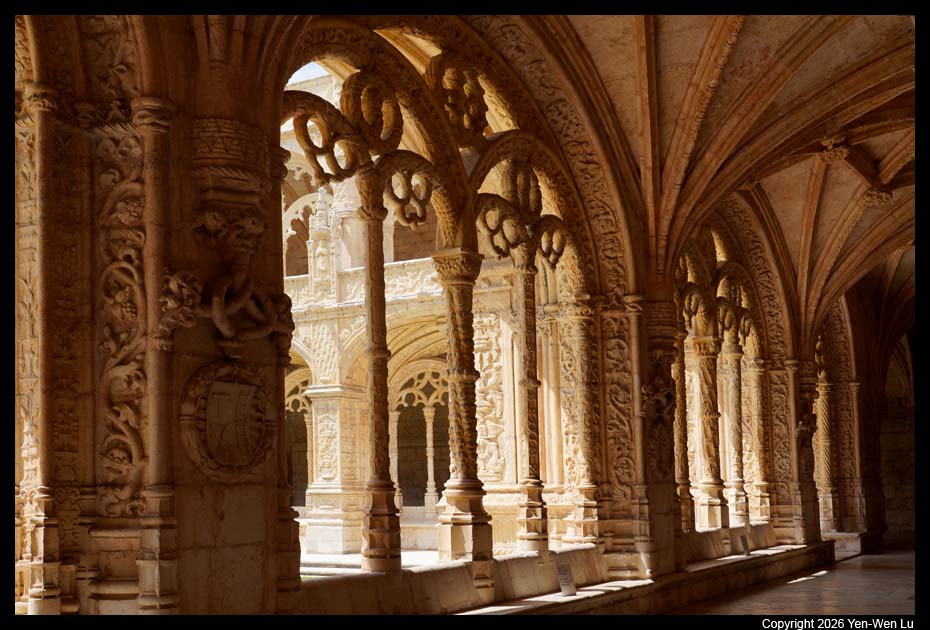
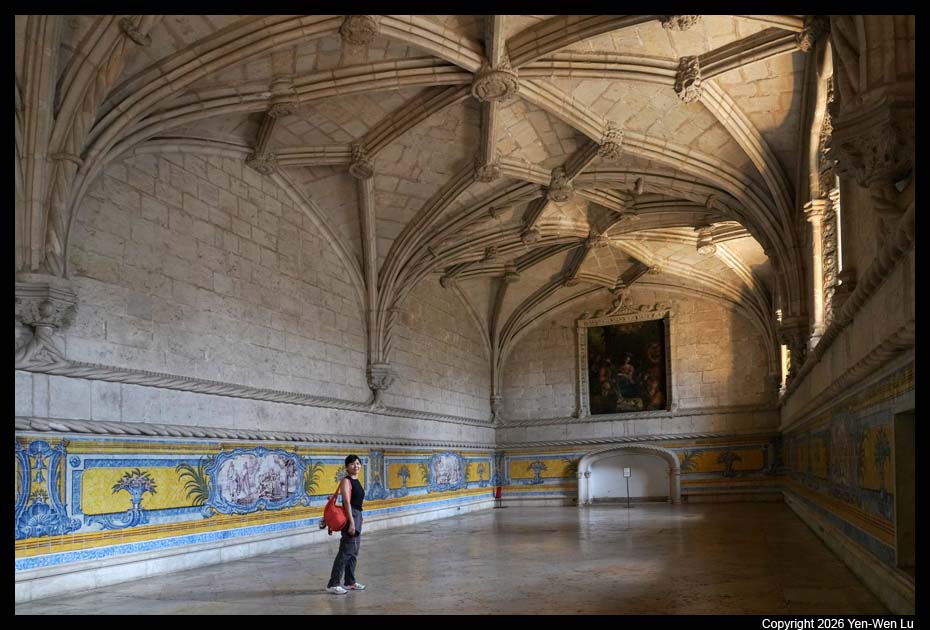
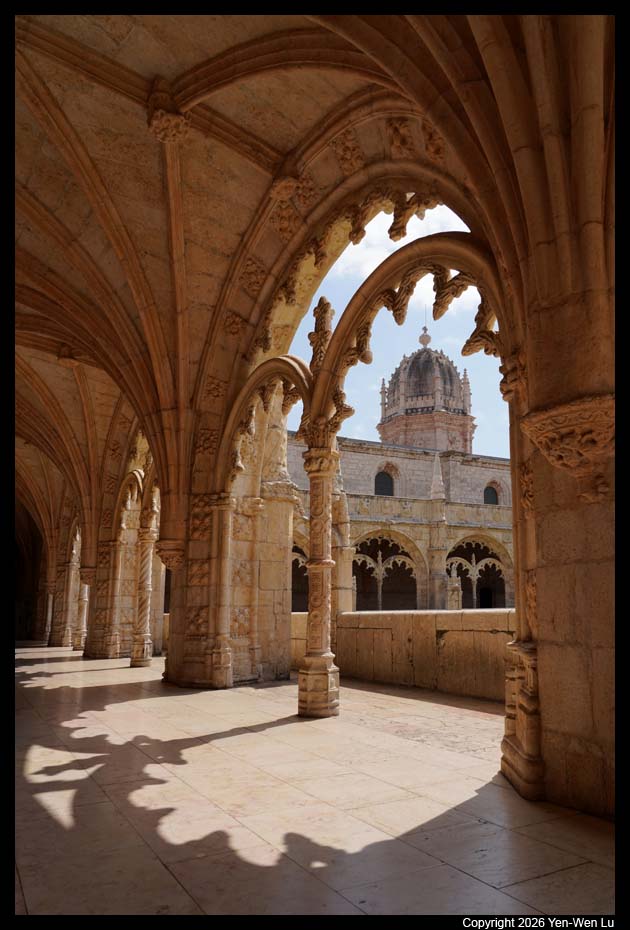
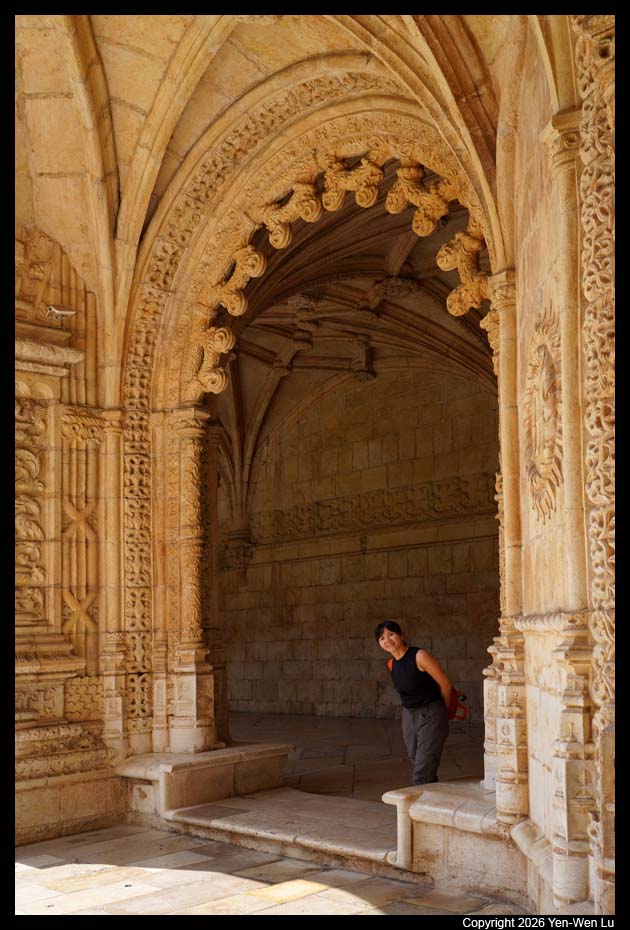
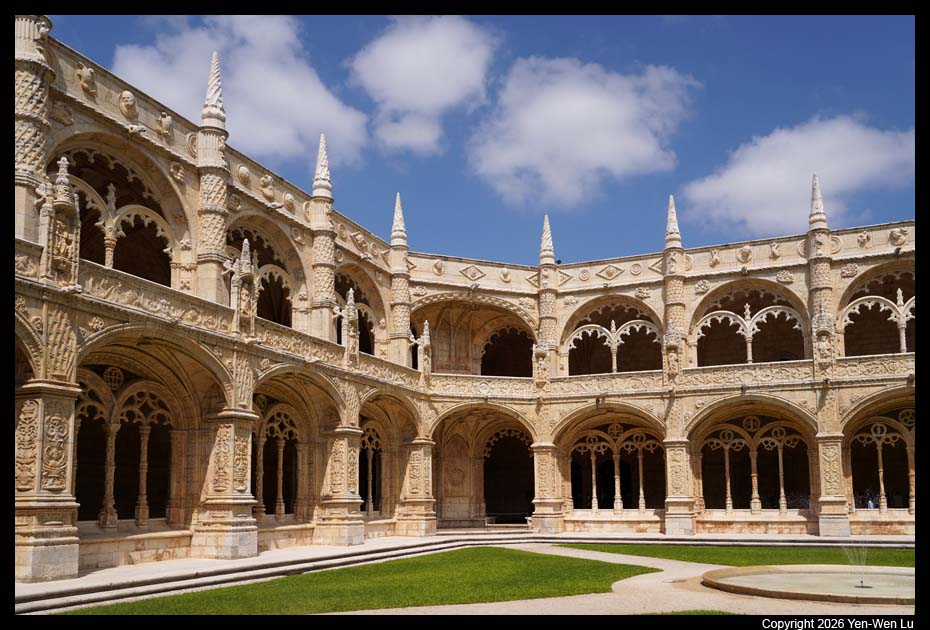
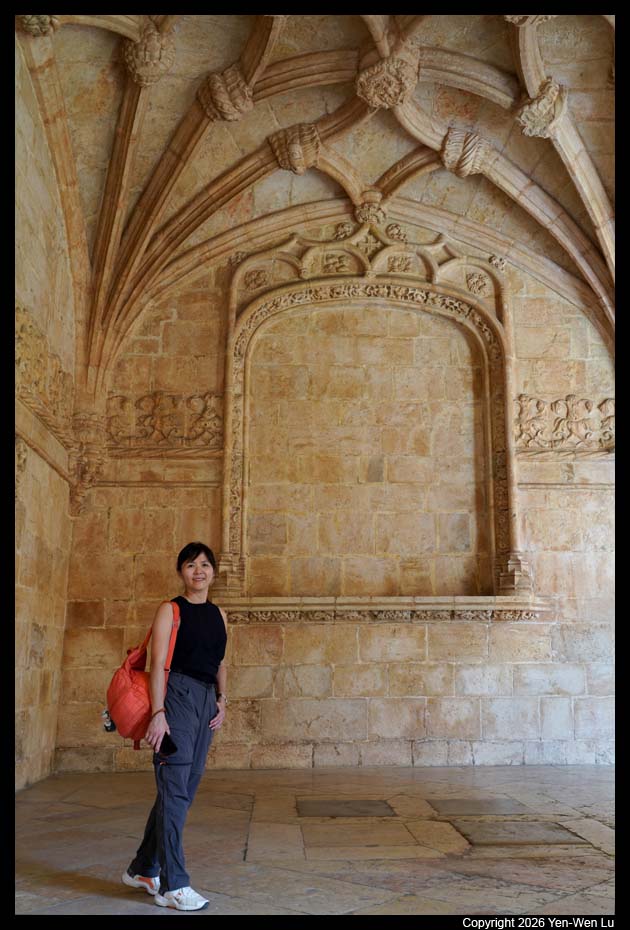
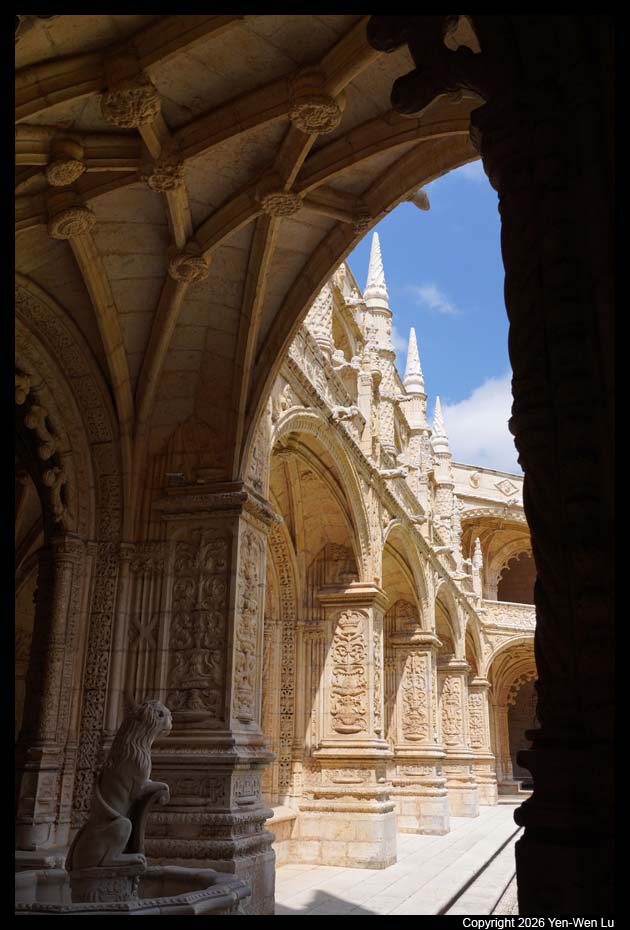
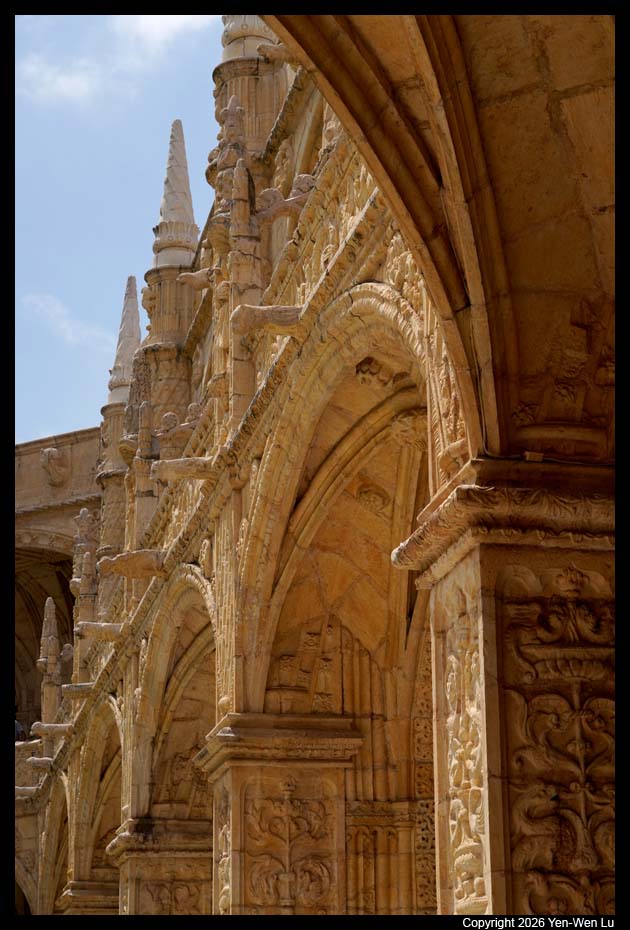
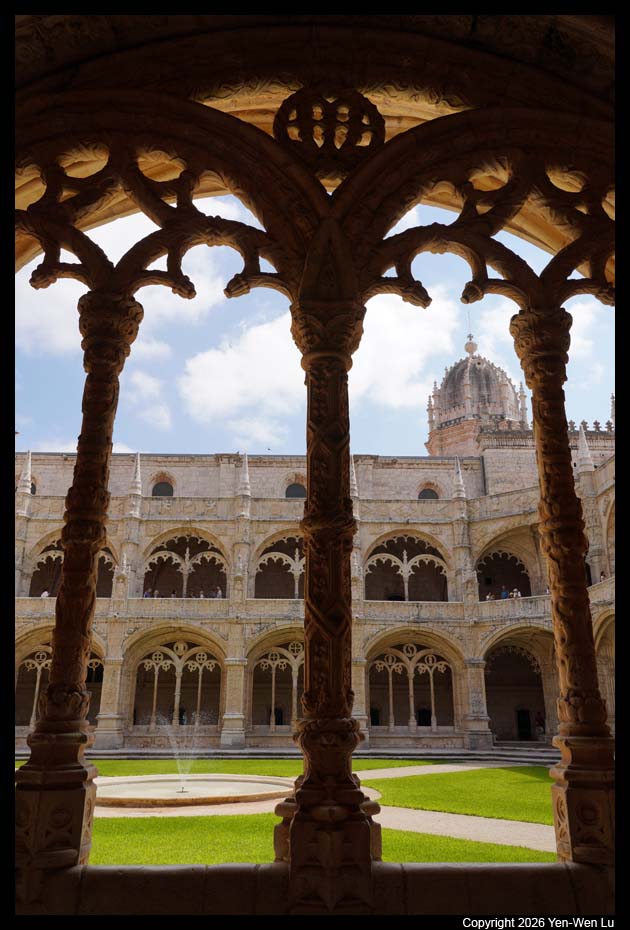
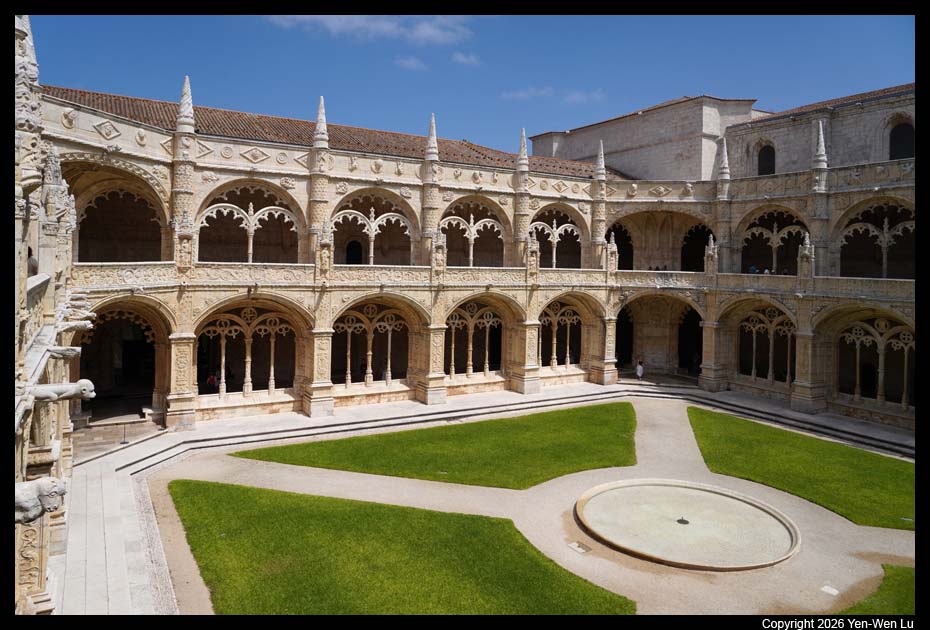
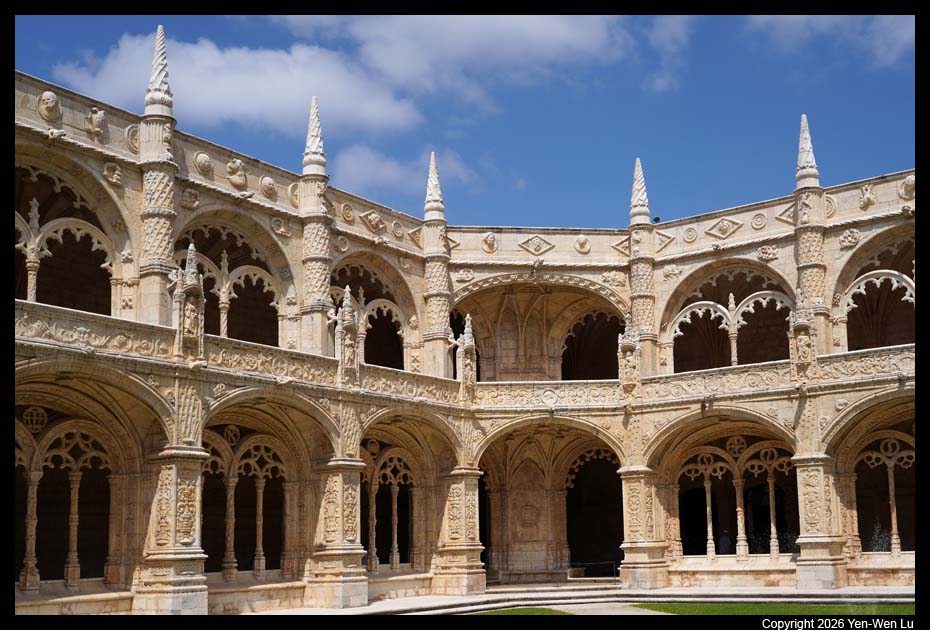
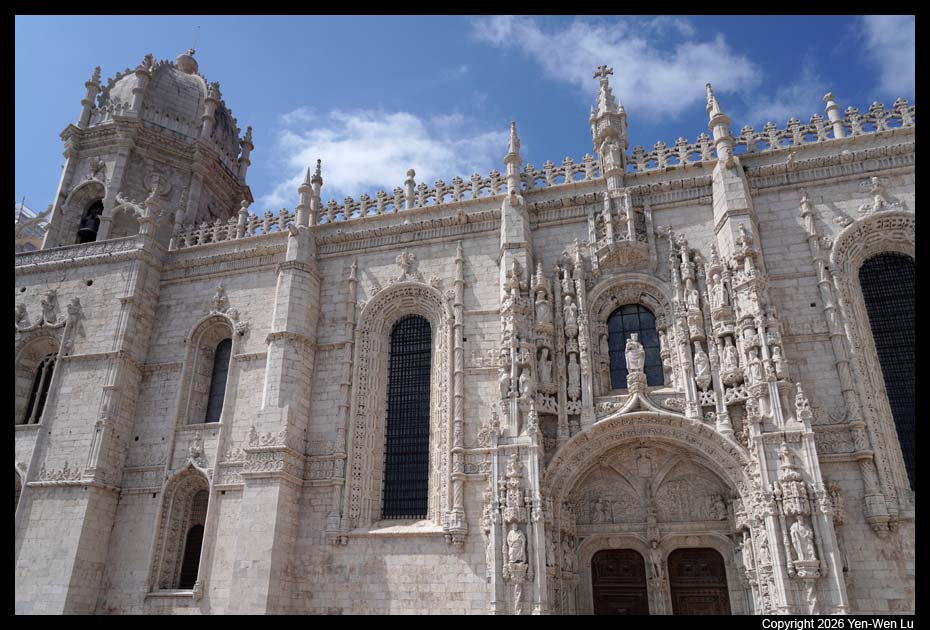
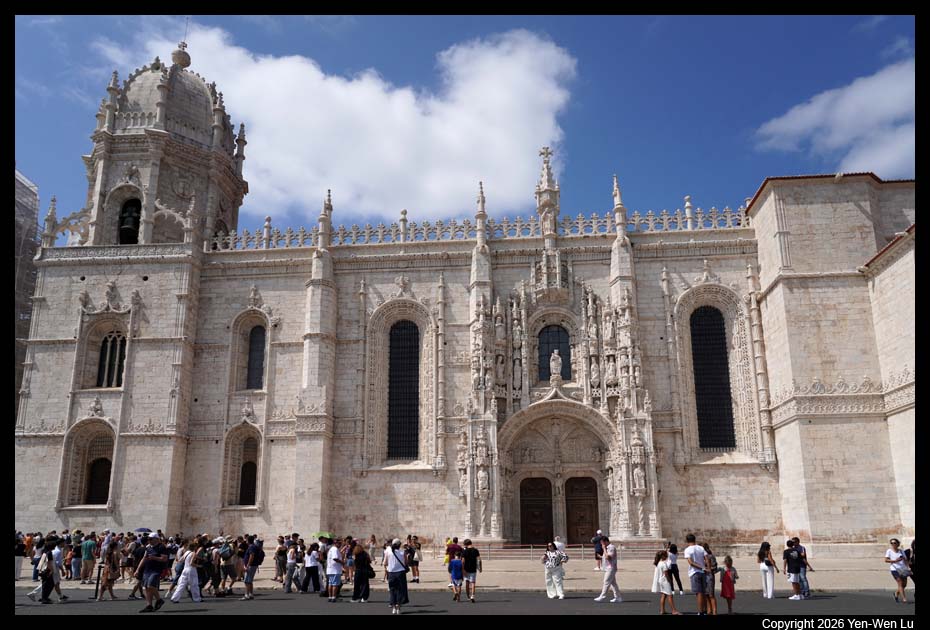
- Mosteiro dos Jerónimos (Jeronimos Monastery)
The Jerónimos Monastery is
a magnificent, sprawling 16th-century monastery in Lisbon's Belém district and
the ultimate pinnacle of Manueline architecture (Portuguese late-Gothic).
Commissioned by King Manuel I in 1501, the monastery was built to celebrate
Portugal’s booming maritime success and to give eternal thanks for Vasco da
Gama's historic voyage to India. It was funded largely by a lucrative tax on
incoming global spices, allowing architects to spend over a century decorating
its limestone walls with intricate stone carvings of twisted ropes, anchors,
sea monsters, and armillary spheres. The complex remarkably survived the
devastating 1755 earthquake and was designated a UNESCO World Heritage Site in
1983. The monastic complex preserves, in addition to the Manueline
church, a large part of the magnificent conventual buildings that contributed
to its international fame, including the 16th-century cloister, the former
monks' refectory, and the old library room.
When we got to the monastery by
2:30PM, there were 2 lines forming in front of the monastery: the longer one
for the free entrance to the church, and the shorter one for the timed ticket
entrance to the cloister (for us). It's a little bit confusing if you
did not find out which line is for what and you may waste some time in the
wrong line.
Going Home ...
We went back to the hotel to pick up our luggage and we were ready to
head to the Lisbon airport for our final night as we will have an early
flight on the next morning (6:15AM on 8/16). This was a quick "stop"
in Lisbon to taste the Portugal's capital. We will definitely come
back to see more of the country in the future. This also concluded our
3-week long European tour this year, from northern Europe
Norway, to Mediterranean
Mallorca Spain (with special
solar eclipse), to this charming city Lisbon.
[Back to Photo Page]